
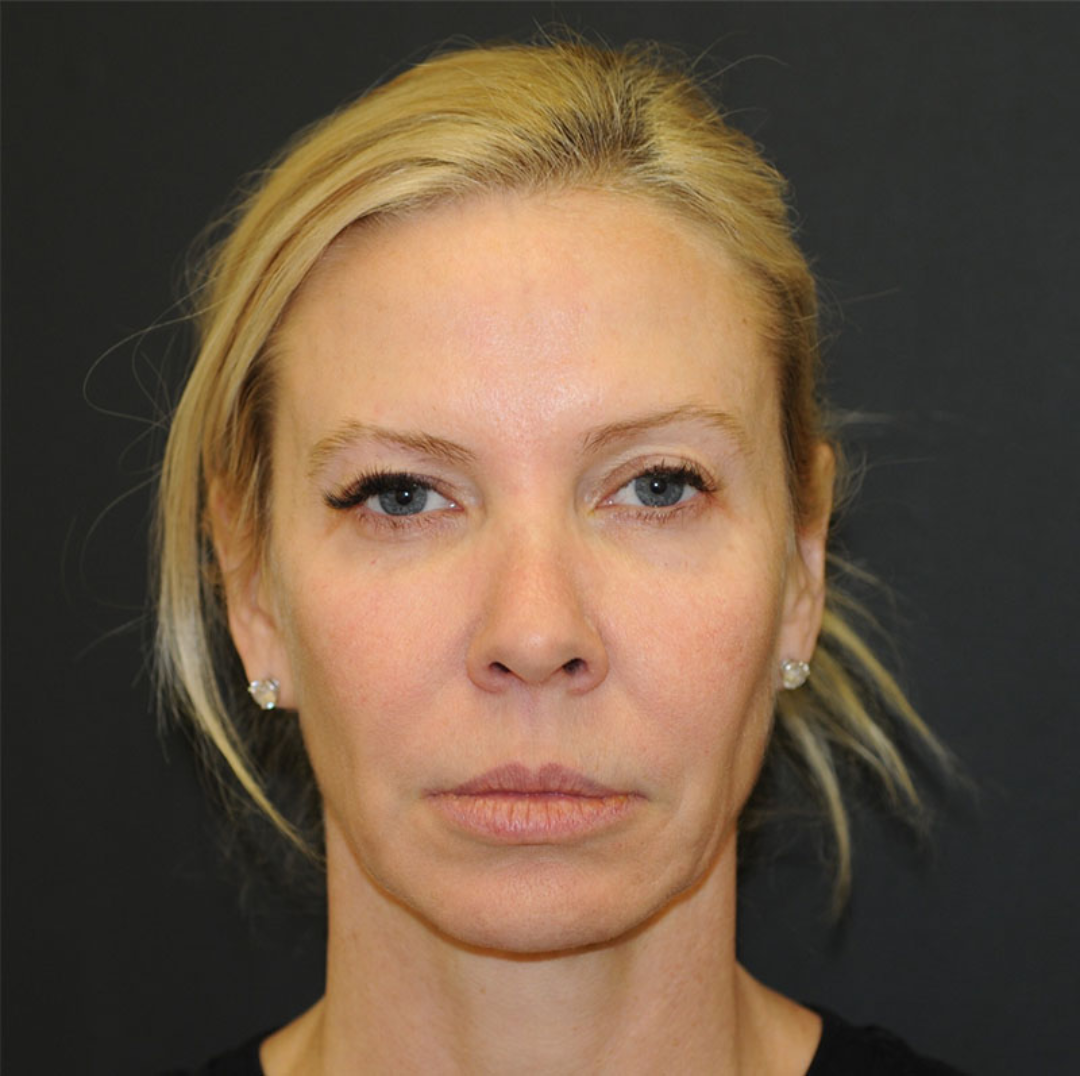
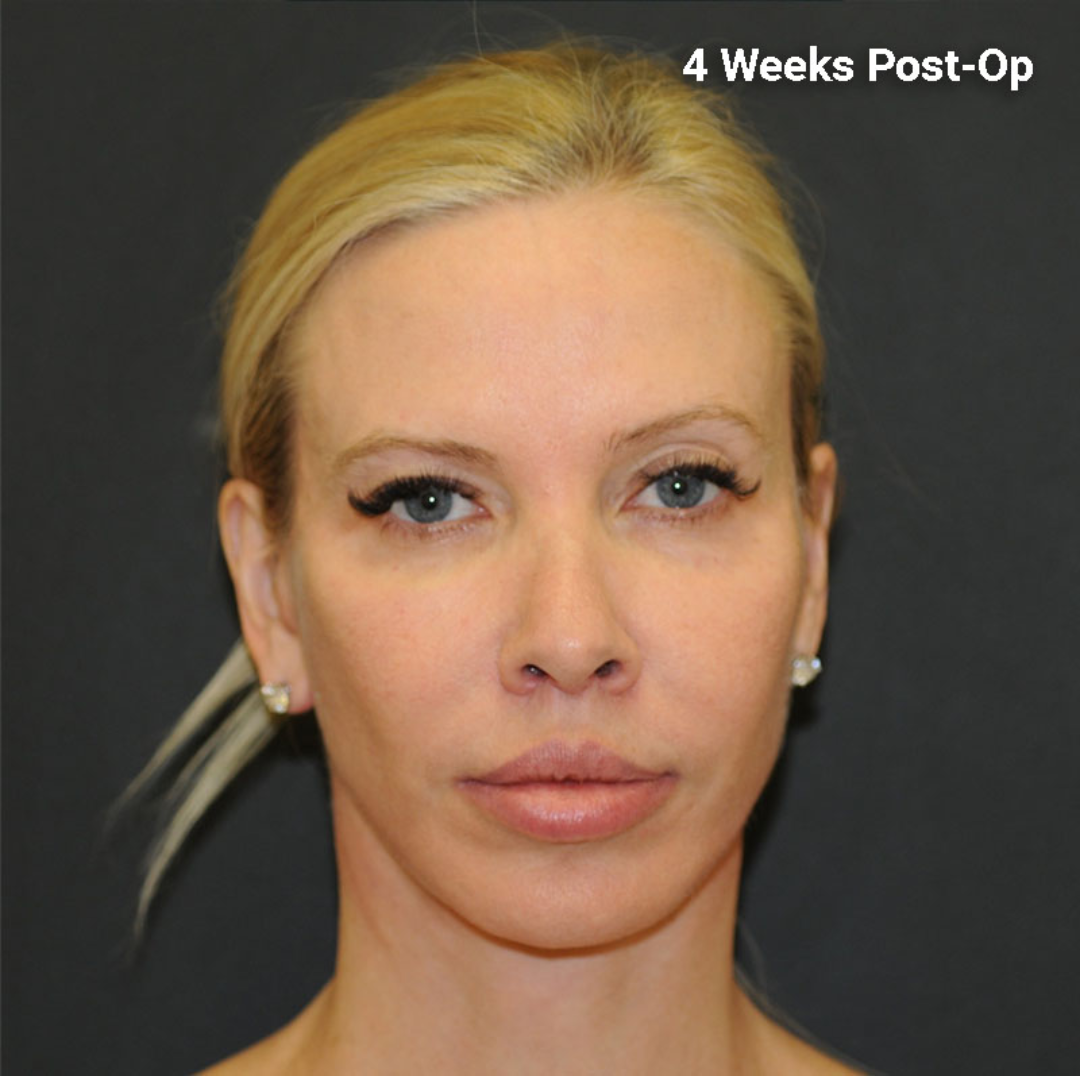
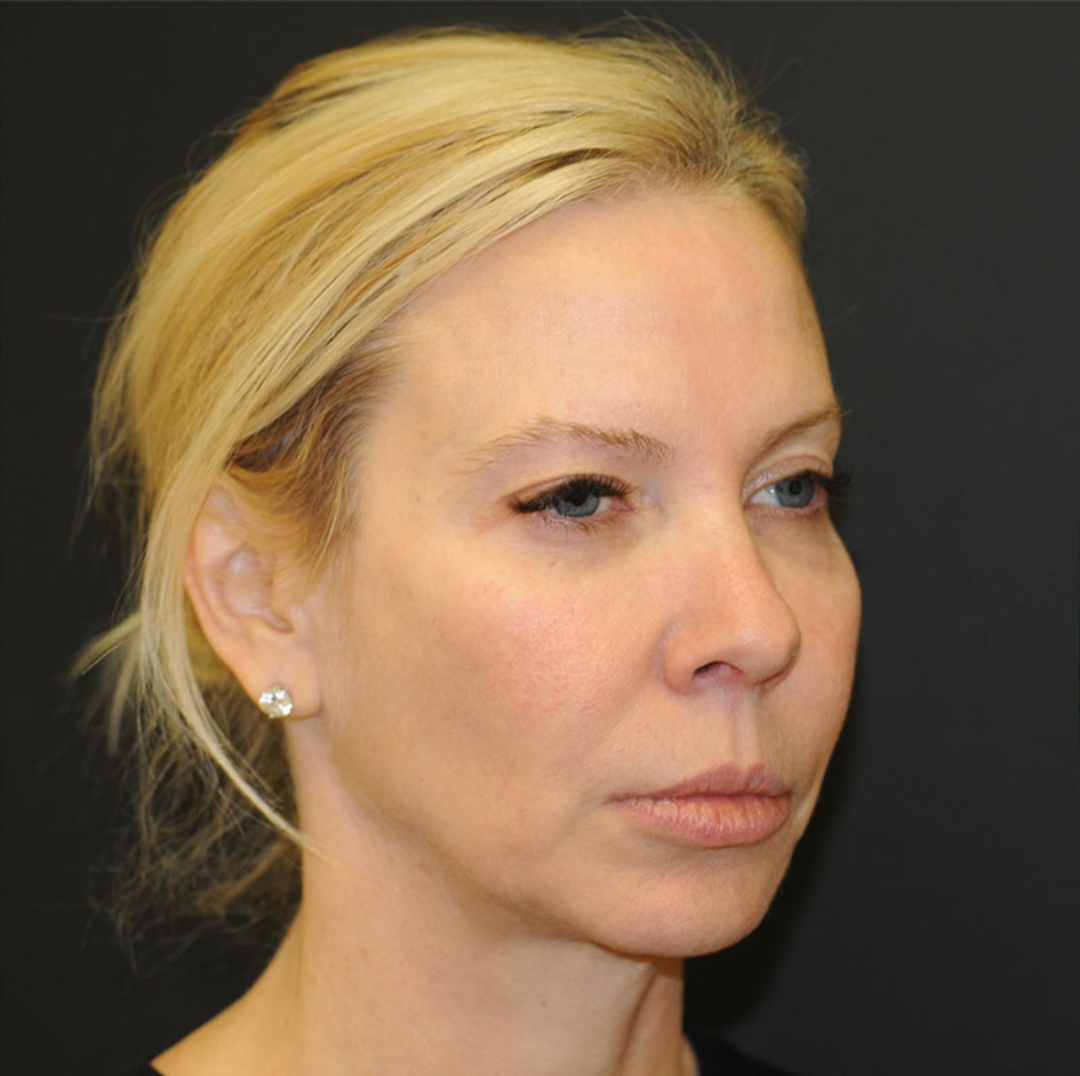
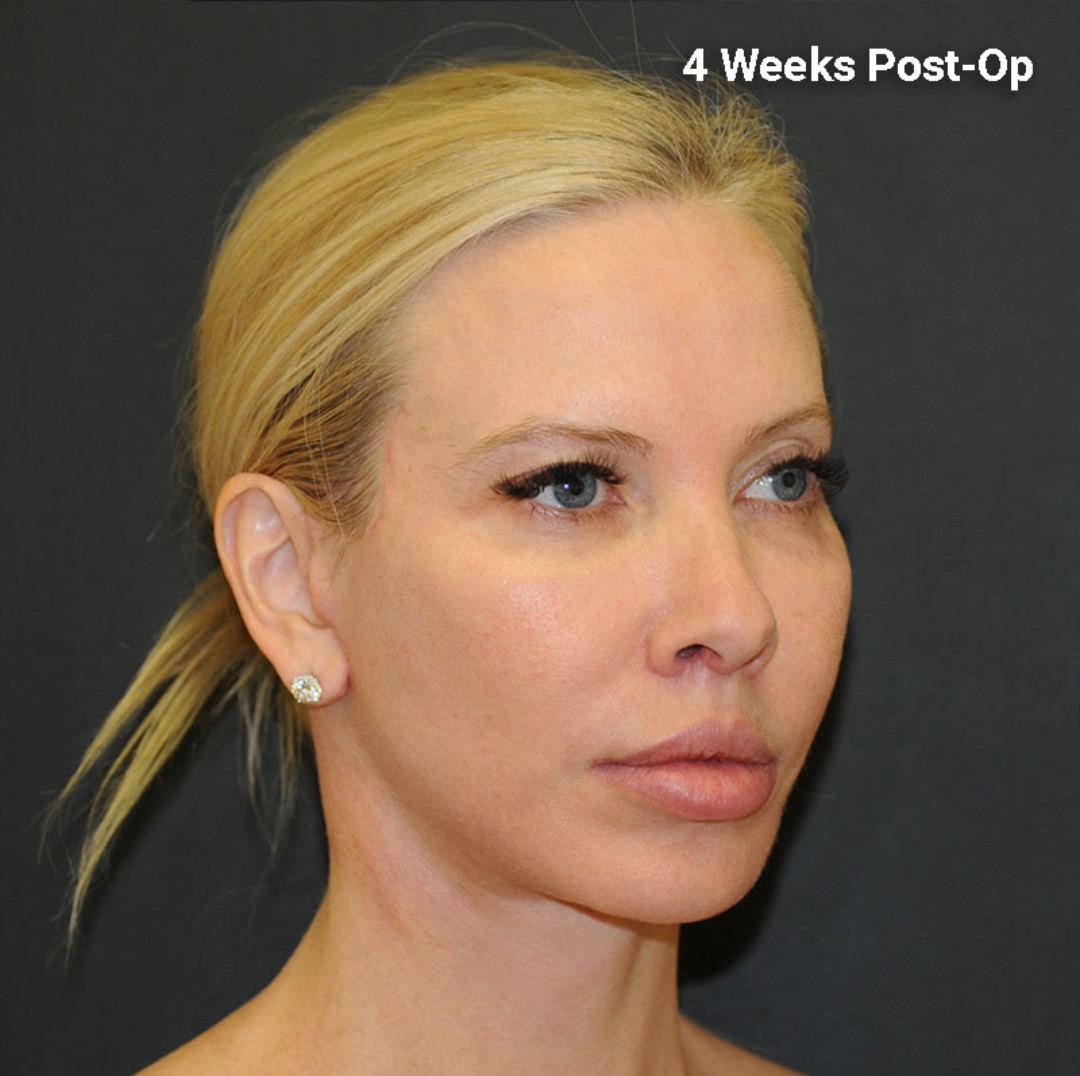

Over the past decade, anti-obesity medications and GLP-1 receptor agonists such as semaglutide (Ozempic®, Wegovy™) and tirzepatide (Mounjaro®, Zepbound®) have transformed the landscape of obesity and diabetes treatment. Backed by rigorous clinical trials and endorsed by major health organizations, these medications have proven remarkably effective for sustainable weight loss and improving metabolic conditions.
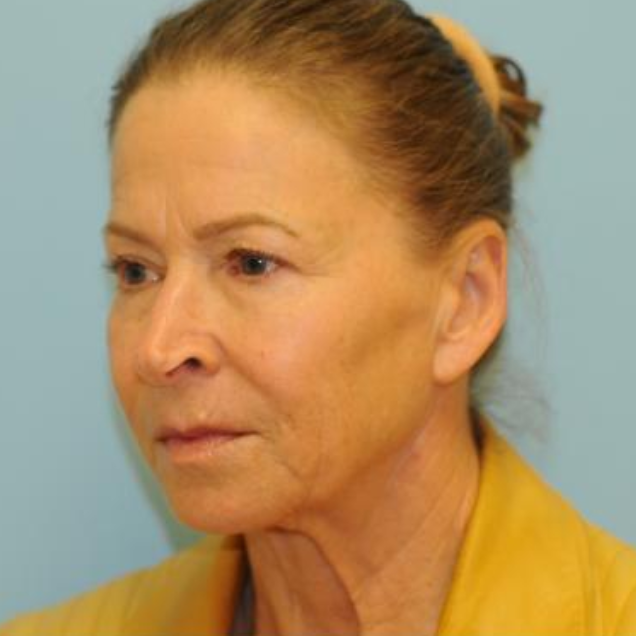
But alongside their medical benefits, a growing number of patients are noticing unexpected cosmetic side effects — including changes in facial fat distribution, skin elasticity, and overall appearance. Popularly known as “Ozempic face,” these effects highlight the intersection of metabolic medicine and aesthetic health.
In this article, we’ll explore the science behind how GLP-1 medications affect the face, what research says about their impact on skin and soft tissue, and the available cosmetic treatments for patients who want to restore a natural, youthful look.
Contents
- 1 What Are Anti-Obesity Medications (GLP-1s)—and Why Do They Change How the Face Looks
- 2 Why the Face Changes with Rapid, Significant Weight Loss
- 3 “Ozempic Face”: Common Cosmetic Changes Patients Notice
- 4 Who Is More Likely to Experience Noticeable Facial Changes?
- 5 Can You Prevent (or Minimize) “Ozempic Face”?
- 6 Treatment Options: Rebuilding Volume, Tightening Skin, Refining Contours
- 7 The Bottom Line
What Are Anti-Obesity Medications (GLP-1s)—and Why Do They Change How the Face Looks
Mechanism in brief. GLP-1 RAs reduce appetite, enhance satiety, and delay gastric emptying via GLP-1 receptor signaling, leading to lower caloric intake and weight loss. Dual-agonist tirzepatide activates GLP-1 and GIP receptors, amplifying effects on weight. Reference: PMC and Nature
Weight-loss magnitude.
- Semaglutide 2.4 mg: ~15% mean weight loss at 68 weeks in STEP-1; ~1 in 3 patients lose ≥20% of baseline weight. (NEJM 2021) New England Journal of Medicine
- Tirzepatide (SURMOUNT-1): up to ~20% mean loss at 72 weeks in people with obesity without diabetes. (NEJM 2022; updated head-to-head data 2025). References: New England Journal of Medicine+ and PubMed
Cardiovascular upside. In SELECT (2023), semaglutide reduced major adverse cardiovascular events in people with overweight/obesity and established CVD. (NEJM 2023)Reference PubMed
Why the Face Changes with Rapid, Significant Weight Loss
Rapid, substantial weight loss often leads to a reduction in subcutaneous facial fat, which typically helps maintain soft, youthful contours. At the same time, the skin’s collagen and elastin fibers may fail to rebound at the same pace, resulting in hollowing, laxity, and more visible bony landmarks—creating an appearance that can mimic or accelerate facial aging.
Research Highlights:
- A histological analysis found that patients with massive weight loss exhibited significantly thinner and less dense collagen fibers, along with disruption of the elastic fiber network—leading to weaker, less resilient skin. (PMC study)
- A comparative review across massive weight loss patients (via bariatric surgery or non-surgical methods) confirmed devolumization of facial fat and increased skin laxity, especially in the mid-cheek area and central neck. Patients appeared visibly older following weight loss. (PMC scoping review)
- Anatomical research into facial fat compartments underscores how aging and fat loss in these discrete tissue zones contribute to the hollowed appearance as supportive soft tissue disappears. (PMC on fat compartments)
Taken together, these studies highlight that rapid fat loss not only removes volume but also places the skin’s structural integrity at risk—resulting in more pronounced signs of aging.
“Ozempic Face”: Common Cosmetic Changes Patients Notice
- Wrinkles and fine lines – Loss of soft-tissue support plus reduced collagen/elastin make creases more apparent around the eyes, mouth, and forehead. Evidence from weight-loss cohorts shows structural skin changes that align with increased laxity.
- Reference: PMC and a study published in PubMed
- Sunken eyes – Periorbital fat pads can diminish, creating a hollowed, fatigued look. Facial-fat-compartment literature explains how selective deflation alters contour. Lippincott Journals
- Thinner lips – Global facial volume loss can reduce lip fullness and perioral support. PubMed
- Loose, sagging skin (cheeks, jawline, neck) – Lower elastin and collagen with weight-loss–associated skin redundancy contribute to jowling and neck laxity. PMCPubMed
- More prominent bone structure – Cheekbones and jawline may appear harsher as fat compartments deflate and soft tissue migrates.
Important: These changes are not a direct pharmacologic side effect of semaglutide/tirzepatide on skin; they’re largely the cosmetic by-product of rapid fat loss and tissue remodeling. (Mechanism and weight-loss evidence above.) New England Journal of Medicine+1
Who Is More Likely to Experience Noticeable Facial Changes?
- Faster weight loss (larger weekly deficits). Gradual loss gives skin more time to adapt. Verywell Health
- Older age (lower baseline collagen/elastin and fat reserves). Thieme
- Longer duration of prior weight gain (chronic stretch reduces recoil). WebMD
- Higher total weight loss (greater fat-compartment deflation). Oxford Academic
Can You Prevent (or Minimize) “Ozempic Face”?
Aim for steady, sustainable loss. Many dermatology and lifestyle sources recommend ~1–2 lb/week to help skin adapt and preserve lean mass. Reference: Verywell Health
Support skin and soft tissue:
- Protein-forward nutrition & resistance training to preserve muscle, which supports skin. PMC
- Evidence-based skincare & photoprotection to reduce extrinsic collagen breakdown (aging literature).
- Hydration & sleep to assist barrier function and recovery (supportive physiology data). Refernce: PMC
Even with best practices, rapid or large weight changes can outpace the skin’s ability to recoil—so proactive planning matters. PMC
Treatment Options: Rebuilding Volume, Tightening Skin, Refining Contours
At Berlet Plastic Surgery, Dr Anothny Berlet, with years of experience has come up with a solution for ozempic face patients that restore harmony and youthfulness after undergoing ozempic or GLP-1-associated weight loss. Options are personalized and can be combined:
Non-Surgical
- Hyaluronic-acid or biostimulatory fillers (targeted to deflated facial-fat compartments) to restore midface, temples, perioral area; neurotoxin for dynamic lines. (Facial-fat-compartment principles) PubMedLippincott Journals
- Microneedling, PRP, RF/ultrasound tightening for collagen remodeling and mild-to-moderate laxity (dermatology/skin-function literature). Reference: PMC
Surgical
- Autologous fat grafting to replenish global/compartmental volume;
- Facelift/neck lift to resuspend descended SMAS and address jowls/neck laxity;
- Cheek/menton implants in select contour-deficit cases. (Aging-face anatomy & planning reviews) ThiemeBinasss
The Bottom Line
GLP-1 medications like Ozempic/Wegovy and Mounjaro/Zepbound can dramatically improve health and help patients achieve long-sought weight loss. The trade-off for some is a leaner, older-appearing face due to volume loss and skin laxity. With a thoughtful plan—gradual loss, skin support, and targeted aesthetic treatments—you don’t have to choose between better health and a confident appearance.