The 10-Year Tune-Up Method: Aging Beautifully, Not Obviously

Summary
Trish first met Dr. Anthony Berlet in 2000, in the emergency room at Chilton Hospital. A fall had left her with a forehead wound that took 28 stitches, and he closed it so carefully that her husband said he worked like a seamstress. Today the scar blends into her natural lines.
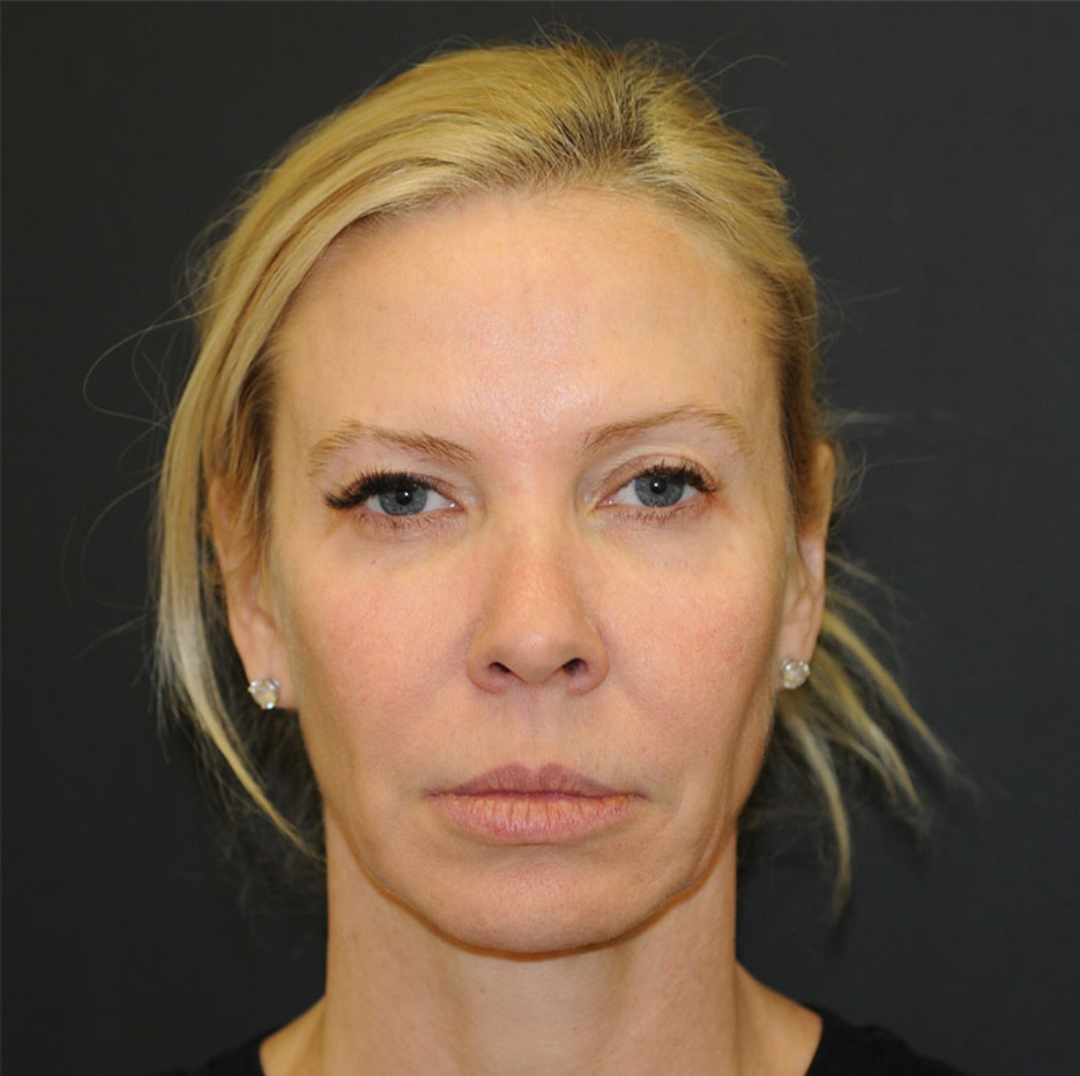
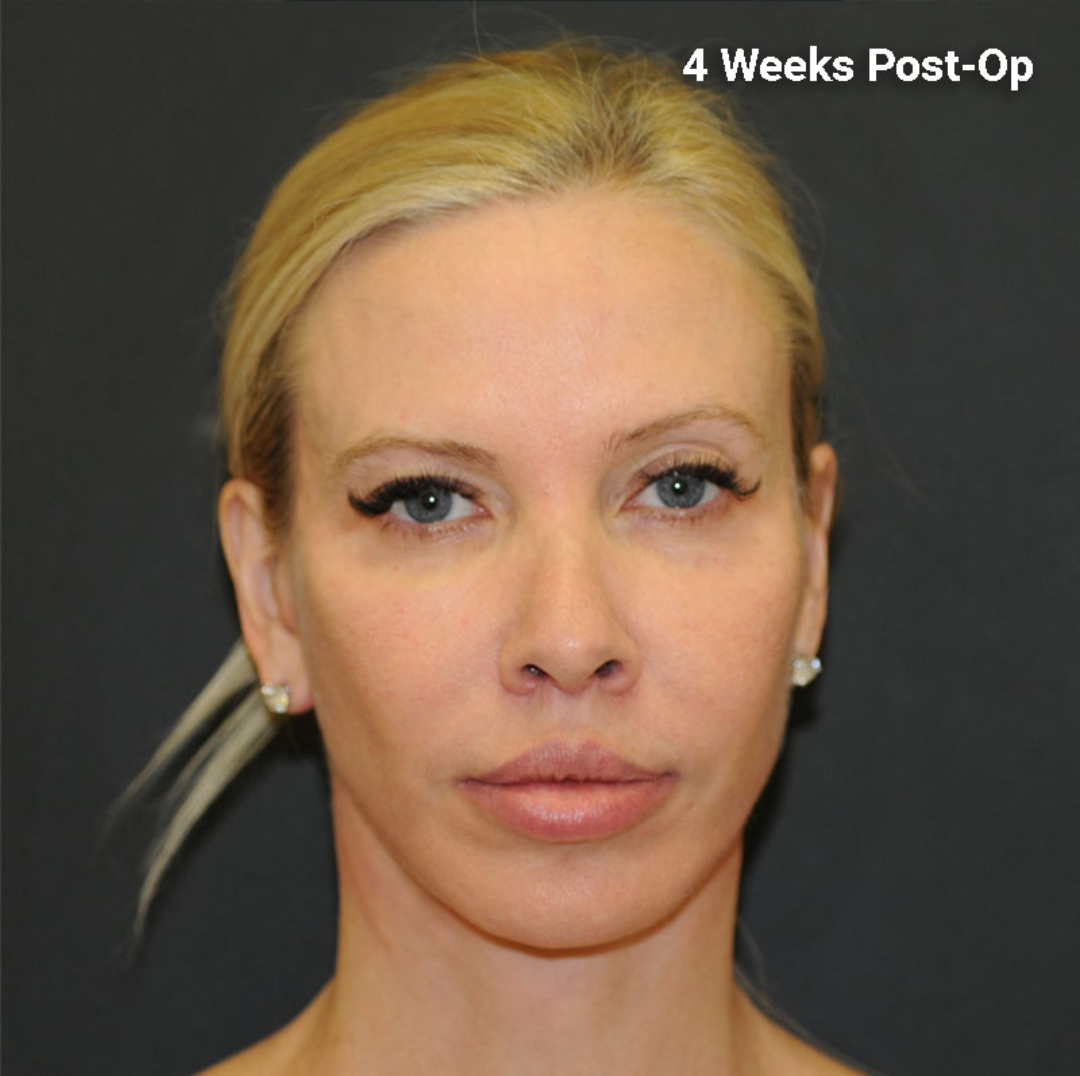
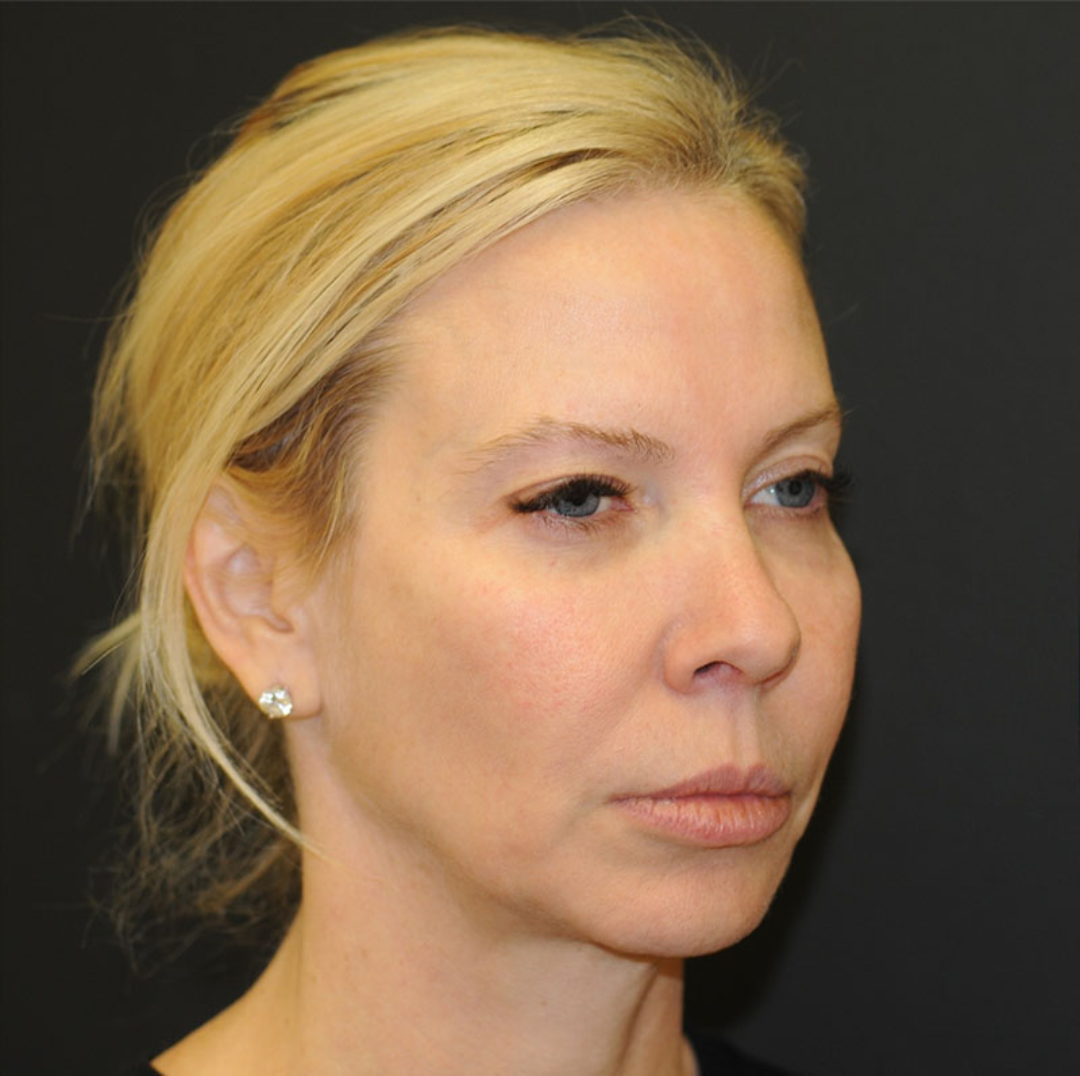
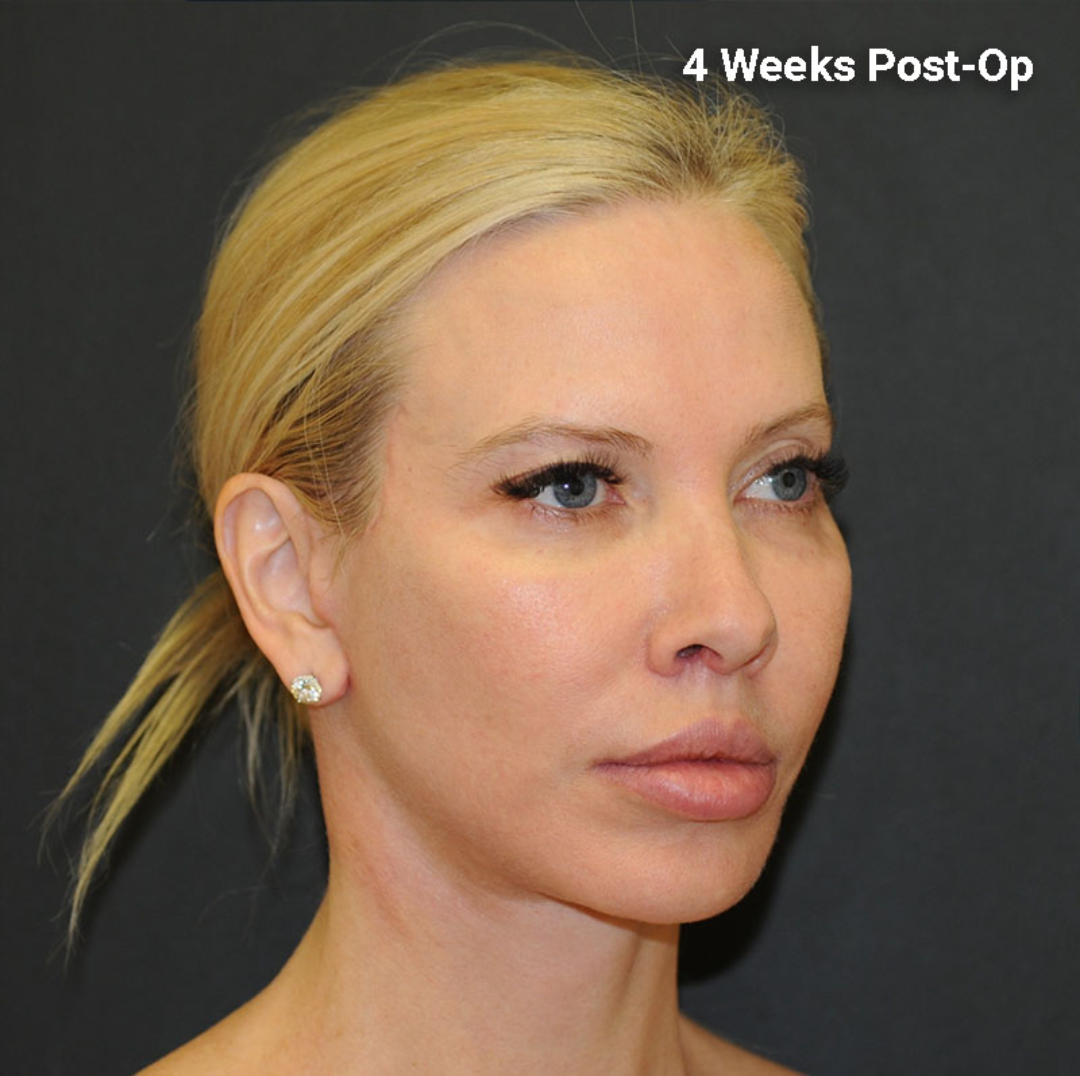
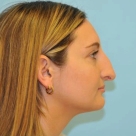
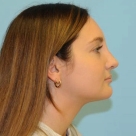
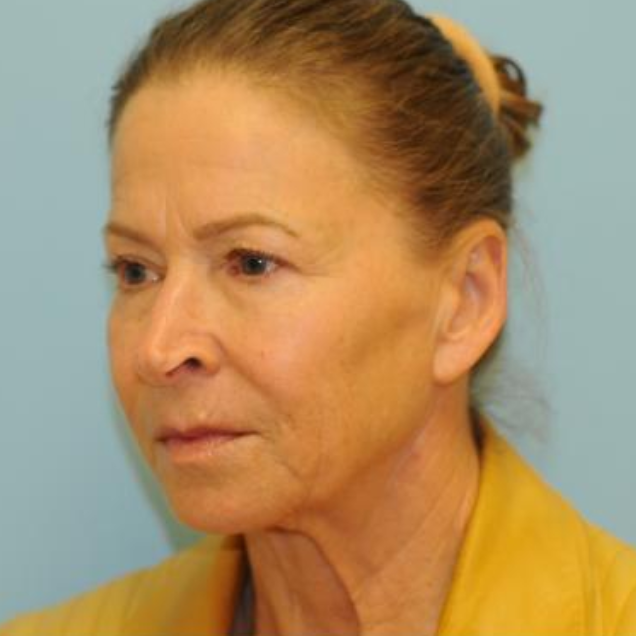
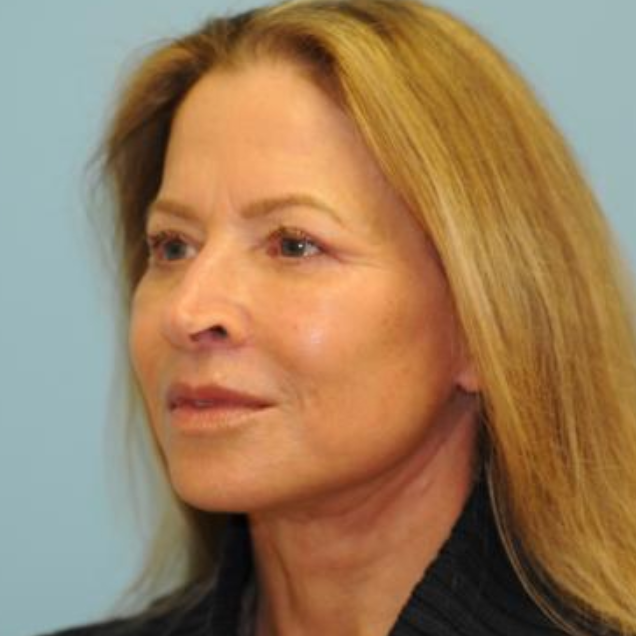
Six months later Dr. Berlet revised the rhinoplasty she’d had in her twenties, rebuilding her nose with cartilage from her ear. Since then she has come back about every ten years. At 50 she had a neck lift and a small chin implant. Around 2020 she asked about a lower facelift, and Dr. Berlet told her she would get ‘more bang for your buck’ from her eyes. He performed upper and lower eyelid surgery together with her neck in his office under local anesthesia, and she was out with makeup within a week.
Now 65, Trish says people often guess she is about 50. In this episode she tells host Kerry Berlet how her sons have also been Dr. Berlet’s patients, why she valued his supplement program and his low-pressure advice, and why fat grafting to her temples may be next. Dr. Berlet explains how modern rhinoplasty differs from the old reduction technique, and how fat grafting restores lost facial volume.
Procedures discussed
Transcript
Kerry: Welcome to season two of Once Upon a Surgery. I’m the host Kerry Berlet, wife of world-renowned plastic surgeon Dr. Anthony Berlet. And today we have a lovely guest, Trish, who’s flown in from Florida, who first met Dr. Berlet in the emergency room in the year 2000. And speaking of new season, you know, it’s fall now and it was actually the result of a fall, right? When you first met Dr. Berlet. So anyway, cheers. Thank you for coming.
Trish: Thank you for asking me.
Kerry: I’m so happy to have you.
Trish: Thank you. Yes, it was a fall and it’s kind of funny now, but at the time when I woke up in the emergency room at Chilton Hospital, Dr. Berlet was on call as the plastic surgeon and so they brought him in because of my left side of my forehead. It ended up that he did 28 stitches. But at that time I was 30. 40 years old, sorry. And he was able to blend it in really nicely with like the subtle lines in my face.
Kerry: Oh, can I see? I don’t see any mark.
Trish: All the way across the top. My husband happened to be there and he was watching him sew me up and he said his hands were of gold, really just like a seamstress the way he was doing it. And actually the stitches healed so quickly that it was more the bruising from the fall that really lasted longer. I also bruised my nose and it wasn’t the appropriate time to do any sort of surgery on my nose because of course it needed to.
Kerry: Was it broken or anything?
Trish: I think it was partially broken but I had a rhinoplasty back when I was maybe 27, 28 years old and it was the old style rhinoplasty. So he was able to redo it, to change it to, say, the more modern style. So the first thing happened, the injury to my head that he sewed up, and then I came back 6 months later for revision rhinoplasty.
Kerry: So then what was the old technique versus the new technique?
Trish: I’m not quite sure. I think we should ask him. I mean it was more of a shaving of a hump. But I think what he did was more rebroke it and then built it up in some way with cartilage from my ear. I think the first time there was no cartilage from the ear.
Kerry: Okay. Wow. But so were you unhappy with your nose? Like you fall and hurt your face and then it was like an excuse?
Trish: The time when I was 27, it was really for breathing purposes. And then it also shaved down the hump a little bit. But I guess this time because it was bruised and I was maybe afraid that bump would come back. And you know he consulted and was honest and I said great let’s do it.
Kerry: It looks beautiful now.
Trish: Thank you. He always says that I have a very nice tip.
Kerry: Excellent. Wait, and so did he do work or was that your natural?
Trish: He said that was my natural but we can consult with him. He would be the one that would best know.
Kerry: Right. Good when a plastic surgeon compliments your tip.
Trish: Before the surgery, he started to tell me what he was going to do, and I said, “I don’t need to know. You’re the expert. You know what you’re doing. I don’t need to know all the gory details before.”
Kerry: Right. Okay. And so then that was the first thing you did, was a revision. Well, the scar, and then the nose.
Trish: And then about 10 years later when I turned 50, I decided that I didn’t like the way that my neck and chin looked. So I came back for a consultation and he had said, you know, that he would do, I guess they would call it more of a neck lift. It was not really a full facelift. And he did do a small chin implant at that point. Which, you know, sometimes I forget about it.
Kerry: And so did that give you a little more of a lift?
Trish: Definitely pulled back, but that was done at a surgical center, that was under general anesthesia, so that was, let’s say, more nerve-wracking for me to know that I was going to be put under.
Kerry: Right. And so then you did the chin and so now you have the nose and the chin and that was at age 50, right? And so that was what, 2010 or something?
Trish: That was 2010.
Kerry: And so then in 2020, so it’s like every 10 year anniversary, what next?
Trish: Yes, exactly. So I came to him and I said that I felt like I was looking a little bit haggard and, you know, what did he suggest? And I was still thinking something of the lower face facelift and he told me, and his words were, “You’ll get much more bang for your buck if you have your eyes done.” And he actually was encouraging me just to do my eyes. And I said, “Well, what about the neck, though?” You know, and so he said, “You can do both. You can do them separately or both.” And I decided, “Well, this time I’m not going to be put under, right? This time I’m going to have it in his office.”
Trish: Which I think was less stressful, not, you know, thinking that I was going to have to go under general anesthesia, and I think if I remember correctly it was about 35 or 45 minutes for the eyes and like two and a half hours for the neck. And you know I figured if I’m going to recover, let’s recover all at once. And so he did it and I was awake and he and his assistant were talking and singing Christmas carols and having a wild old time and there really wasn’t any pain. Recovery wise in terms of my eyes, really minimal. I mean, you know, I looked swollen, but not in any sort of pain.
Trish: I mean, there is pulling when you have it done here and it’s coming up behind the ears, but you know, it’s not anything. Well, let’s just say I’ve had three children, right? And by natural childbirth. And I think if you compare the two it really wasn’t that bad of a recovery.
Kerry: Interesting. And did you do upper and lower?
Trish: Upper and lower.
Kerry: Okay. Wow. They’re so bright.
Trish: Thank you. I definitely had snapped a picture of myself in the car on the way to his office with no makeup on and I look pretty tired. So, I think I was very happy. I wouldn’t have come back repeatedly.
Kerry: Yeah, that’s a sign that you’re a repeat customer. You have like no fear, right?
Trish: No, not at all.
Kerry: And what about your husband? I guess he was in the initial recovery room when the first scar happened.
Trish: Well he was very impressed. I mean I think he’s always been very encouraging. I mean I’m a medical sales rep so, you know, going out and talking to customers, your face is important. You know, there’s some people that may think that it’s a vanity thing, but for me, I think it’s very important to look attractive and professional. And friends that had seen me, but that maybe I hadn’t said that I was going for the surgery, would say how natural it was. Like, oh, you look like you’ve gone away to a spa. You look rested. Or they might be looking but not asking. But I really never had anybody that said, “Oh boy, you know, you’ve gone too far.”
Kerry: No, I mean it’s nothing like you would never think that you had work done. You just look like you have great skin.
Trish: Thank you. So recently I was in the bank. And the teller was a 26 year old girl and she was looking at my license and kind of saying, you know, something was off. And then she said, “You have beautiful skin. There’s no way that this is you.” Because looking at the date, I’m 65.
Kerry: Wow. 65. You look so young. I would never have thought that. I would think you’re much younger. So I’m sure she was surprised.
Trish: I think she was surprised. And I was surprised that a 26-year-old would say that cuz, you know, when you’re 26, you think of somebody 65 years old and they’re so old. So far off. And that day I didn’t have makeup on at all. So, that was kind of a nice compliment.
Kerry: And so, she complimented your skin?
Trish: Yeah, she complimented my skin, but she said overall you don’t look your age at all and that she was kind of thrown off by the date on my license. Maybe they’ll start proofing me now when I go to the bar.
Kerry: Right. And so did your family obviously know when you had work? How did they react? Were they supportive?
Trish: They were supportive. My husband has always been very supportive. You know I tease him and say now as I’m getting older maybe I need to ratchet it back to every five years. But my kids were good about it. You know my daughter was complimentary and both my sons have seen Dr. Berlet. One for a fall, for a little scar under his chin when he was young. And so of course with a four-year-old, you don’t want to trust their skin to just anyone.
Kerry: So he scraped under there, needed stitches, right under here. That was my nephew too.
Trish: Yes. And then my older son saw him for his nose. So, they’ve been really good about everything.
Kerry: Amazing. Clearly you have a trust that you’re flying back from Florida and you want to see him. And when did you move to Florida?
Trish: We moved in 2022.
Kerry: Okay. So you were always local.
Trish: Yes. Up in Morris County.
Kerry: Right. So he needs to have a satellite office in Florida. He’s getting a lot of pressure to move to Florida, as many of us age and retire down there. He needs to clone himself.
Trish: Yes, he does.
Kerry: So he can be in both places. He thinks about it, but there’s only one of him, he can only be in so many places, and now he’s expanded into New York. So already got Jersey, New York. I don’t know how he can work in Florida.
Trish: But I’ve sent him some friends because they’ve seen his work with me and I think that’s a big tribute when you can see what somebody else has had done to their face.
Kerry: That’s always his biggest source, referrals, you know, someone looks good.
Trish: But I have to say that he’s not a high pressure type person at all. I think when you ask for advice, he’ll not say, “Oh yeah, you definitely need to have this done,” or you should come back right away. It’s more that when I went to see him before the last one, he made suggestions, but he wasn’t really pushing me to do my neck and chin and lower face. So he really was pushing the eyes and that was something that never really came across as something I wanted to do.
Kerry: Yeah, I think that’s like the artist. He looks at the canvas and it’s like this is what needs, you know, the tweak. I know because I have some friends and they want certain things done and it’s like, oh I really want to redo that nose. It’s like this is a priority list, right? But it’s not like he’s trying to sell. It’s really just because he wants to create, you know, beauty.
Trish: Well, I have a work friend many years ago, probably when I was in my late 20s, who had said, you know, you’ve got to start the plastic surgery fund now, like a Christmas club, you know, and I just said, “A plastic surgery fund? What are you talking about?” But when you’re in your late 20s, at least back then, you weren’t thinking about, and of course Botox and a lot of the different things that are used now regularly weren’t an item back then. So you’re not thinking about when you’re going to be 60 and 65, you know. So she was kind of right in a way.
Kerry: And she was in her 20s saying, “Start this plastic surgery fund.” Now these people in their 20s are already in the door getting the Botox. It’s just part of the self-care and maintenance these days, right?
Trish: Yes. Absolutely.
Kerry: And now are you open about it with people?
Trish: It depends on the situation. I probably wouldn’t say it to customers, although they’ll probably be seeing this, but sometimes if somebody really says, you know, what is it that you do, that you look so much younger than your age? I would say that a lot of people now will pinpoint me at maybe 50. It seems to be the common thing now.
Kerry: 15 years younger. That’s pretty good.
Trish: Absolutely. I’ll take it. But sometimes I’ll say something like, “Oh, I’ve had a little nip and tuck.” And just leave it at that. But if somebody’s really inquiring, where they’re saying, you know, gee, I’ve been thinking about having something done, then I’ll be more open and, let’s say, more graphic of what was done. And then they kind of said, “Can we see your scars?”
Kerry: Which I don’t see. You really can’t.
Trish: I mean, what probably felt the hardest, that really felt like it was really cut, was behind the ears, because when you lay down, and I sleep on my stomach, so for me, the first two weeks with having anything done with your neck, you’re laying down on your back and that was kind of hard. But I was able to go out with makeup within a week.
Kerry: Really? Within a week with makeup.
Trish: But, you know, I often thought like if somebody was a guy, they may not be able to go out if they were having something similar done because they don’t have their hair, they don’t have things like that to kind of.
Kerry: Or sunglasses.
Trish: Or sunglasses. Yes. During the summer is a better time. Well, no. I had the last one in December, right? Because it was close to Christmas Eve and then the other ones were, I guess it was in colder months, which is good because you’re not sweating, right? And then you don’t have to worry about sun.
Trish: One of the things I really loved about the office is that they gave the nutritional supplements for a month to take before the surgery or maybe it was even two months and they were just amazing. Oh my god, I felt so good and apparently that helps in the healing process. So that was really great.
Kerry: Yeah, that’s something I think a little unique about him, that he has a whole regimen that he wants you to follow. He’s very into the supplements, you know.
Trish: Yes. And I actually called about 6 months later to ask exactly what it was and I ordered them. So I’ve taken them, you know, not super regularly all the time, but as a boost for sure.
Kerry: Right. Excellent. And so now you’ve been a repeat customer. What do you think? Do you have a next item on the agenda that you’re looking into?
Trish: Well, first we’d have to ask Tony that, right? And let’s see if he would be open about it on camera. But the only thing that I would think of for me for now is possibly having the fat, what do they call it? The fat grafting. Fat grafting in the temples. Just a little. I don’t want it really anywhere else on my face, but just maybe in there to kind of even it out.
Kerry: Yeah, he’s started doing that with the nano fat and that can be very, just for. Okay. Interesting. Excellent. All right. Well, I think we need to get Dr. Berlet here to talk about, you know, your journey and his take on everything you’ve had done.
Kerry: All right. So, we’re in season two with Dr. Berlet. And how you know it’s a new season with Dr. Berlet is he changes from golf shirts to turtlenecks. This is his signature look that will stay on now through March. So we have Trish here who’s a loyal patient for now 25 years. She had a previous rhinoplasty and she said something about an old technique versus something that at that point was new, that’s now 25 years old. What would be an old technique?
Dr. Berlet: Well the classic rhinoplasty for a million years was something called a reduction rhinoplasty. So basically they would shave down the bump, they would trim the cartilage. It was all done through sort of a closed technique, in through the rims, and inherently it had problems because it would weaken the structure of the nose and oftentimes you end up with more problems breathing than you started off with and it would start to collapse a little bit. It would pinch in through here because the conduit between the bone and the cartilage in the nose was lost with that technique. So now we rebuild the whole midsection of the nose. The bridge has to be built completely. So we put cartilage in there and open it up so it actually opens the airways.
Kerry: So I guess she’s lucky then that she fell and you were able to revise the nose, right?
Dr. Berlet: With some healing time in between.
Kerry: She says that you tell her she has a nice tip.
Dr. Berlet: She does. Well, the nose is two parts. It’s a bridge and it’s a tip. And so if you can get that bridge to have continuity and then the tip to have a nice shape and projection, it’s going to look natural.
Kerry: So I think no one would guess you had a nose job, right?
Dr. Berlet: That’s the way it should look. It’s a great nose.
Kerry: And so since then it’s been like every 10 years, but now we’re at five. Do you remember the first time, 10, 15 years ago in 2010, right? And then you’ve also seen some of her family members, right?
Dr. Berlet: I took care of her son. He came in from Florida. And then the little one, you did a little incision underneath cuz he had fallen.
Trish: You said he should have a name like Paulie the Chin. You don’t remember?
Dr. Berlet: I probably was inappropriate, but I’m glad I forgot.
Kerry: That’s funny. And do you remember she came in I think wanting the face, but then why was it that you sold her on the eyes back in 2019?
Trish: I told him I was kind of haggard. I felt worn out and haggard looking in pictures. I had come to you more thinking about a lower facelift. You had done the chin and I guess the neck, but I wasn’t even thinking of eyes at all.
Dr. Berlet: Well, you know, if you do a facelift and you do this part of it and the eyes still look aged, mismatched, it’s like, you know, a jar without the lid, right? You’ve got to put them together.
Kerry: Right. And her eyes, I think that was a big one. You did an upper and a lower. They look so bright.
Trish: So one of the benefits that you may not know of is that when I went to my eye doctor he said that right afterwards my vision had improved a little bit. And I said how is that possible? And he asked if I had any sort of surgery around the eyes. And he said it was because the doctor was pressing down on the eyeball while you were doing the work. And he said that in a way you reshape the cornea in a good way, not permanently, but temporarily.
Dr. Berlet: Well, when you do eyelid surgery, the lids are a little tighter. So when the lids are tighter, they’ll push on the globe of the eye, and that will actually change the convexity of the cornea. And that’s how you really adjust vision.
Trish: You’ve got to put it on your list of features and benefits, right?
Kerry: Wow. Total plus. That’s amazing. Well, great job. And she’s 65. She says people think she’s 50.
Dr. Berlet: No, she was correct.
Kerry: So what about the future, right? I don’t know if you feel comfortable with looking and saying next time maybe. She’s talked about wanting fat in her temples.
Dr. Berlet: In the temples. Well, that is always the next step, right? So part of aging, you know, we lose volume in our face. We lose ligamentous support. Your ligamentous supports are all where they’re supposed to be. So the next step would be to add some volume.
Trish: So it’s not done in the hospital? I guess I thought that you would have to go to the hospital and go under, whereas it can be done in the office.
Dr. Berlet: Now it’s a very routine thing. We do it multiple times a week, but basically we suck some fat out, typically from the inner thighs. Now we can adjust the size of the fat globules that we’re putting in and we put it in with very fine needles and we can put it very diffuse through the face, because we can do micro fat grafting now. We can put it into the upper lids, into the lower lids, cuz, you know, eyelids can get a little hollow as we get older. The temples get hollow, midface gets hollow, around the mouth we lose a little stuff around there. So you add some fat, magic. And then stem cells.
Kerry: How was the recovery from something like that?
Dr. Berlet: It’s really something that, well, there’s really no downtime. There’s no disabling, but just some minor bruising, minor swelling. There’s some people who will go out that night. Everyone’s a little different, but it’s an amazing process, procedure, and the ultimate results. I mean, you can get another 10 years back just from fat grafting. Between the volume loss, get that back, and then also the skin, the stem cells are outstanding. They just rejuvenate the skin, give you a little bit of a glow. It’s fantastic.
Trish: I think one of the things too I was telling Kerry is that it didn’t take me that long to be able to go out after this last surgery. It was twofold, right? It was the eyes and it was the neck. And within a week I could go out with makeup on.
Dr. Berlet: That is the ticket. So 10 to 14 days usually you’re very presentable. And you know it’s 3 months to get the final result for anything, but it just gets better and better.
Kerry: All right. Well, fantastic. Good job, honey. I think we should touch on some of the loyalty here. Do you have a loyalty program? It’s insane because you’ve known each other 25 years now, right? You actually called Kerry like I need to be on the show.
Trish: I did. I said we have a history. Well, and I think too that what makes it different is I didn’t come to you initially for a consultation on plastic surgery to improve my looks. We met in an emergency room and that kind of gave it a little bit of a twist.
Dr. Berlet: Well, it’s an early trust. You know, you slide backwards, get back to a place where you want to be. And you say, “Ah, well, you’re here.”
Trish: Right. And again, my husband really was your biggest fan because he watched you do it. He said it was really remarkable to watch. He said it was like a seamstress because according to him it was kind of a big opening.
Dr. Berlet: Let’s just say, I mean, those types of things, you can redirect the scar so it falls more into the natural creases, right? And then, of course, you can cut the edges and make sure everything’s approximated well.
Trish: And I mean, you did it in creases that really at that point, I was 40, I didn’t really have as many creases as you have as you get older. So it was interesting how you got it. You know, maybe it was the location of where it happened, but you blended it really in as if it was just another line in my forehead.
Dr. Berlet: Well, hopefully that’s why you got a plastic surgeon. And not a PA.
Kerry: I think you deserve a cookie. Well, so I just want to say thank you to Trish for coming. I hope that you all enjoyed this unique episode of Once Upon a Surgery with an out of town guest. And, you know, what started with an accident became a masterpiece of resilience and 25 years of loyalty. So again, cheers to you. Thank you so much for coming and cheers to Dr. Berlet. Have another cookie.
Dr. Berlet: Feel like a pet. Cheers.
Ready to start your own story?
Meet with Dr. Anthony Berlet to talk through your goals and options.
Request a Consultation (332) 232-5630