Brazilian Beauty’s Journey Revisited: Confidence, Change & Reflection

Summary
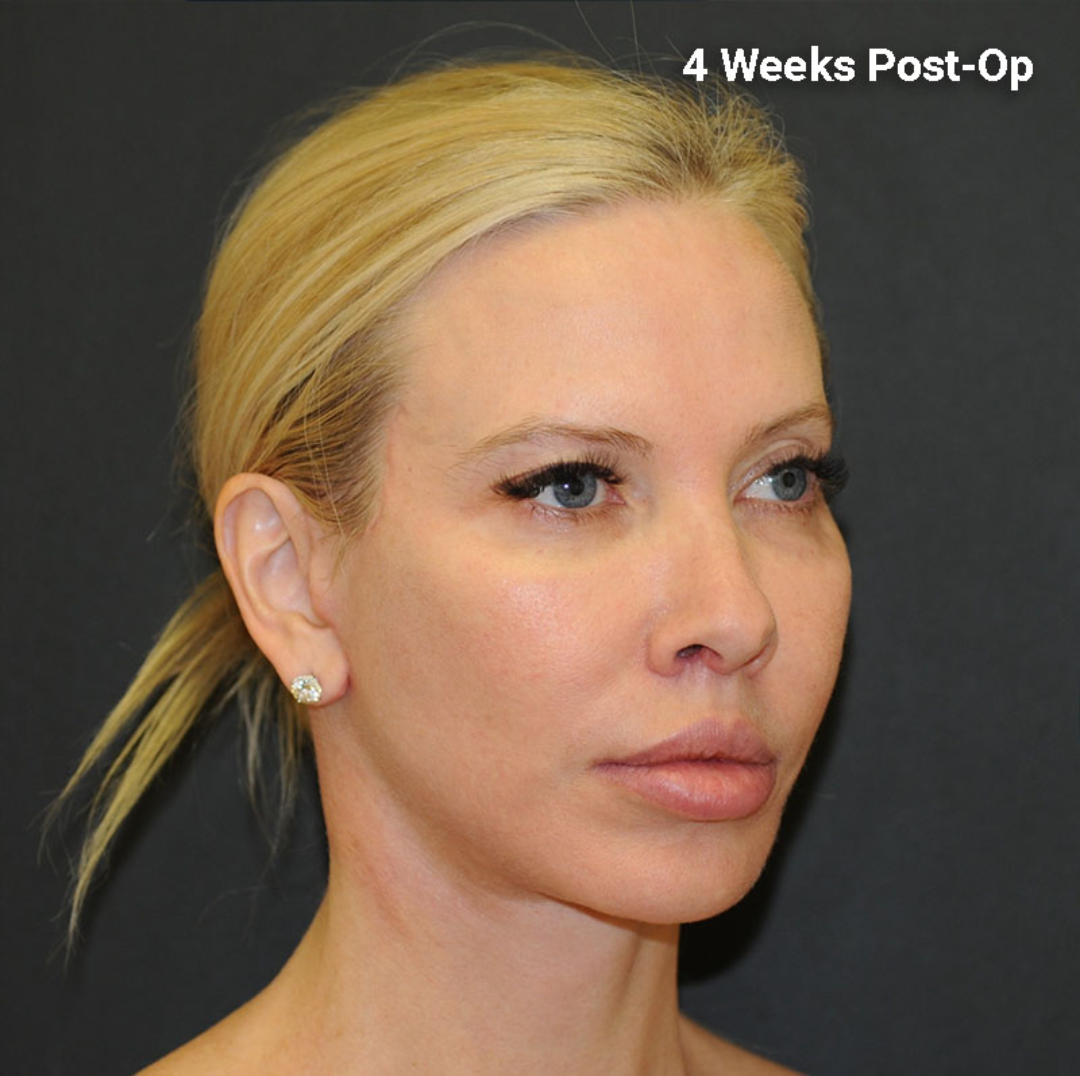
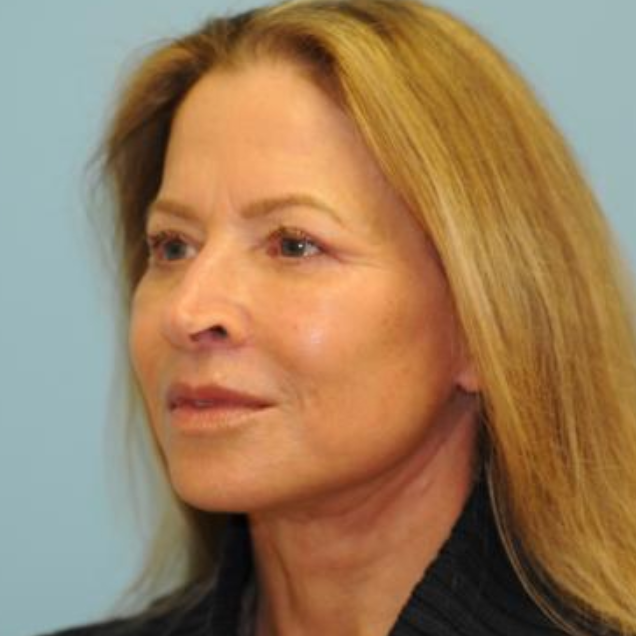
Leila, a Brazilian med spa owner and mother of three, has long believed in fat transfer to refresh her face. But after a fat transfer under her eyes by a colleague, she developed lumps that would not go away, even after she tried devices such as Morpheus at her own spa. Her colleague agreed: for the face, she should see Dr. Anthony Berlet.
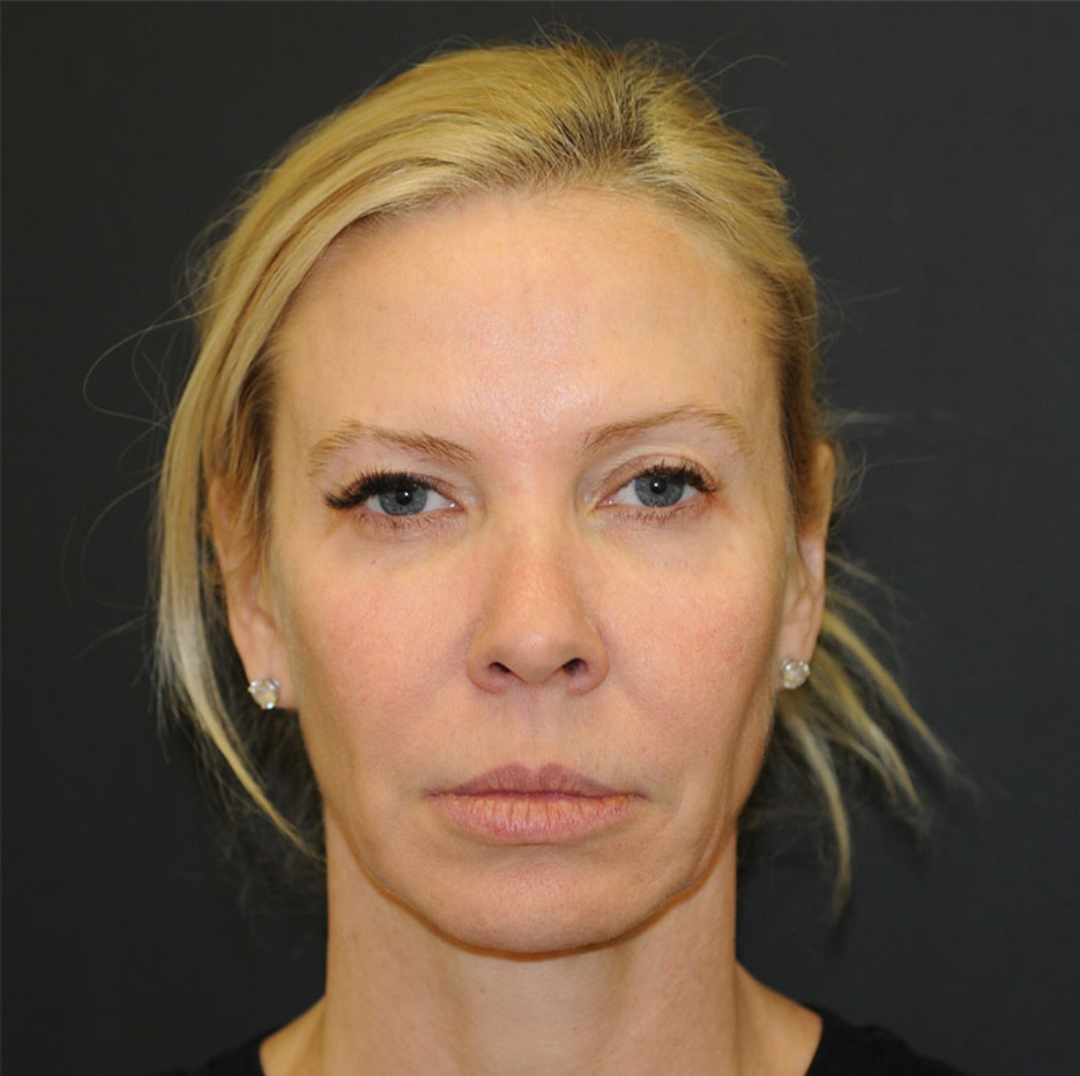
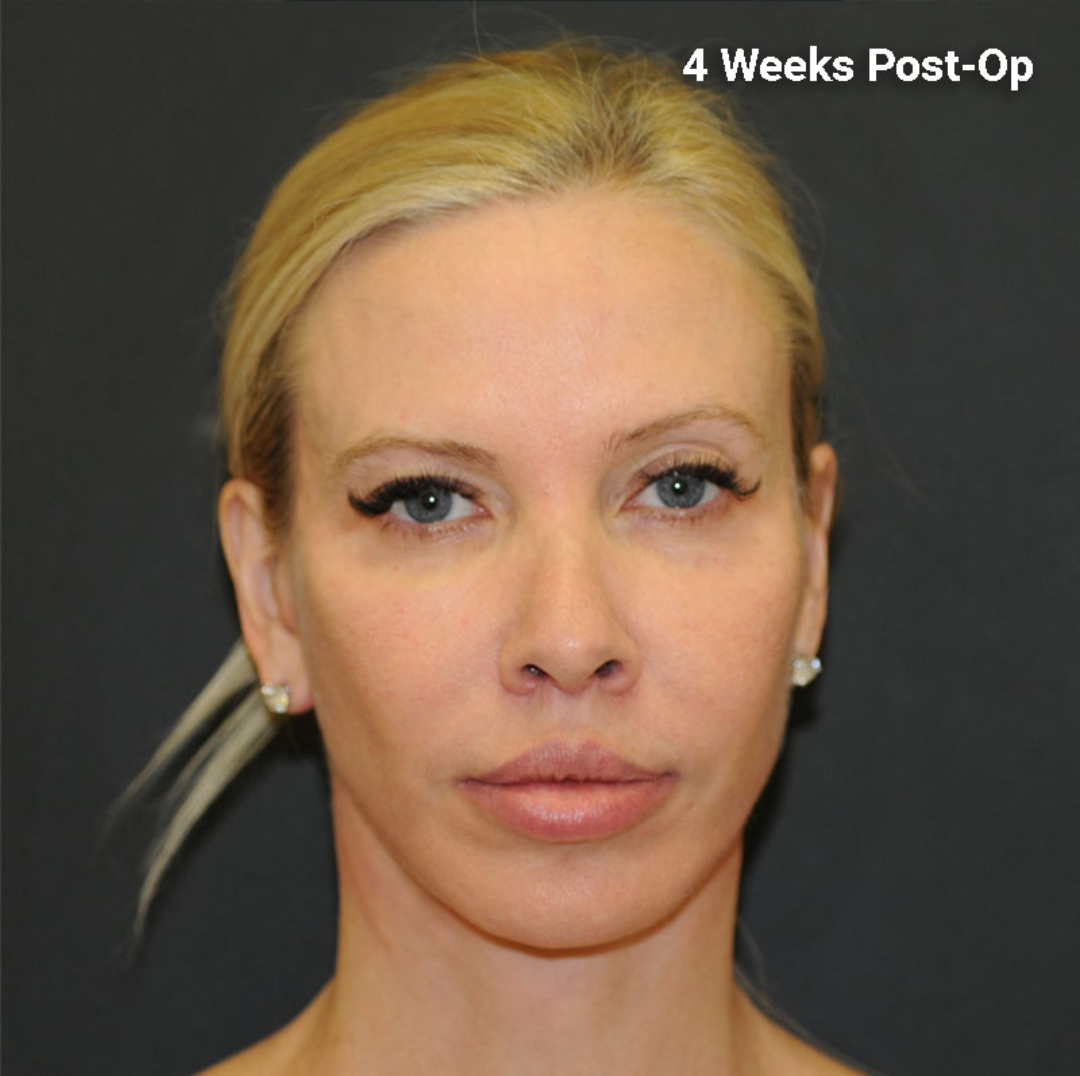
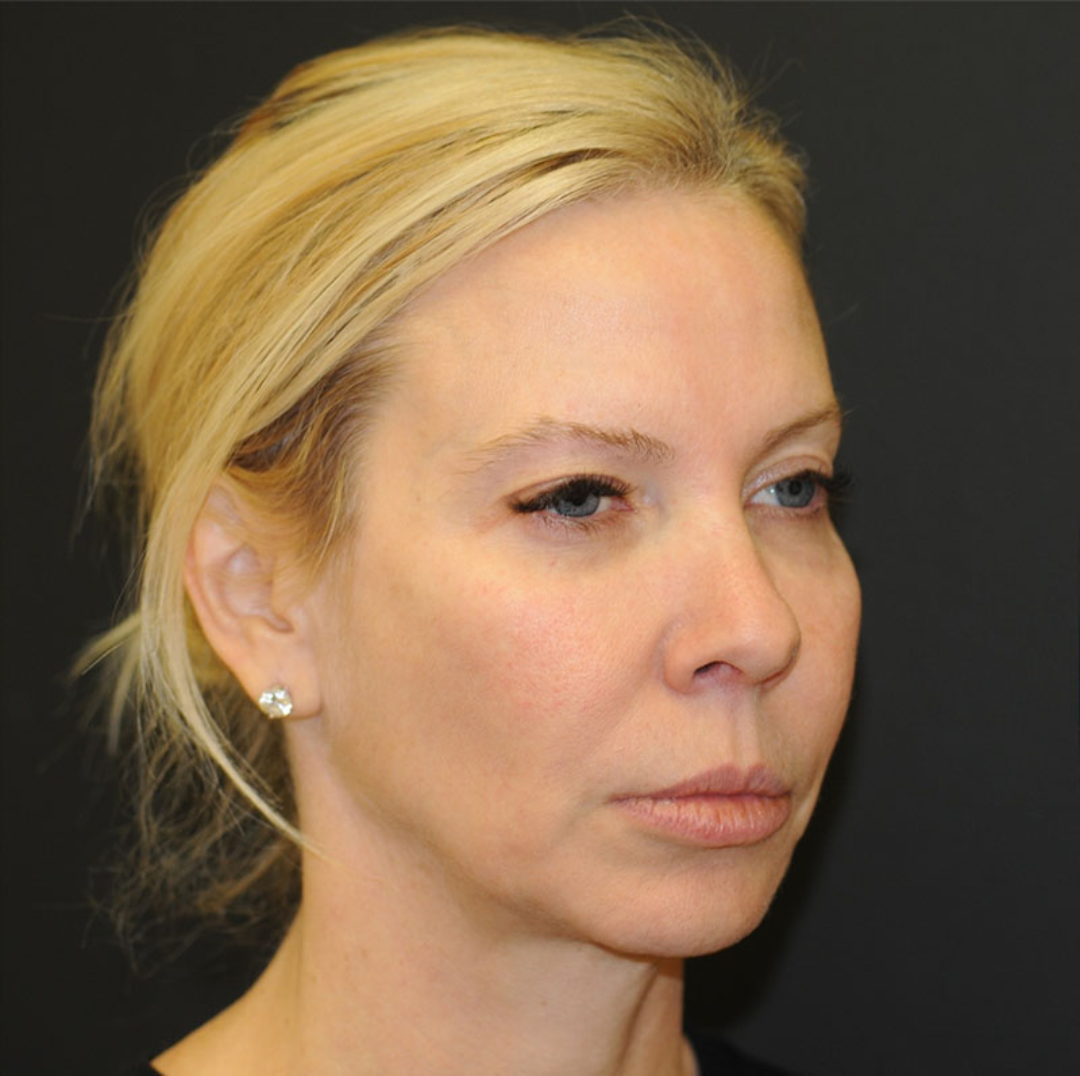
During her consultation, Dr. Berlet found more than the lumps. He told her she had ptosis, and together they planned surgery on her lower eyelids: removing the lumps, removing fat under the eyes, laser treatment and a lift at the outer corners of the eyes. Leila tells host Kerry Berlet she was so shocked by the word “ptosis” that she stopped listening and simply asked whether he could fix it.
She describes feeling at home with the practice’s careful preparation, including vitamins before surgery and prescriptions afterward, and being relaxed during the procedure. She bruised heavily but was back at her front desk the next day.
About two and a half months later, Kerry sees no scars and eyes that look brighter. Leila also talks about Brazilian beauty culture, choosing the right injector and filler, and why she shares her journey openly.
Procedures discussed
Transcript
Kerry: Hi, welcome to Once Upon a Surgery. I’m the host, Kerry Berlet. I’m here to bring you real stories, real transformations, real patient journeys through plastic surgery. We’re here to spill the tea. All right. So I’m here with Leila, and I’ve known Leila for years. But I got a call one night from Leila, and I know that you own a med spa, and something happened, and you needed Dr. Berlet. So I knew that meant there was some kind of an emergency, but you were very calm about it. And I want to hear the story of what happened and why you thought you should call Dr. Berlet.
Leila: Okay. So, as you say, my name is Leila Singh. I own a med spa, right? And the way I look is very important for us every day.
Kerry: And you’re gorgeous.
Leila: Thank you. People don’t do what you tell them to do. People do what you do. So for me, it’s very important to always look presentable for my customers. And I’ve been accustomed for a couple of years to transferring fat. I learned years ago, I think it was 15 years ago the first time I’d done it, that when you transfer your own fat into your face, you kind of activate your own growth factors. You create your own rejuvenation. You use your own body, right?
Kerry: And I’ve done it too, by the way.
Leila: Yeah. No matter how much Botox and fillers we do in people every day, all the time, we’re always looking for something else besides that. Come on, let’s be honest. Nothing in this world will replace Botox, right? But we’re always looking for something that brings back those memories from years ago, to bring us back. So after three kids, to make sure my face looks neat, to make sure my body looks perfect, I always go under the knife. I cannot lie about that. I do all the treatments. I do everything that we offer, right? And then I go under the knife, too. It’s not a miracle.
Kerry: Practice what we preach, right?
Leila: Yes. And this time I called one of my colleagues and I said, “Hey, Dr. Troy, it’s time again for me to do that. I feel like my face needs something under my eye.” And he said, “Sure, whenever you want.” And he did it. And this time, I don’t know what happened, but my body didn’t take it well. There were lumps after the fat transfer. And I was on the injection to lose weight, so we don’t know if that caused an adverse effect.
Leila: And again, we know each other, right? Dr. Berlet is a friend of the family. I called Dr. Troy back. I said, “I feel like we should go to Dr. Berlet.” He said, “I think we should go to Dr. Berlet, because when it comes to the face, he’s the best in the country.” That’s what Troy told me. And I’m like, “Okay, I’m glad that you’re thinking like that, because I need to do something about it.” So that’s when I called you and I said, “You know what? I am not going to do a consultation with anybody else. I need Dr. Berlet to see me.”
Leila: And I was surprised, because when he saw me, all I thought I needed was under my eye, to fix something that was not properly done, or we don’t know what happened. But he looks at me and says, “Oh yeah, we can do something. You also have ptosis.” When he told me that, I’m like, “What? What do you say to me? I have ptosis?” And he said, you have ptosis, the measurements on the corner of your eye are not perfect. And I’m like, oh my god, what can we do to fix that? And he said, we can do this and we can do that. And I couldn’t hear anything else. I stopped when he told me I had ptosis. Whatever he said to me, it didn’t register. I just told him, can you fix it?
Kerry: And you’re so brave. And I was like, oh my gosh, because you were already so beautiful.
Leila: And he said, we need to do something to fix it. You’re going to look great. You’re very beautiful. I think he felt like I was uncomfortable, but I was not uncomfortable. I was in shock. So we made the decision to do three procedures: under the eye, removing the fat, doing some laser, and then cutting the corners to lift them up a little bit.
Kerry: And you were just up for it. Full trust in Dr. Berlet. Wow. And then the fat. So what he did, after the mess-up that gave the lumps, he had to cut that out first.
Leila: Yeah, he cut it. He got it here. But can you see it? Look.
Kerry: No, I was just looking. Your eyes look absolutely amazing. They were always beautiful, but I felt that was so bold, because when I heard, I’m like, “No, but Leila’s so beautiful.” I was so worried. But then when he said it, he talked about you having sad eyes or whatever. And now it’s just this minor little tweak, but I can really see the difference.
Leila: And I think when people are looking for somebody, I work in this field, when people look for us, that means we’ve built up a name, we’ve built up trust. It doesn’t mean that we’re the best in the world, but people trust us. And I think with Dr. Berlet it’s the same thing. It’s the trust that he built over the years with people, his career, everything that he offers, and all the nominations that he got through the years. It brings him to a point where nobody is nervous under his knife. I was completely relaxed. They gave me Valium. It’s fine.
Kerry: By the way, he said you were such a badass. You didn’t even flinch. You just took it like nothing. Do you have a superpower? I saw the one picture, because I think when they’re injecting in your eyes, that’s the most painful part, and you just didn’t even flinch.
Leila: I guess I’m accustomed. I don’t know. But I will tell you something very interesting. I went through the consultation at the office, right? Because I even remember talking to him in his kitchen, and he was mentioning the other stuff.
Kerry: I know, I was there.
Leila: So I did it like a regular patient. I went through my appointment and did a consultation with him. And what surprised me, I’m Brazilian, and our country, I think, is now the second one in beauty, and a whole lot of people go there for that stuff. So the way doctors behave there is a little bit different than here. But I felt like I was home. The precision, the way they took it, all the vitamins and all the stuff that you have to do to prepare yourself before the surgery, is very important. And I don’t think every doctor in America knows that.
Kerry: Right. They don’t.
Leila: I don’t know if it’s because Dr. Berlet is also involved in the longevity trend that is going on right now, right?
Kerry: He’s obsessed with supplements. He really believes in it.
Leila: He believes in prevention, right? And that’s something that I believe in too. So everything they told me to take, I took. And I remember getting out of there with a bag full of vitamins. Two weeks before your treatment, you’re going to do all this natural stuff. And I’m like, “Wow, this is great.” So it made me feel even better. And then I remember getting out of there with all my prescriptions, and antibiotics were there. And we don’t see that every time you go under the knife in the USA. I have three kids. I’ve been there a couple of times.
Kerry: That’s good.
Leila: And the staff, they’re so nice. Everyone there, they give you a little foot rub. They probably love their job.
Kerry: And they really are like a family.
Leila: Yes. And I was not nervous at all.
Kerry: And those weeks leading up to it, were you in a panic when you had the lumps? Or did you just know it was going to be okay?
Leila: I tried everything. I’m the queen of Morpheus. I tried Morpheus on myself to melt it. People are terrified that Morpheus melts the fat and this and that. Trust me, I know the settings to melt the fat. I zapped it on my face and it didn’t work. And I tried other devices. We were even thinking about maybe injecting to explode the fat. And I’m like, you know what? Let me just cut this out with somebody that I can trust. Because we see people with crazy stuff in their face every day in my office. And I knew that I was not going to go to just anybody to do that, because the way my face looks and heals is very important for me in my career. So I said, you know what, I’m ready. I’m just going to do this. I’ll take two weeks to do it. But guess what? I was at work the next day. That’s how good I felt.
Kerry: Wow. Even though you were bruised.
Leila: I was bruised. But in my field, I guess people don’t care. They go there to get stuff done, so they kind of understand. “Oh, what happened to you?” “I got surgery done yesterday.” “Oh, it’s okay. Are you feeling okay?” And my husband said, “You should be resting.” And I said, “I can’t stay still. This is fine. I’m not feeling anything.”
Kerry: Right. I know it is weird when you’re walking around with all these bruises.
Leila: Yeah.
Kerry: I think in New Jersey people just know it’s normal.
Leila: It’s normal. And I was not physically delivering services to the patients, but I was there. I was doing paperwork. I was at the front desk, taking phone calls.
Kerry: And I saw you documenting every day with the bruises.
Leila: I did post it. Yes.
Kerry: And he did my upper lids and I was very bruised, but not everyone is. But you also looked pretty bruised, right?
Leila: Yes. I have a condition where my [inaudible] level is always so high. So I bruise very easily, and for me the bruise is very difficult to go away. So maybe that’s why I looked so injured, but I was feeling fine.
Kerry: Right. But they still looked pretty. You just had some different colors, some rainbows.
Leila: Yes. But after everything went away, I was completely happy.
Kerry: And I’m looking, and I really don’t see any scars, right? I can’t believe it, because you had two things done to your lower lids, right? So was your husband worried when you were all bruised? Like, oh my god, I come back home and my wife is cut in pieces?
Leila: I think he’s accustomed. After all this time, nothing scares him anymore. He wasn’t at all worried about the result. I guess he trusts Dr. Berlet as well.
Kerry: And what about your kids? Because I know my kids always find it a lot to see their mom like that.
Leila: I have something funny to tell you. So I have an eight-year-old and a 5-year-old. Both of them are on the spectrum, right? Autism. My eight-year-old always sleeps with me. So imagine, now he’s huge, and he’s in the middle of my bed, and I’m like, “Oh my god, when are these kids going to leave?” Do you believe that he was scared of me?
Kerry: So you finally got a night to yourself?
Leila: Yes, I finally got my bed to myself, and I finally got my husband back after 8 years. I was not even accustomed to having a bed anymore, because he was in China and I’m here in America, right?
Kerry: He travels a lot.
Leila: Yeah, but my son ran away from me because he was scared of me.
Kerry: I’m sure it’s shocking. And what about your daughter? She was okay?
Leila: She was checking mommy’s boo-boo every day. And my 13-year-old, she was like, “What have you done with your eye? You don’t need anything.”
Kerry: I know. But the result, to me, it was just a little subtle difference, but your eyes look brighter, bigger.
Leila: Right now I think I’m running out of my Botox and stuff, because I want Dr. Berlet to check me out again, to see about any eyebrow lift.
Kerry: I think this is addictive. Yeah, because with the Botox he actually does it so it will raise your eyebrows a little bit too. And was he going to do fat again?
Leila: I think he said maybe he needs to see me. Maybe we can do another shot of the fat transfer.
Kerry: Okay. But I think you look stunning. And again, you’re so brave. You’re such a badass. And you let the whole surgery be filmed, right? So you’re totally comfortable with it being public, sharing this with the world. I don’t know if it’s a culture thing.
Leila: Yeah. I’m Brazilian, so in Brazil, we have money for three things. Very important. For your rent, for the roof that you live under, right? The way you dress. And aesthetics.
Kerry: Aesthetics. I got it. So is that why all the Brazilians are so beautiful?
Leila: Maybe. We watch what we eat, we exercise. The way we look is very important for us. It’s a culture thing. I remember when I was 13 years old, my brothers used to wrap plastic around my belly and make me run on a treadmill when I was 13.
Kerry: Wait, your brother made you?
Leila: Yes. All my brothers did. They took turns, to make sure I did it every day for at least half an hour. They said a woman can have everything, but cannot have a big belly. Not in our culture. So imagine how much pressure I grew up with. So I think stuff like that is kind of part of my life.
Kerry: And you’re totally comfortable. It’s just normal. Because Tony has all types of patients, and a lot of people do not want anyone to know, right? For me, I’m just someone who’s open, so I’m totally comfortable sharing. I’m like, oh, I’m going for liposuction. Everyone’s like, what?
Leila: In life, you have to see what makes you happy, right? If you’re overweight and you’re happy, if you have your hair completely gray and you’re happy, good. If it makes you happy, good. But I am completely translucent.
Kerry: Transparent.
Leila: I am completely transparent about it, right? I had three kids. I’m 43 years old.
Kerry: You look like you’re in your 20s.
Leila: I like to have energy. I like to feel young and look young. It makes me feel good, and it makes me feel better to run around my day. I love my culture, I guess.
Kerry: Yeah. It’s great that you’re part of a culture that embraces beauty and isn’t judgy about it, right? People want to know what you did because they want to do it too.
Leila: Yes. And if I can share, if I can help people, some people are scared, and if I can encourage them. Inspire people. Go ahead, do it. If you think it’s going to make you feel better, do it. Why not?
Kerry: Right. And I think a lot of times plastic surgery can get a bad name because of bad plastic surgery. So when someone who looks like you is open about it, I think it can open other people’s minds to it, because I think a huge fear is bad plastic surgery. And you had an experience where the results weren’t as expected, and sometimes that can happen. So to have the courage to keep going, and not only were you fixing that, but then you did more. I remember back in the day I did Juvéderm. I just naturally have kind of pouty lips, I don’t need to do anything with them, but the person had extra Juvéderm and they were like, “Oh, we have some extra. We’ll put it in your lips.” And I felt it looked awful. It’s just the worst thing when you feel like you’ve been botched, that something has gone wrong, and then you’re embarrassed that you look like plastic.
Leila: We just made a video the other day in our office about that. That’s why it’s important for you to choose the right surgeon to do your surgery, and the right injector to do your injectables. Because when you say the name Juvéderm, Juvéderm is the brand. They have several types of syringes for different parts of your face. If you don’t know that, you go into some place and they’re going to inject maybe the syringe that’s supposed to go in your cheekbone into your lips. That’s why sometimes you look at people and they look so heavy, so unnatural. That was the wrong filler for there. Maybe they didn’t have it.
Kerry: Right. Maybe they didn’t carry it, because those things are expensive.
Leila: So they just use whatever they have. That’s why it’s important to choose the place that you go. Do they have everything that they offer, or do they just make the best of what they can?
Kerry: Yeah. And then some people overdo it, too. Like, why are you putting more? It just doesn’t look good. The filler when they do it the wrong way and overdo it, especially the lips. Some people have that duck lip thing. I think that’s really what hurts plastic surgery.
Leila: My lips are naturally big. I don’t fill my lips. I do Skinvive, which is just for hydration. It belongs to Juvéderm, right? But it’s just a hydration thing.
Kerry: And Tony does this thing where when he does a facelift on people, do you know this thing called the SMAS?
Leila: No.
Kerry: So my friend explained it. He had done a facelift, and she was like, “And then after the surgery, he took this worm-like thing and put it in my lips.” Which I was like, ew. But if you look now at his patients, it’s very natural. And he does this lip lift. I haven’t had that done yet. But there are other alternatives to filler. This is just something that goes in conjunction with the facelift, where he takes it out and then he threads it through the lips, and it basically gives a little more fullness that lasts. It’s called SMAS. But it’s like when you don’t need a facelift, but when you know, actually [inaudible].
Leila: Maybe I’ll talk to him about it. You gave me an idea.
Kerry: I guess it’s always evolving, and I think this is sort of new that he started doing that.
Leila: Somebody told me the other day that we should infuse Sculptra in your scalp, to lift, and I’m like, oh, maybe I should talk to Tony about that. Creating a booster of collagen type one in my scalp. Maybe it helps to lift everything. I don’t know.
Kerry: Interesting. There’s always something new every day. But I think you look amazing.
Leila: Thank you.
Kerry: And really, how long has it been? Two months?
Leila: I think it’s two and a half months.
Kerry: And you could not tell that you’ve done anything ever. So now we have Princess Leila here, who has a happy ending to her story. And I just want to thank you so much for coming. You look amazing, and I’m so proud of you. I haven’t seen the video yet of your surgery, but I’m really looking forward to it.
Leila: Me, too. Thank you for inviting me.
Kerry: Of course. Cheers.
Leila: Cheers to Dr. Berlet.
Kerry: Thank you for tuning in. I loved talking to Leila and hearing her story. I hope that you remember to subscribe and follow Once Upon a Surgery. And don’t forget to comment, like and ask questions. I’d love to hear about other surgeries that you’re curious about. I’m curious, too. Thanks for tuning in, and see you next time on Once Upon a Surgery.
Ready to start your own story?
Meet with Dr. Anthony Berlet to talk through your goals and options.
Request a Consultation (332) 232-5630