Deep Plane Facelift: Kerry Interviews Herself 20 Days After Surgery

Summary
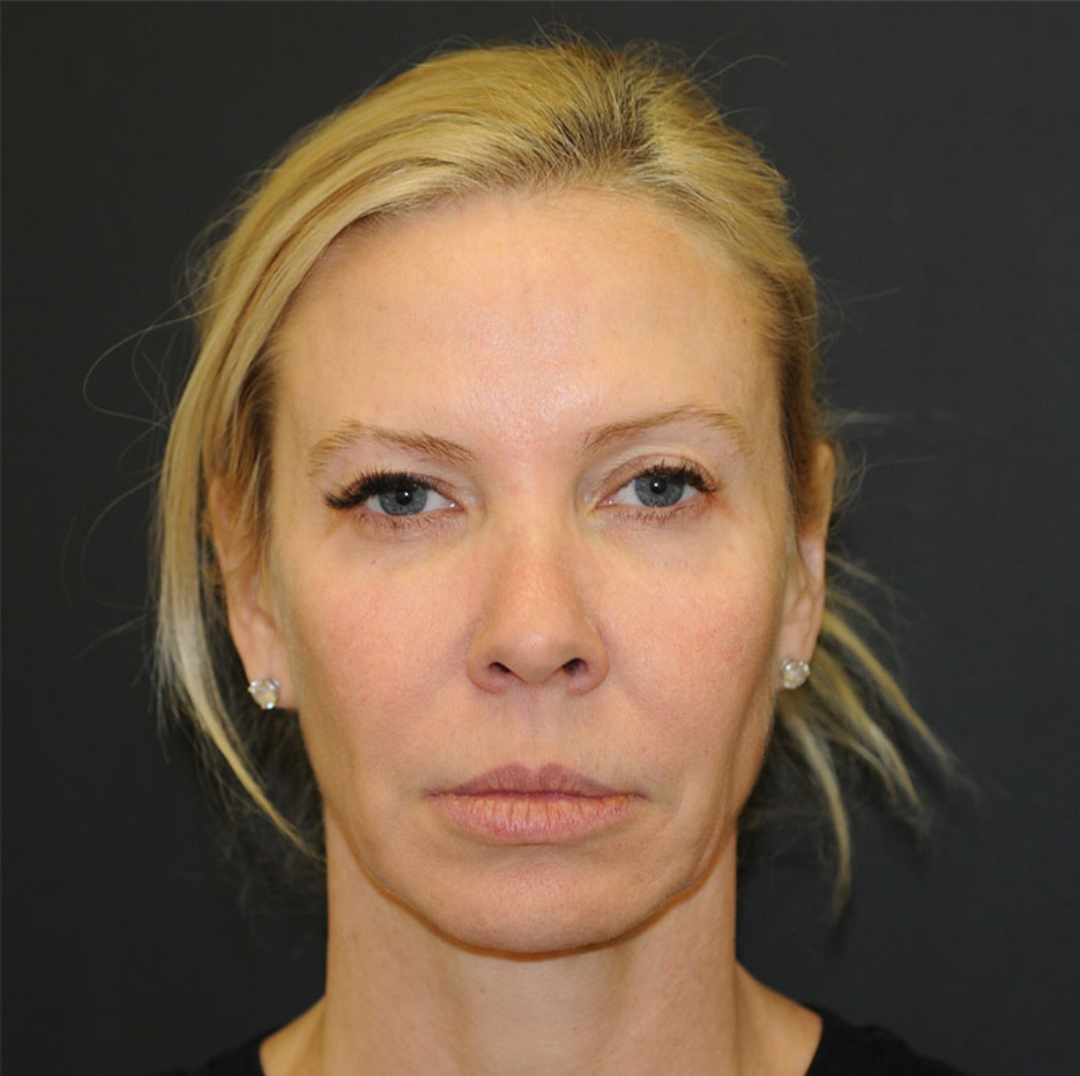
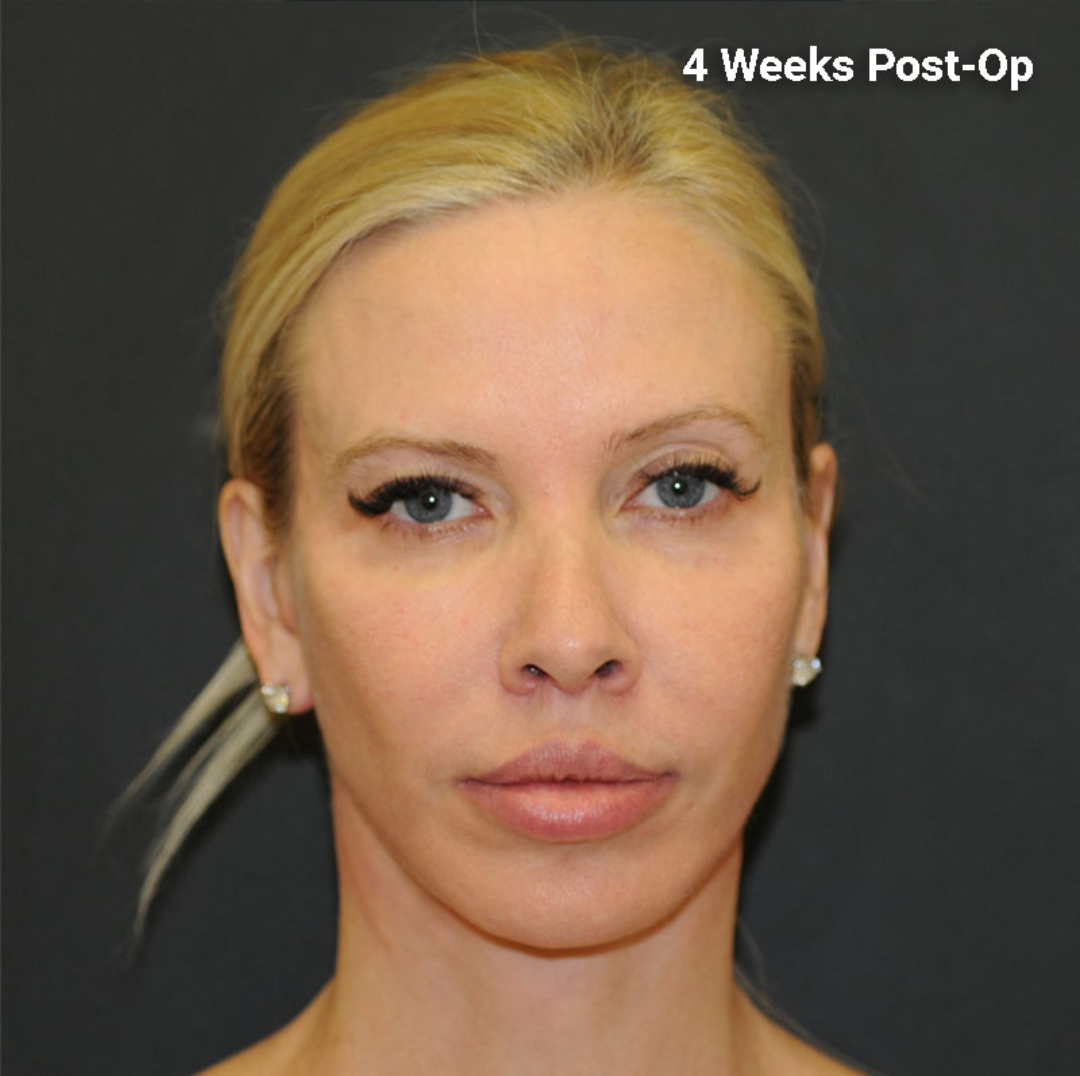
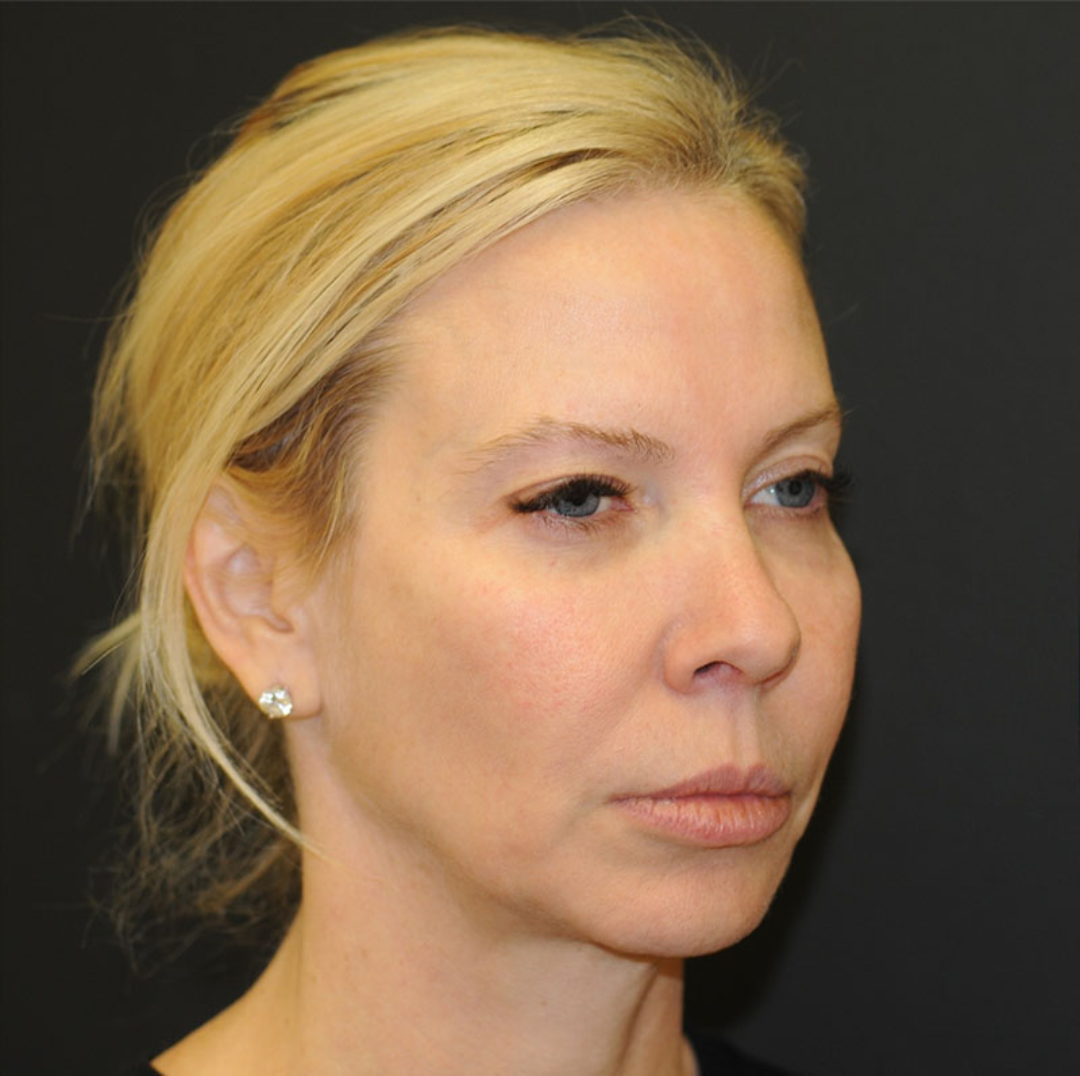
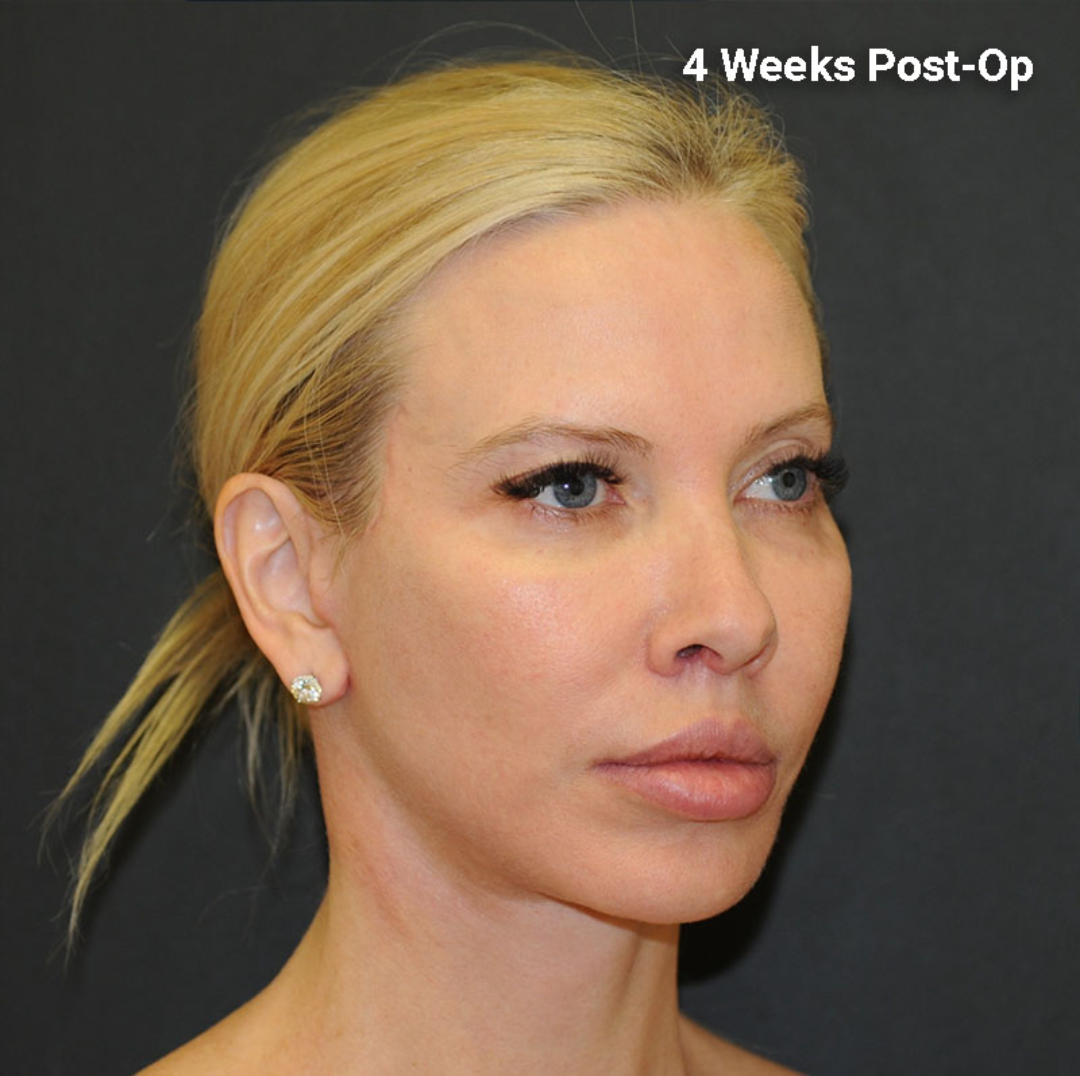
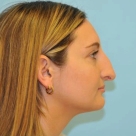
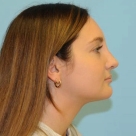
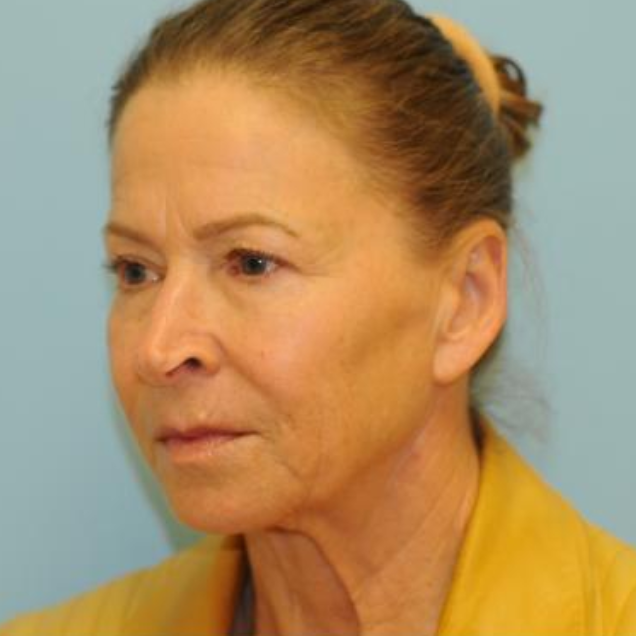
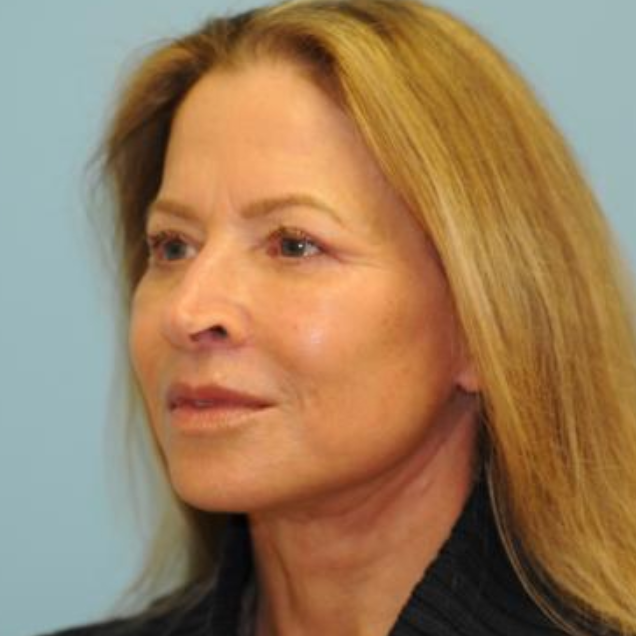
In the Season 3 premiere of Once Upon a Surgery, host Kerry Berlet becomes the patient. At 51, she asked her husband, Dr. Anthony Berlet, to address the jowls, the fullness under her chin and the lengthening upper lip she had begun to notice on camera and in photos. In a playful twist, “old Kerry” interviews “new Kerry” just 20 days after surgery.
Dr. Berlet performed a lateral brow lift to help balance a slight eyebrow asymmetry, a lip lift augmented with SMAS tissue, and his deep plane style facelift, done while Kerry was awake. Kerry says the numbing was the only truly unpleasant part, and she candidly describes the first night in the head wrap and the day her lips swelled far more than she expected.
She shares her own recovery tips: gently combing out bruises, Aquaphor, bacitracin and arnica, face ice baths with green tea bags, sleeping upright, lymphatic massage, and skipping hot baths. She also admits she was not always the most obedient patient.
In the consultation and post-op conversation, Dr. Berlet explains why he prefers a lateral brow lift, how his technique differs from a classic deep plane facelift, where the incisions go, and how he protects the hairline and the tragus so the result looks natural. Kerry says she is thrilled with her new face.
Procedures discussed
Transcript
Kerry (20 days post-op): Hello. Welcome to Once Upon a Surgery. I’m the host, Kerry Berlet, wife of world-renowned plastic surgeon Dr. Anthony Berlet. This is the season 3 premiere and I have a new face. This is going to be such a fun episode. The old me is going to talk to the new me. And so, we’re going to have this conversation between old Kerry and new Kerry. And you’ll also see my consult with Dr. Berlet. And now we’ll do a post-op kind of recap of everything, too.
Kerry (20 days post-op): So, let’s go to the two Kerrys.
Kerry (before surgery): So, Kerry, why did you think that you needed a facelift?
Kerry (20 days post-op): So, it’s an interesting question and I did get a lot of reactions when people heard I was going to do this. Say of people saying, “Oh, you don’t need the facelift.” But you know, for the last year, I’ve been doing this podcast and I could really sometimes see some angles where I would see this double chin that you don’t see when just in pictures all the time. And then sometimes in pictures, too, I started to notice some things and especially when we had that fashion show, I was trying to, you know, walk and have the serious look like I used to do back in the day when I modeled and I couldn’t really capture that same expression. I looked angry.
Kerry (20 days post-op): I had these jowls. And you know, for some of the poses, too, I used to be able to you know, make these pouty faces, which I can make again. But what happened is just over time, my face had really elongated and it was those faces, you know, that bother me. That on top of the fact that I have seen tremendous work that Dr. Berlet has done. I know how talented my husband is and I’ve seen plenty of gorgeous models, celebrities, cases that he’s done where people just look stunning.
Kerry (20 days post-op): And you know, I had full confidence that I was going to have a positive result. I didn’t realize I was it was going to be this good, But that was kind of especially you just start to notice once it’s on your mind. you know, and I didn’t have it wasn’t really that I had this bad neck, but it was really more the jowls. And it’s also interesting. I told a couple women who were older than me in their 60s that I was going to do this and they really have not had any work.
Kerry (20 days post-op): And they were like, “You’re so smart to do it now because they said, you know, if we did it now, everyone would know.” And I thought that was interesting, which again, obviously I don’t care. I want everyone to know. but I know there are a lot of people that like to, you know, keep their keep it keep it secret. And that is a lot of beautiful people that he has done. They want people to think it’s natural.
Kerry (20 days post-op): And you know, everyone has their own, you know, choice. But for me, I want to be very public about it because I think this is amazing and I don’t want people to be afraid to take action early.
Kerry (before surgery): All right. So, Kerry, I think a lot of people were very nervous with you as a plastic surgeon’s wife going into this. Why do you think that was? I mean, they’ve seen him do good work on other people. Why do you think in particularly in particular you that made them so nervous, that thought?
Kerry (20 days post-op): So, I think people were really nervous cuz they just imagine a plastic surgeon doing surgery on his wife and that he would be crazy nervous and you know, I would look like a freak or you know, wouldn’t do a good job. But they didn’t realize, you know, he’s had done a facelift on his mother. He like plenty of family, plenty of, you know, close friends. And again, I’m the wife, maybe it’s a little bit different, but I had full confidence. It wasn’t the first surgery he’d ever done on me, either.
Kerry (20 days post-op): He had done my upper lids many years ago. And I think it’s also people really I think I have a pretty smile. and so, I think people were worried that I would look like this like taut like pulled freak. and they couldn’t believe that, you know, knowing that I didn’t like necessarily look, you know, crazy old. Like I still looked good. I had fat injections that I think really had helped my cheeks, but there was still this other part that, you know, gravity had happened, the elongated lip, the those jowls.
Kerry (20 days post-op): And again, I people you know, the whole plastic surgeon doing surgery on his wife really makes people nervous. But actually, I did have some comfort. Literally, the weekend before he did this, we were at an event and sitting next to a couple and the guy was a plastic surgeon and he had done two facelifts on his wife. And she was like, “You know, sleeping with your plastic surgeon has its benefits.” And she said, “You know, also like, you know, and like no one will take better care of you than your own husband.”
Kerry (20 days post-op): And I fully agree with that.
Kerry (before surgery): So, Kerry, you’ve interviewed plenty of people. You’ve heard about the process. People claim it wasn’t painful. Would you say you agree or don’t agree with that?
Kerry (20 days post-op): So, as far as the pain, the real pain just comes when he’s numbing you. You know, that’s where cuz then he blocks everything. And then I think I had a couple ouches during the surgery. Again, it’s a little blurry since I was on the Valium. He can speak to it, but I really didn’t have much, you know, pain during the surgery or really after. It’s totally tolerable and I was awake the whole time. And we actually filmed it and my friend watched it and she couldn’t believe like you were awake when he like cut open your lip and I you know, and we also the woman filming it was pretty fascinated, too.
Kerry (20 days post-op): she’s a doctor herself but had never seen a deep plane facelift or a lip lift before. And she was like that was intriguing to her. And so, we will have to talk to Dr. Berlet about that. But as far as the pain, you know, it’s I would say it’s more uncomfortable than pain is what you feel.
Kerry (before surgery): All right. Now, Kerry, you have the benefit of having your husband basically your plastic surgeon right on call at night.
Kerry (20 days post-op): What was that first night like? So, the first night, your my head was wrapped, you know, in this thing that you know, Tessy a few weeks ago had said, “Oh, you look like Kenny from South Park when you have that thing on.” And you do. for me, it was more that was uncomfortable and it like it bothered my ear. It felt like somehow my ear was folded. And one nice thing and I will give some tips in terms of like, you know, little hacks for during the recovery.
Kerry (20 days post-op): I spent the night we have these fancy massage chairs. and cuz you had to stay upright. And so, I slept in that massage chair, but like the wrap was just, you know, I couldn’t hear and so, that was just uncomfortable. but and then The next day was when my lips just looked enormous, like scary. You’ll see these photos. And I guess what happened was, you know, Dr. Berlet had done the SMAS with me and he wanted the bottom lip to be so perfect, it took him three tries.
Kerry (20 days post-op): So, he had caused additional trauma. So, I had these lips and they were massive. And one thing was when he had just wrapped me up and completed the surgery, he made a comment to me, “Oh, you look more like Katiana now.” Now, in my head, you know, then when I the next day I have these crazy lips and I’m like, “You did an experiment on me. You made ME LIKE WHAT DID you do trying to make me look like Katiana?”
Kerry (20 days post-op): I you know, it was like I had a one day of doubt cuz I’d never seen anyone with this horrible lips during the recovery as what I had. and then of course, I was able to comb them out. and you know, they started going down, but it was a gradual process. It took longer than I thought. And so, now we’re at 20 days post facelift and now I like I mean, I’m loving these lips. Like they’re little I have my And you know, I am happy.
Kerry (20 days post-op): It was just it was at those first especially I guess I hate the plastic surgery looking lips that people have and that really comes when people don’t have an upper lip and they put filler in it. Then you just have this filled duck thing that is still not a lip. And then what he did with this, you know, he shortened my lip and like gave me an upper lip, but I’m not like I’m filled with my with SMAS. There’s SMAS, you know, threaded, but it’s going to continue to absorb and go down. He says that everybody always wishes that the lips will go back to where they were when they were overly filled.
Kerry (20 days post-op): But this is to me a more natural look, you know, than this that duck like filler. And I was really afraid of that when the surgery just happened. And I knew people would think, “Oh, that’s the plastic surgery lips.” But I knew that was, you know, it was early and they were going to go down. You know, it’s crazy that I was I was literally I went out to a masquerade party 3 days after the surgery. I had combed out all of my bruises.
Kerry (20 days post-op): that’s a thing, also, if you didn’t know. You can comb the bruises. Like it’s it was an old trick people knew when they had hickeys. you can just take you can spend and I was I had time on my hands and so, I just sat there insanely, you know, combing the bruise. And you’ll see the day after day. But then and it’s funny cuz I could literally get rid of all the bruises, but then during the recovery, you know, a new bruise would pop up.
Kerry (20 days post-op): I you know, even though you get rid of them all, then the next day it’s like whack-a-mole with the bruises and the comb. So, it was actually pretty funny. but you know, as everything settles, even today that I had a little bit of a like small color in the face. but again, you know, I’m only 20 days out and this is a huge This was a huge surgery. So, it’s pretty remarkable that at 20 days I can be sitting here.
Kerry (20 days post-op): But I was actually, you know, out and about after day three.
Kerry (before surgery): Now, Kerry, did you follow the whole routine that he gave you? All of those, you know, vitamins and drugs and, you know, the whole process? do you think your husband would consider you an easy patient or a more difficult patient versus everyone else?
Kerry (20 days post-op): So, I did follow everything leading up to the day of surgery. I was a perfect pre-patient. and he we’ll get him on and he’ll he’ll talk about me the day after. He said that I was, you know, first of all, I’m bopping around like when I get home and I’m supposed to be like, you know, very still, not turning, you know, everything. I was supposed to be a lot more chill than I was. you know, but I didn’t drink.
Kerry (20 days post-op): I, you know, I went 2 weeks without drinking. I, you know, followed all of, you know, took all the supplements, eat all the foods. but I would say post-surgery I am not the best patient. Especially that day with the lips, I will admit I had a drink in my hand when he came home and was like, “What did you do to me?” And he really wants you, you know, to not drink for 2 weeks after and that didn’t exactly happen with me.
Kerry (20 days post-op): But you know, in terms of every supplement that could possibly help my recovery and, you know, speeding up my recovery as quickly as I can, I am a good patient that way. And so now, just at 3 weeks is when you can actually start using the scar cream. So, I’m going to start that tomorrow and it’s been a gradual progression and I actually have a lot of tips that I want to share in terms of some of my little techniques that I used to depuff myself as quickly as possible. All right.
Kerry (before surgery): Now, Kerry, looking at your face now, are you happy with the results? Is this what you expected? what are you thinking in terms of do you need something else?
Kerry (20 days post-op): I am thrilled with the results. I mean, I didn’t think that he was going to, you know, take like 10, some people say 20 years off of me with this process. He cut 2 in off my face. and I mean, I’m I’m really happy and it’s still, as he says, this he would prefer I even be waiting to do this, but I’m like, “I’m good enough. This is so good. I can’t hold back any longer.” and so, as far as like I’m happy with this, I still, in terms of other plastic surgery, I still want that tummy tuck.
Kerry (20 days post-op): I don’t know if I’ll ever get it. But he also he’s noticing that he could do a little fat grafting in my temples just to soften them a little bit, so that might be next. and also I need it in my ears cuz I’ve had this like earring hole stretched out. So, I think I’ll do some fat grafting will be the next thing on my list. but as far as what I expected, the new face, people that see me are just blown away.
Kerry (20 days post-op): They like can’t even process it cuz it’s like literally like I was put in a time machine pretty much.
Kerry (before surgery): All right. So, Kerry, what were your kids like after you did this? I know you had to go to a swim meet. how was that going with a big bruised up face?
Kerry (20 days post-op): So, the kids of course, kids are just honest and harsh and you know, I again, I had combed out the bruises after 3 days and you kind of like are lost in like the swollen like, you know, world that you’re in and you forget kind of that you still look swollen and you’re thinking you started you’re starting to look good and you know, my kids hadn’t seen me in a couple days and walked in the door and had to and I was like, “Oh, I forgot that you were going to look weird.” And I’m like, “That’s hey, you know, don’t say like that like you got to be nice.” And you know, every day it got better and better and then the kids do my son was like, “You know, we trust Tony completely.” And you know, he’s he’s saw me improving. He did say at the swim meet, “What’s going on with your nose?”
Kerry (20 days post-op): Cuz you know, I had this lip lift, so I had, you know, it still is like will still be healing those scars where the stitches were you know, between my lip and my nose. and the swim meet, again, I felt just compelled to announce that I had a facelift cuz I was still, you know, going through some swelling and inside that pool it was hot. So, I was like, “This is 10 days after my facelift. I’m here at a swim meet.” And, you know, no bruising, but like by the end of fine like you felt like you were in a sauna and you felt like your head was like ready to explode.
Kerry (20 days post-op): And I will say it’s a little bit going through the recovery, it sometimes is like Groundhog Day cuz, you know, if you’re upright all day, then, you know, the swelling had kind of go down and then I’m someone, you know, I was sleeping upright for the first, you know, week up leading up to the swim meet, but then after that then I was like literally in a face plant and then, you know, you get swollen. Like you’re swollen pretty much when you don’t have a facelift in the morning. And so, you go through that and so then, you know, I felt I felt like you look more normal, you know, by the end of the day. Whereas like except at that swim meet in the sauna and then this like, you know, I was really being cooked in you know, it felt uncomfortable. And like especially I could feel like sometimes some tension in my neck and I discovered this technique where you can kind of massage some of the swelling down to your lymph nodes.
Kerry (20 days post-op): And so, I was constantly like doing that. But then I you could feel your lymph nodes kind of swelling when I was at that swim meet. It was it was a it was a lot, but I survived.
Kerry (before surgery): Okay. So, Kerry, I know Dr. Berlet had mentioned you had some asymmetry with your eyes, right? Like with the eyebrow and like that this eyebrow lift was supposed to help that. Do you think now when you look at like when you look in the mirror, do you see that it’s more balanced? Are you happy that you went through with that? the eyebrow lift?
Kerry (20 days post-op): Yeah, so I think the eyebrow lift was amazing. It definitely opened up my eyes. he does think that he can actually, with the fat grafting, also do something with my lids to help to balance it even more. but it’s definitely like I these eyes pop more than they ever have. Like my eyebrows now kind of have a little bit of a different angle. so, I’m happy that I did it, you know, and I’m I mean again, like we will continue to heal with, you know, the scars and whatnot.
Kerry (20 days post-op): like it’s basically I mean, look, this is where the scar is. This is like 20 days. It’s crazy. He did such a good job with the stitches. It’s very like it’s it’s almost invisible already. so, definitely worth that. And really happy with the results.
Kerry (before surgery): Okay. So, you mentioned this face, right? That you like that you used to like and that now you’re you have bigger lips. You know, that’s the big fear with plastic surgery is getting those overdone look lips. That’s where it starts.
Kerry (20 days post-op): So, yes. I can now Basically, before I could not make a neutral expression without it’s a it’s like it’s like a look I used to have in my youth. It’s crazy. I can’t believe that I can do this again. and it’s interesting. I just saw Cameron Diaz posted something about how she’s not going to have any plastic surgery and she may look old, but at least she knows that, you know, her face is her own or whatever.
Kerry (20 days post-op): And I was just thinking about that and like I get actors and actresses not wanting Botox because that can limit your expression, obviously, and if you need to look certain ways. But it also really depends how you age because as I was with that face, like again, as I’m just like if you’re trying to act and have a neutral scene, you know, and you have these jowls, like you look old. So, it’s a it’s a little bit of a challenge. so, maybe, you know, she’s aging in a better way than I was, but you know, and kudos to her. She wants to remain natural.
Kerry (20 days post-op): To each his own. I’m happy that I got to turn back the clock.
Kerry (before surgery): So, okay. So, now, in terms of Dr. Berlet, would you recommend this procedure to other people?
Kerry (20 days post-op): Absolutely. I would definitely recommend this to anyone. I mean, I think now this is going to be I am going to be the new face of Berlet Plastic Surgery. I mean, people A lot of people were waiting to see how this went. Let’s just say that. cuz a lot of people were really scared for me and really had this idea that I was going to come out like looking like this, you know, freak like the old school facelift Joan Rivers back in the day, overly pulled and I’m very happy with the results and, you know, again, anyone who is looking at their jowls and that long lip and, you know, that long, you know, face that’s aging downwards, I would definitely recommend they consider Dr. Berlet.
Kerry (20 days post-op): I mean, he really is the best and I was not surprised you know, at what a good job he did. I was not surprised that I feel that I look, you know, natural. I’ve seen it, you know, over and over with plenty of my friends. Again, models, celebrities, people that want you to think they didn’t have work done, but I know they had work done. And I’ve seen it through the years.
Kerry (before surgery): All right. Now, Kerry, like I know it’s a slippery slope as a plastic surgeon’s wife, do you see yourself getting more surgery in the future?
Kerry (20 days post-op): So, yeah, like we talked about you know, it’s the fat grafting is going to be next for the upper lids and the temples he wants to just soften it’s very subtle now how he does it where he spins it with this nano fat. and the earlobes and then if I can really pressure him, maybe
Kerry (before surgery): All right. So, new the Kerry the new face of Berlet Plastic Surgery I’m going to let you close out the episode. We’re done with this old face Kerry. On to the new face.
Kerry (20 days post-op): Well, I hope you enjoyed that. That was really fun for me. it was fun to revisit the old Kerry with the new Kerry. and I just wanted to share a few tips that I found helpful during my recovery. so I already talked about the combing. That was big. you’ll definitely want to have, you know, the Aquaphor, the bacitracin, and arnica cream. Like that’s just I’m just like lathering them on constantly even though I don’t know if like putting it extra really helps you, but that as I’m combing it’s gentle combing cuz you don’t want to, you know, be causing giving yourself a rash or anything, but you can literally it’s quite satisfying comb out these bruises.
Kerry (20 days post-op): and then I started giving myself face ice baths and cuz you know, you’re so swollen and so that would actually feel good and it was kind of, you know, you could feel the swelling going down. And then I started adding green tea to the ice bath. Like just putting in a couple of green tea bags and I felt that was helping me even more. One thing you don’t want to do is take a bath. I had a moment where I for forgot about that and I did an Epsom salt bath and it was like that was not good.
Kerry (20 days post-op): It was actually it causes extra swelling. So, so don’t do the bath, but do ice, you know, these little It’s just a little It’s refreshing. And then you can even take the green tea bags out and I it was kind of fun cuz you could feel it almost like deflating the swelling and then I would see like a bruise form and then of course I would have to comb the bruise. So, and that plus like really sleeping upright. If you don’t have one of these massage chairs, I would get one of those face They have face lift pillows or even one of those travel pillows that you can put around your neck.
Kerry (20 days post-op): because like there was a day when I just had a bad night of sleep and I again I early on and I went and took a nap in a face plant and it was almost immediate. Like you know, you just have so much swelling. And you know, during the process it’s just interesting like you know, you have days where certain things feel tight. especially if you do the thing with your lips you have they kind of tingle. and you like that’s when they’re tingling when they’re going down and so it’s a good thing and it’s normal.
Kerry (20 days post-op): One more thing this I did really find that it helped when I was just massaging both my lips and my face. You massage it up and then down to your lymph nodes and then you know, you can kind of like feel it and so you just do that repeatedly repeated motion and I did feel that was helpful as well. and then of course you definitely want to do the follow-ups. you know, you get the stitches out a week after and you know, you’re unwrapped after day one. again like he says you’re restaurant ready with makeup in two weeks, but I can say, you know, again I may be the exception.
Kerry (20 days post-op): If you want to obsessively comb, I was out in public. I didn’t hide after this. it is interesting you have to get to learn to use your new lips. I’ve been known to smoke a cigar here. When I first tried I was like, “Ooh.” You know, That straws it’s it’s a whole thing. but I’m I’m back. But like that’s good now. Now, so it’s all it’s all coming back. It’s just, you know, getting to know the new face.
Kerry (20 days post-op): And those are those are the big ones and you know, again following the protocol we know this post-surgery the arnica. I it is nice to take and you know, that plus the bromelain which is you know, just the ingredient in pineapple which also I had pineapple popsicles figuring the bromelain and you know, the coldness when I had my giant lips. you know, eventually they did come down. I don’t know if it wasn’t like helping. I like instant gratification.
Kerry (20 days post-op): I didn’t have it as quickly as I wanted. The lips are, you know, for me it was really now we’re at 20 days and they’re still going to go down more from here. but at two weeks they were looking more normal and now I think they’re I’m I’m at a point where I feel good. All right. So, now we’re going to go back and look at my consult with Dr. Berlet from 20 days ago and he’s going to talk about what he was going to do.
Kerry (20 days post-op): And then we’ll get the post-op Tony and we’ll we’ll talk about how the surgery went and how I was and you know, everything that he did there.
Kerry: Okay, Dr. Berlet. I’m 51 years old. Let’s talk about what you’re going to do to my face and why.
Dr. Berlet: So, it’s always a difficult question when someone says to me, “What do you think I need?” Cuz you know, nobody needs anything. It’s what they want. And so, and then of course I think you’re gorgeous. My bride.
Kerry: Thanks, but so then what to do?
Dr. Berlet: And then I know you’ve been thinking, “Yeah, this is getting a little heavy through here.”
Kerry: Yeah, I see it with like the pug head thing.
Dr. Berlet: Really the next beginning to go a little bit. And when you do that you get a lot of that stuff going on when you’re done to turn to the side. Mhm.
Kerry: So, we can Sometimes I when I smile So, when I smile too I see like doubles.
Dr. Berlet: Yeah, so we can fix all that cuz it just brings it up a little bit. It’s elegant. It’s subtle. But that’ll bring that up. And as we get older lips get a little longer. Yours is beginning to go a little long. I’ve noticed that.
Kerry: Do you think that my like So, cuz I mean I know gravity, right? So, everything’s kind of you we’re aging everything’s kind of coming down. And so, do you think cuz I like And people they don’t think I need a face lift. Cuz I smile a lot and when I smile I don’t I generally don’t think
Dr. Berlet: Look better when we smile. Right? We all look better, but you can’t see the longer lip. Yeah.
Kerry: And what Do you think if I because I smile a lot that’s why my lip is What is it or it’s just how I particularly age?
Dr. Berlet: Process. You know, the issue with the lip and you’re it’s not crazy long, but a little bit. It’ll bring it up a little bit. It’ll give you just a little more fullness through there and you’ve had fuller lips and when you were younger I think, right?
Kerry: Yeah, I always had That was the thing is I had these heart-shaped lips. And I also used to be able to make this like face that I thought looked so pretty and now it just Pulls down a little bit. Kind of looks old. Yeah, yeah.
Dr. Berlet: Well, it doesn’t look old, but it just pulls down a little bit. Right?
Kerry: But it’s not the same. Like when you think you’re looking like you know, it’s it’s not the same look. Not that it matters that much, but again I do like I’ve seen what you’ve done with the lip lifts. Mhm. And I like just have it like that upper part. My lower part’s still okay, right?
Dr. Berlet: Yeah, so in resting position just open your mouth a little bit. So, your teeth are completely covered now. Mhm. And you really supposed to have a couple of millimeters of show.
Kerry: Oh, really?
Dr. Berlet: Yeah, so that’s what it comes down to.
Kerry: Huh. and you mentioned so you’re going to do a lip lift and then the SMAS, too?
Dr. Berlet: I think you should.
Kerry: And where does the SMAS go? Upper or lower?
Dr. Berlet: Both. Both. Okay. Put a smaller one in the upper, bigger one in the lower.
Kerry: But so then am I going to have pick the other up but up a bigger one the upper lip up it’s going to be bigger.
Dr. Berlet: Mhm. So, then you need to balance it out with your lower.
Kerry: Okay. But it’s not I’m not going to look like those freaky duck lip people, right?
Dr. Berlet: I hope not. I have to I have to wake up to you every day.
Kerry: Have you ever over SMAS’d someone and had to take it out?
Dr. Berlet: No. No. No. We all lose volume. So, Right. You know, it’s it’s a modest amount, but it’s it’s it’s an opportunity to take it while you’re there. Okay.
Kerry: Well. Right. But so you literally have had anyone think that like, “Oh, you put too much of this in my lips the SMAS?”
Dr. Berlet: That the first two weeks. Well, the first two weeks you’ll be swollen, right?
Kerry: So, then when do you start to like
Dr. Berlet: It’s about two weeks. About two weeks you start looking pretty good.
Kerry: In two weeks, okay.
Dr. Berlet: I mean some people have no lips at all, so of course they always look better right away.
Kerry: All right. And then you mentioned one other thing which I had not thought about and then now since you said it So, why the So, the brow lift?
Dr. Berlet: Yeah, the brow lift’s mostly to do with you have some asymmetry in your eyebrows. Your right brow’s lower than your left. Mhm. And your right lid’s lower than you know, a little bit different because of that. Yep. So, this may be an opportunity just to do a slight lift. It’s very it’s very mild modest. It’s more of a lateral lift like that. Okay. So, that’s what’s going to do it and hopefully it balance it we can balance it out a little bit better.
Kerry: Okay. But that you said is going to cause a lot of bruising.
Dr. Berlet: Well, it’ll cause a bruising in your upper lids.
Kerry: In my lids?
Dr. Berlet: Yeah, cuz you’re you know, you’re dissecting all the way down over the over the orbital rim margin upper superior orbital rim. And so that gravity puts it into the upper lid.
Kerry: Well, so then it starts in the upper lids and then it’ll go down, right?
Dr. Berlet: Yeah. Everything goes down. That’s the bruising.
Kerry: Oh, great.
Dr. Berlet: Yeah, yeah. And your décolletage will also have some nice bruising to it as well.
Kerry: Why?
Dr. Berlet: Because that’s where it goes. It goes south.
Kerry: Like so it’s like you’re like you like so eventually my toes will be bruised?
Dr. Berlet: Never checked, but possibly.
Kerry: Now, when people say like, “Aren’t you so nervous to be doing this on your wife?” But I know I you’ve done your mother, like you like you’ve done, you know, multiple family members, close friends. Like does it make you any more nervous that it’s me?
Dr. Berlet: There may be some factor there.
Kerry: Cuz I know you mentioned, “Oh, well, you can go under.” And I’m like, “I know you say the better face lifts are if you’re awake.”
Dr. Berlet: Yeah, yeah. But it mostly to with my ego. I don’t know. I mean, I don’t I’m having a hard time finding anybody for me, which I God knows I need something. Right. So, I don’t know I feel the same way about you. So,
Kerry: Right. Right. Right. I remember your mother used to say, “Tony, just grab me like from the bottom like lift my skin up and tie a big knot on my head.” Right? Just a whole body
Dr. Berlet: On. Put the crank on and
Kerry: I’ll wear a wig.” Right.
Dr. Berlet: That’s the goal. all right.
Kerry: So, I’m excited for this.
Dr. Berlet: I know you are. You’ve been talking about it non-stop
Kerry: for the last I know cuz it’s like literally like once you have it in your head, now every day I’m like, you know, now I’m on the regimen preparing.
Dr. Berlet: Yeah, you’ve given up alcohol.
Kerry: Yeah. And now and like so that I’ll have scars for a while, right? Like what’s the general
Dr. Berlet: Well, you’re not going to be able to wear your hair back for several months. Okay. But you know, it’s it should get there. You have very fair skin, so it should heal with a nice scar.
Kerry: Okay, cuz it’ll be like white, right?
Dr. Berlet: Them well. Yeah. Yeah, right along the hairline and then side the ear. I see. Behind it and then right along the hairline here.
Kerry: Okay. And it cuz it’s in it’s in front in it there, right?
Dr. Berlet: And behind.
Kerry: Okay. And is this Someone asked, “It’s a deep plane facelift or no?” Yeah, it’s it’s it’s such a Or does you wait when you as you do it?
Dr. Berlet: I mean, the I do I obviously work on the deep plane and I dissect it pretty aggressively, but I don’t I don’t keep the skin attached necessarily. Okay. It’s what the word means is they say they call it composite versus bilam bilaminar. And I think if you really want to take care of this area and into the neck, you need to release all this area anyway. So, then they only increases the patch through the mid-face, which I think is better if I can pull it together inside.
Dr. Berlet: Mhm. Cuz it keeps it full.
Kerry: All right. Very exciting. All right. Here we go. There she is. Wish me luck. All right. So, here we have the man, my maker. Dr. Berlet.
Dr. Berlet: God knows who we have here. I don’t even know who you are anymore.
Kerry: So, first of all, let’s talk about the procedures, okay? So, on me you did that first the lateral brow lift, a lip lift augmented with SMAS, and a deep plane facelift, right? So, first thing talk about what that brow lift was versus, you know, when you do it the other way.
Dr. Berlet: Well, you can do a brow lift where you’re in the hairline and you release the entire periosteum, release it across the brow, and then you reposition higher. So, it’s more of a vertical lift. I kind of like to bring the tails down. I’m always afraid of the vertical lift because it really changes you. You can really look like a deer in headlights.
Kerry: Really? Ooh. Like permanently surprised or
Dr. Berlet: Yeah, kind of. Or just something’s off. It doesn’t look right. It’s It’s a It’s a It’s a tail or whatever you say when Yeah. It’s a It’s a definite this person had surgery and then you don’t want that. You don’t want that.
Kerry: No, and I mean like already like this like it you did a great job with the stitches. Like it’s like those are on the side of my face and this is 20 days, right? And like they’ll just they’ll literally be invisible like you didn’t change my hairline. I have the same hairline. That’s always a sign you were pointing out. Like sometimes a bad facelift they change their hairline.
Dr. Berlet: Well, in the past the incision used to be in the in the hairline, Mhm. right in front of the ear, back behind and back into the hairline. That would limit you quite a bit. Yeah. Mhm. It would limit you from future facelifts Okay. because every time you did it, your hairline was slowly going back. Right. Before you know it, they had to wear their hair a certain way cuz if they didn’t, they had a mohawk under there.
Kerry: Oh, wow. So, now talk about the deep plane facelift. What made it a deep plane?
Dr. Berlet: It’s It’s a controversial subject because the original deep plane facelift, the skin was still attached to the deep layers. Okay. This one is, you know, even the deep planes they do today, they typically release the neck quite a bit. They have to cuz you can’t rotate this up. But you’re rotating the deep tissue in this direction and you’re mobilizing it extensively. The difference between a true deep plane and what I do is that you have attachment of skin in this area right here, like a quarter size that you leave intact.
Dr. Berlet: Huh. Otherwise, it’s pretty much the same operation. I do an extensive SMAS dissection, Okay. release the ligaments and rotate the face up.
Kerry: So, where does the SMAS come from?
Dr. Berlet: The SMAS is the translation is submuscular aponeurotic.
Kerry: Yeah, so where do you take that from? Like where in the face is it?
Dr. Berlet: It’s below the subcutaneous layer.
Kerry: But I’m like where like anywhere in the face?
Dr. Berlet: Goes basically from here Mhm. and it’s contiguous with the muscle in the a sheet muscle in the neck called the platysma. Okay. And that’s all released. I lift the whole thing up. Wow. And mobilized and then the SMAS gets rotated this way and the and the platysma gets rotated back. Okay.
Kerry: Wow. A lot that went on. And so then and where So, where are the scars?
Dr. Berlet: The scars for you are right along the hairline in the front of your temple here.
Kerry: Right. I know that.
Dr. Berlet: Underneath Mhm. the sideburn Mhm. up inside the ear Okay. under the earlobe behind the ear and then back along your hairline. Okay.
Kerry: And so and like this thing that you So, you were sewing stuff into my ear.
Dr. Berlet: So, there’s a piece of cartilage here called the tragus. Mhm. And you have to make sure you don’t lose the continuity of that. Okay. Cuz once you do that, it’s another giveaway for a facelift. And oftentimes people pull it tight, pulls forward, Right. sort of disappears. Mhm. So, you’ll lose that definition of the ear.
Kerry: Okay. Interesting. and then finally with the SMAS. So, you’ve taken it out of my face and then you thread it through. What is it What is it on? Like I’m imagining like this like worm thing on a needle.
Dr. Berlet: similar to that. We use something called a tendon passer. Okay. It’s what you use for hand surgery. Okay. So, you actually would go into a the tendons running grommets in the finger called pulleys. And you if you have if you get a cut tendon, you can chase it down and grab it and pull it through. And that’s a tendon passer. Okay. So, it’s convenient to be used for this. Just the fact is so we create a tunnel in the lip.
Dr. Berlet: We cut a piece of strip of this SMAS that looks like a worm.
Kerry: So, how do you create the tunnel? With that tool?
Dr. Berlet: No, with a scissor. With a So, you like literally cut basically spread Okay. and elevate it up here. Cut open the lip and then Small incision on either side and tunnel it through.
Kerry: Got it. And then with me, it’s cuz you took this said three times cuz you wanted it to be perfect, right? And so that caused extra trauma.
Dr. Berlet: I wanted it to be perfect, but it wasn’t I didn’t go through three times cuz I wanted to be perfect cuz I wanted to get it through. It wasn’t going through us.
Kerry: Oh, okay.
Dr. Berlet: It was getting caught.
Kerry: Okay. Yeah, So Okay.
Dr. Berlet: I had to release the tunnel three times and so a little trauma. Right. Hence Mhm.
Kerry: Cuz we had actually like and you’ll like we had literally had the conversation. I’m like, “Are you sure no one’s ever wished that thought they had too much SMAS?” You’re like, “No one’s ever regretted it. No one’s ever before regretted it.” And I was like having my doubts when I’m looking at those lips after day one.
Dr. Berlet: I know you’re giving the side eye. Like two days. Wasn’t good. I was feeling I was in trouble.
Kerry: And so what was that So, now let’s talk about Well, you can talk about me as a patient and then doing this on your wife, was it Was it what you like thought it would be? Was it more Were you Were you nervous?
Dr. Berlet: Well, as you know, I did facelift on my mother, my sister. I did eyes on my brother. So, I’m used to operating on family. Right. so, I didn’t think about it quite as much. And I think in retrospect what I saw how angry you were at me the first couple days, I was thinking like, “Wow, I don’t think I measured the depth of the trouble I could have gotten into.” So, Imagine if like it was not just the lips.
Dr. Berlet: So, yeah, that kind of reflected back. I guess I you know, you know, I had unconditional love from my mother and sister and I thought maybe you weren’t so unconditional anymore. You messed me up, I messed you up. So, but yes, I was a little concerned. And I thought, “Wow, ramifications. Obviously, you’re doing the show.” Yeah. It’s a lot to be there and I didn’t even think I mean, yeah. I must be a bonehead or something.
Dr. Berlet: I did not really think about it like the depth of the trouble Oh, no. the ramifications of what could have been. But fortunately, I don’t have to.
Kerry: Well, I had full confidence. It was just the lips. I’m like, “Of all the things, I always hate the bad lips.” And then I’m like, “What?” And I you know, again, I very happy now, but it was just the healing process scared me a bit. And they’re still full. And they’re still They’ll still go down from here, right? It’s 21 day 20 days 20 days. 20 days, so it’s really nothing.
Dr. Berlet: Yeah. This is for you to look this good is unusual. Really? Yeah, I think you’re way ahead of the curve for the most part.
Kerry: Do I just like But is it Do you think my combing and all of my lathering of bacitracin and massaging and whatnot, do you think that’s how that’s part of it? Maybe. Or also, I was thinking, you know, I am younger than a lot of people. Not I’ve had, you know, again, model friends younger than me. But yeah, so it’s just
Dr. Berlet: Mean, a lot of that combing I mean, let’s face it, you balance that out with a martini in between. So, let’s be honest. Like, okay, you were you were you may have been a good comer, but You were a bad girl.
Kerry: Do as I say, not as I do, right?
Dr. Berlet: Right. Were you obsessive about the rest of it? I’ll say.
Kerry: Yes. Yes. But then I was thinking because again, these women were saying, “Oh, if you do it at the young age, people won’t notice.” But I was also thinking, probably like any surgery, like a knee surgery when you’re younger, right? You have usually a better outcome than a knee surgery when you’re older. Is it Is it like that, too? Just with like the skin laxity or whatever?
Dr. Berlet: Well, there’s no question that if you’re younger, your skin has more elasticity to it. Yeah. It’s going to redrape the whole lip. Nice. Okay. And you’d also had fat grafting before, so you know, it had sort of as your face sort of migrated down, it already sort of fell into place. And then rotating everything into place really gave you those beautiful cheekbones and the balance. Yeah. And then you have your midface.
Dr. Berlet: It’s all the fat pads are all connected now.
Kerry: I think I had a better outcome because I had already had the fat grafting, too. Cuz like immediate, like this is crazy. Whereas with other people, if they haven’t had the fat grafting, you’ll just do the lift, right? But then they still need the fat afterwards.
Dr. Berlet: Yeah, I prefer not to do the fat at the same time. Right. But I don’t mind doing it before or after. Yeah. And this is your perfect example of Right. It might be interesting, like maybe doing it before people Yeah, I don’t know. I still like to be able to put it through your temple and Right. Brow Right. Well, we’re we’re still going to follow up with that. Yeah. That’s something to think about. Yeah.
Kerry: So. All right. And any other words like when you like stories you want to share about me and my recovery. Oh, I think there was a question earlier.
Dr. Berlet: I don’t know if I want to share them.
Kerry: Let’s see. There was a question earlier which Oh, during the surgery, I mean, and again, you’re a loopy on Valium, right? I don’t remember like I remember just a couple times being like, “Ah! Ah!” And then being numb. Like during the actual surgery, did I have any moments of pain?
Dr. Berlet: Not at all. Okay. Yeah. It’s really once you get numb, it’s painless. Right. But you have to get to that point.
Kerry: Yeah, but it’s the numbing that’s like, “Ooh.” Right.
Dr. Berlet: Unpleasant. Unpleasant. But you did great. Yeah. Very proud of you. Yeah. I was very proud of you until post-op day one. Un- until we got home. And then you had like a reverse effect. She was bouncing around. She would not get out of bed.
Kerry: You mean I would not get into bed.
Dr. Berlet: Not get into bed. You get You wouldn’t stay in bed. You were bouncing around like you’re on a reverse effect. It wasn’t good.
Kerry: Well, then that thing on my head, I felt like I couldn’t
Dr. Berlet: The first one to be blamed. “Well, how’d you do this to me?”
Kerry: But I that thing on my head, I felt like it was like in a weird place in my ear. You couldn’t hear. That was frustrating.
Dr. Berlet: But it was only un- uncomfortable. It’s not like anything hurt. Yeah, well, no one likes the first night. Yeah. Yeah, it’s once you get that out. Put the stove drains. Yeah. And once you get the thing off, it’s much easier from there. You’re unwrapped. Yeah. Yeah, you just had a probably a lousy night the first night, but and some people sleep fine, but you weren’t one of them.
Kerry: Yeah. All right. All right. Well, I am thrilled with your work. So, cheers to you.
Dr. Berlet: I am thrilled that you are thrilled I don’t know. It might not be possible to live with you.
Kerry: I think that you may be getting a few more, you know, customers now as a result of this work. So, good job to my love. Cute.
Dr. Berlet: Thank you very much. Thank you for my work, and you know, look forward to more. Now, you look great. You look great.
Kerry: Super happy. I hope you enjoyed this unique episode of Once Upon a Surgery. The two Kerrys. We brought back old Kerry pri- prior to the surgery. Now we have the post-surgery. What’s next? This is going to be an exciting season. Be sure to subscribe, comment, like. I’d love to
Ready to start your own story?
Meet with Dr. Anthony Berlet to talk through your goals and options.
Request a Consultation (332) 232-5630