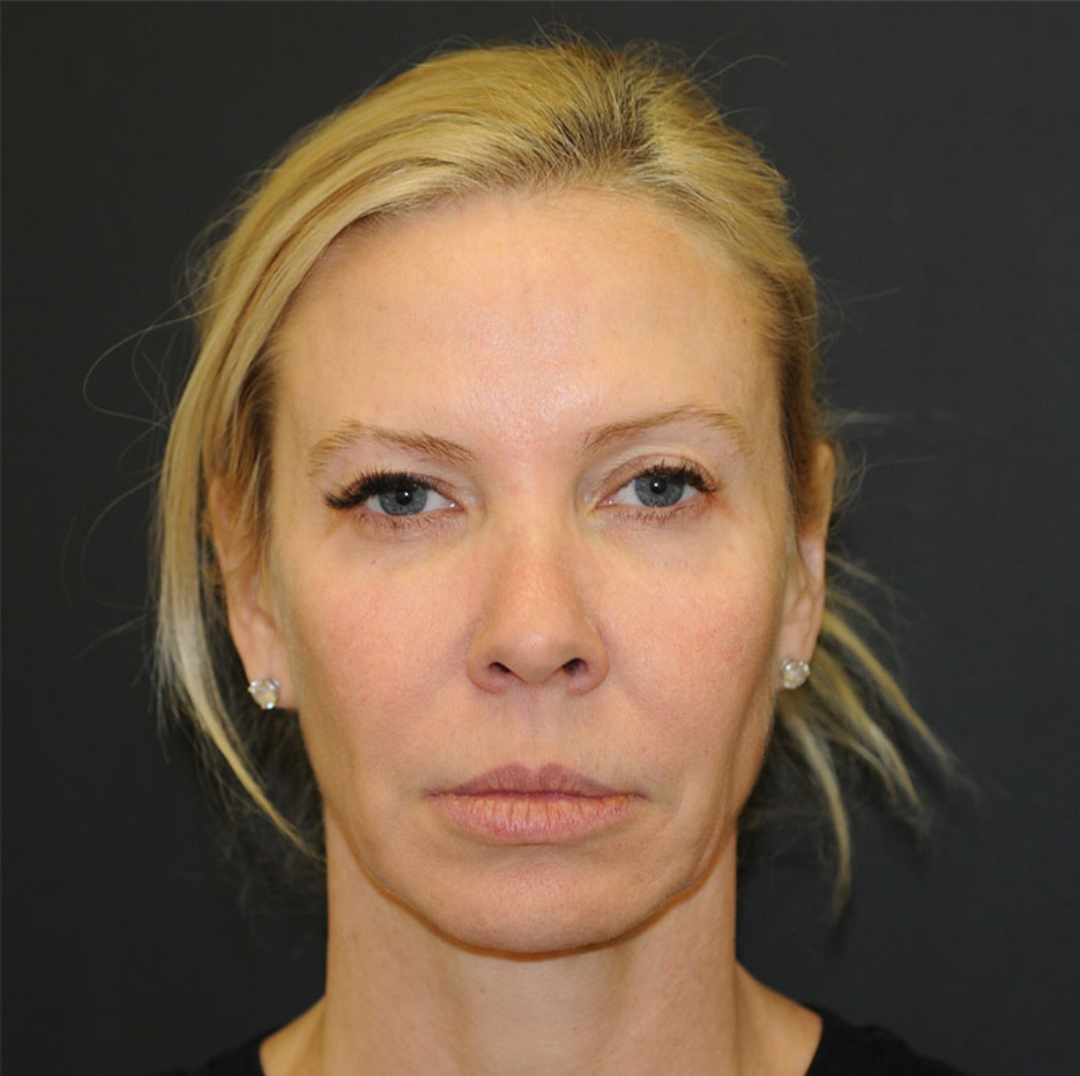
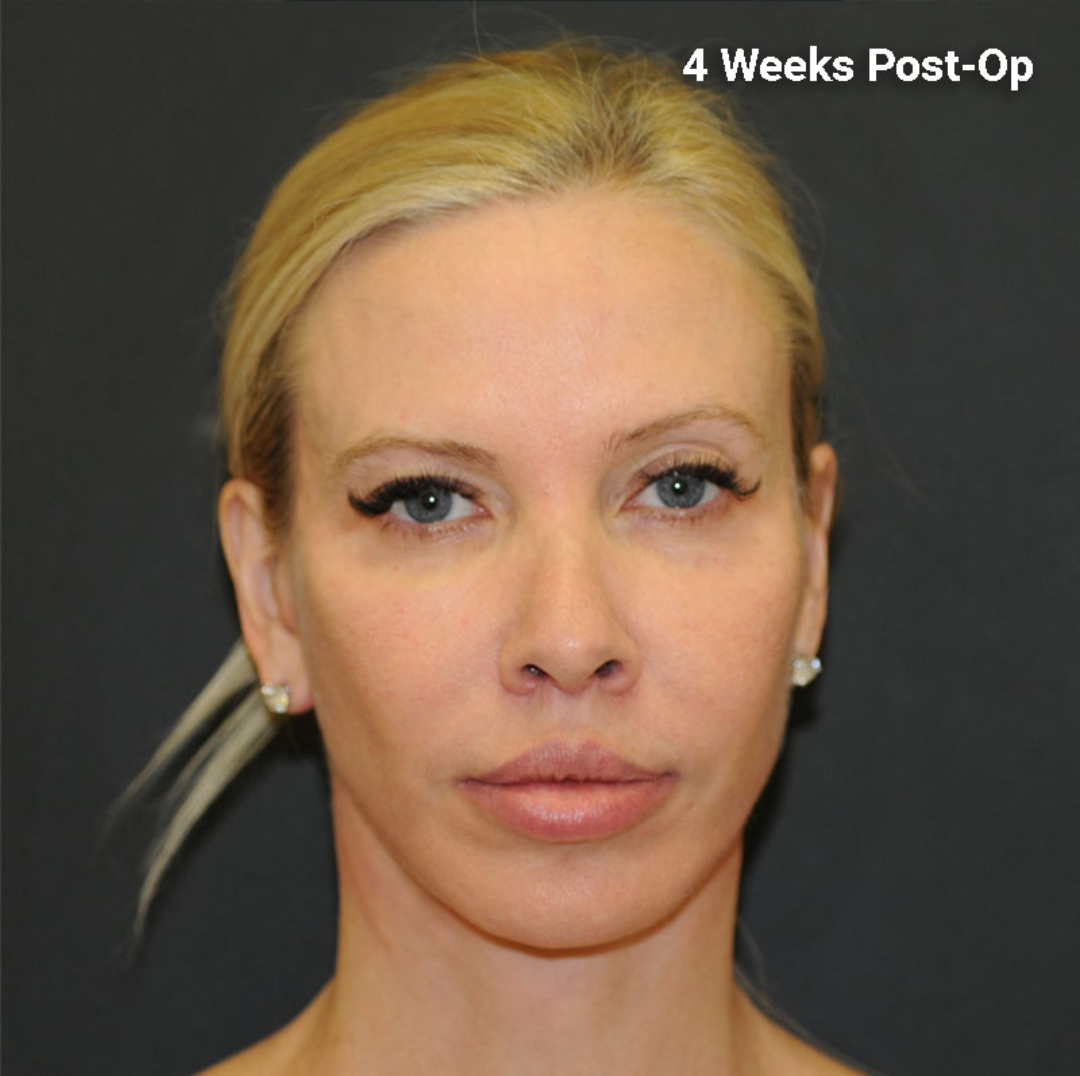
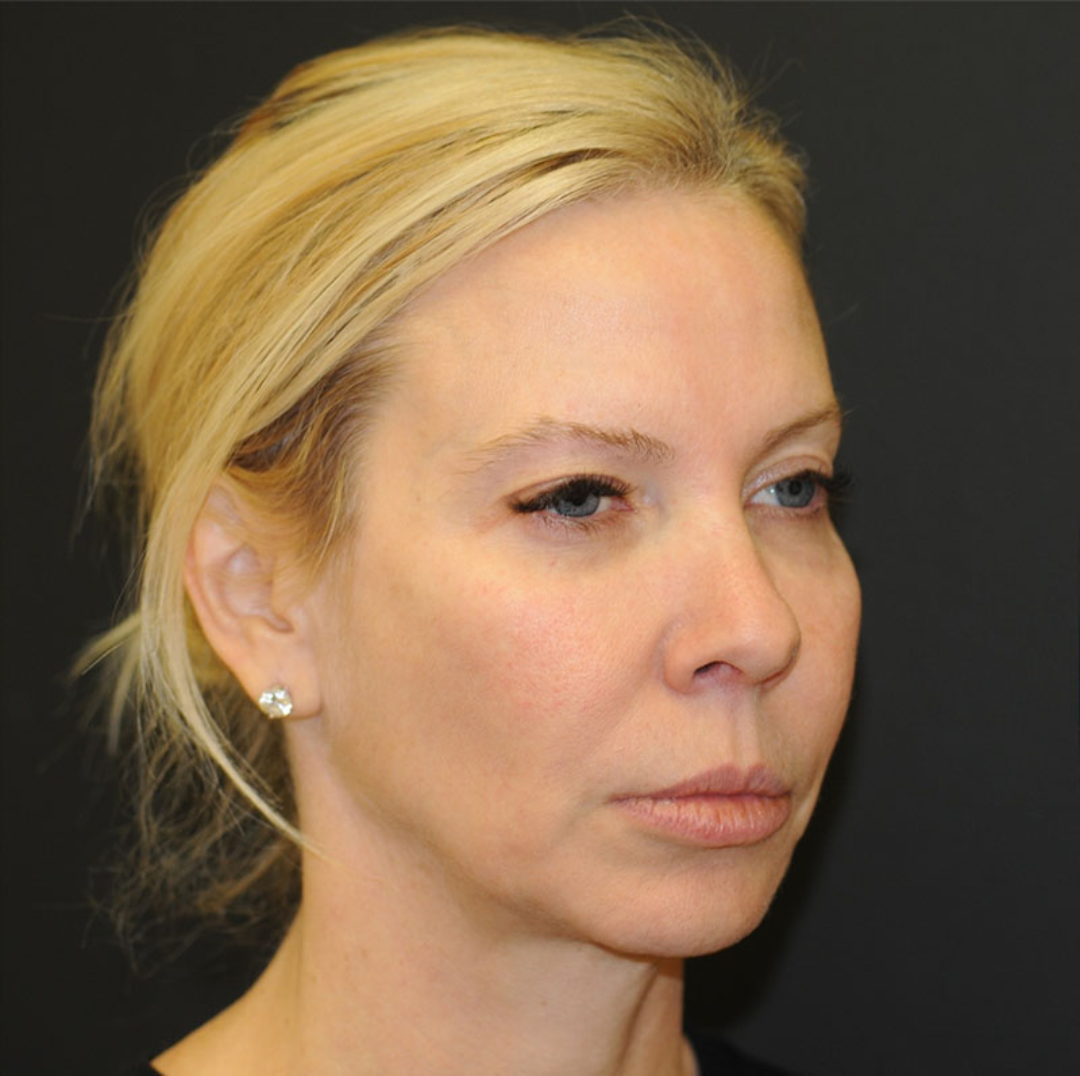
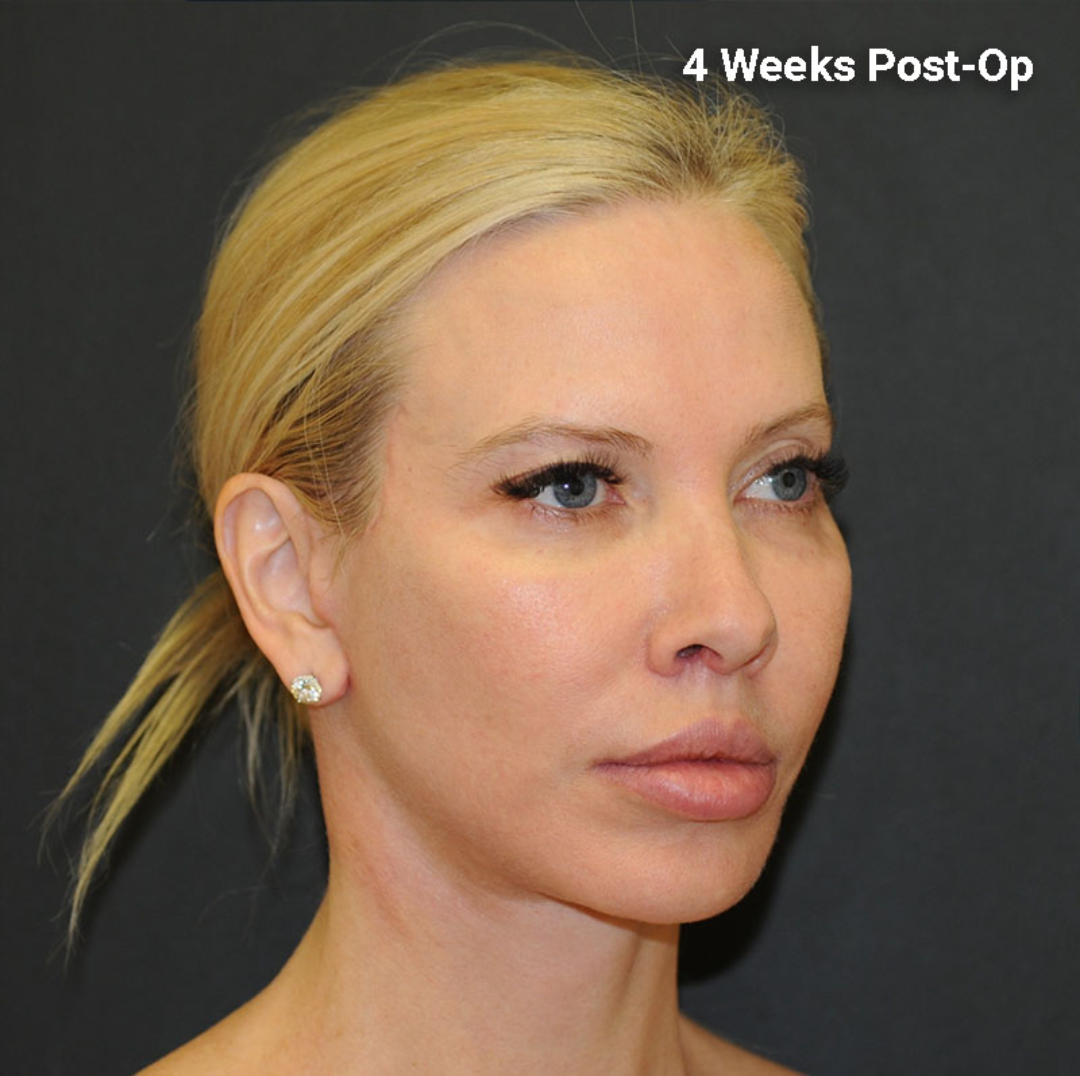
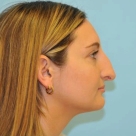
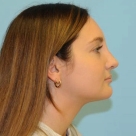
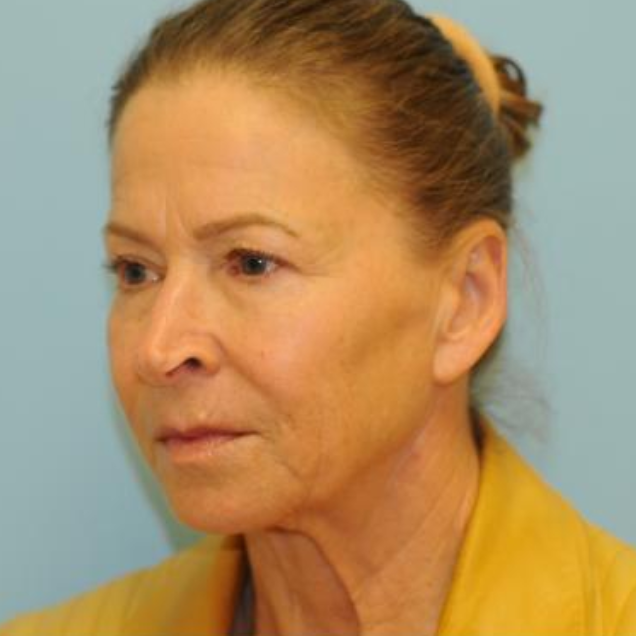
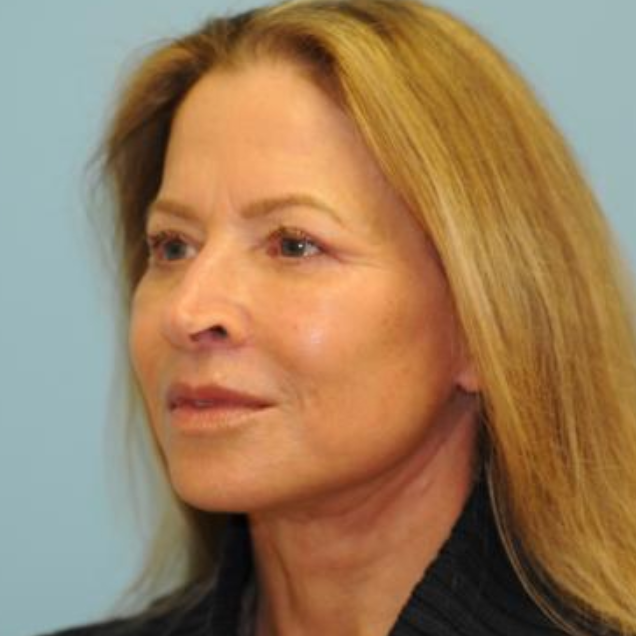
Mother of the Bride Facelift: How Elaine Got Her Glow Back

Summary
Elaine, a nurse who once worked with Dr. Anthony Berlet in the St. Joseph Health Care System, has trusted him for more than 30 years. In the 1990s he treated her smile lines with fat injections instead of filler, and in 2008 she chose a breast reduction with lift rather than implants.
She also tells host Kerry Berlet how Dr. Berlet, on call at the hospital, repaired her teenage daughter’s lip after a field hockey ball tore it apart, leaving no visible scar.
When her other daughter got engaged, Elaine, then 64, felt she looked tired. In February 2025 Dr. Berlet performed a facelift (his form of a deep plane facelift) with a neck tightening, ptosis repair and upper eyelid surgery, earlobe reduction, and SMAS tissue grafted into the lips, followed months later by fat grafting to her hollow temples. She shares her recovery tips, from sleeping upright and taking her vitamins to switching to satin pillows, and says her peripheral vision improved too.
Dr. Berlet explains how fat grafting has been refined since the ’90s, why he did not need a lower eyelid surgery or lip lift for Elaine, why he prefers to stage fat grafting after a facelift, and why mothers of the bride should ideally finish at least three months before the wedding.
Transcript
Kerry: Hello, welcome back to Once Upon a Surgery, the show where real patients share their personal stories behind their transformations. I’m the host Kerry Berlet, wife of world-renowned plastic surgeon Dr. Anthony Berlet. And today, I would like to welcome our guest, Elaine. Thank you for coming, Elaine. Cheers.
Kerry: Interesting. Elaine has known Dr. Berlet for decades, and I’m really interested to hear about the different procedures through the years, starting with, you said there was one in the ’90s.
Elaine: Yes. In the ’90s, I had fat injections done in my smile lines.
Kerry: Okay. So, they were doing it back then, and Dr. Berlet was doing it back then.
Elaine: Yes, Dr. Berlet. I was upset because they were really, really…
Kerry: Was there not Juvéderm then?
Elaine: I didn’t even… I went to go see Dr. Berlet because I worked with him at one of the hospitals in the St. Joseph Health Care System.
Kerry: Okay. Because you’re a nurse, right?
Elaine: Yes, I am a nurse. And so I went to go see him because I was distraught because of these deep lines. So when I went to go see him, he suggested that I have fat injections. He didn’t believe in the Juvéderm, and he believed in the fat injections. They would last longer.
Kerry: Uh-huh.
Elaine: So, I did try for that.
Kerry: Yeah. And he still prefers fat over those fillers.
Elaine: Yes.
Kerry: Yeah. There’s a lot of bad fillers going on.
Elaine: And it lasted quite a long time.
Kerry: So… oh, really?
Elaine: Yes. I did not have to go for an additional fat injection.
Kerry: So, was that the only thing? So, you did the fat injection, and then didn’t see him again for years, or you still worked with him, maybe?
Elaine: So I saw him again in 2008, and I went for a breast reduction.
Kerry: Okay.
Elaine: So I was unhappy, after being a mom of two, and I was a lot larger than I wanted to be.
Kerry: You look so thin now. It’s like, I mean, I would never have imagined that you, you know, would need that.
Elaine: Yeah. But I went for a consultation, and I wanted the breast reduction. I’m glad I got the reduction, because I was very happy with it. My husband at the time wanted implants, but I did not.
Kerry: And it was… that’s amazing. You were, like, before your time, because now I feel like that’s kind of what’s happening now.
Elaine: I needed to do what was comfortable for myself. I knew that I would not feel comfortable with the implants, and I knew what was right for my body.
Kerry: Right. So it was just, like, a lift, like a breast reduction with a lift?
Elaine: With a lift, right? Yeah. Yes. And I was extremely happy.
Kerry: That’s amazing. Had you lost weight, or it was just because of the kids, like pregnancy?
Elaine: It was because of the kids. And I did lose weight, and with the weight loss, too.
Kerry: So, it was a little bit of gravity helping, right?
Elaine: Exactly. Yep. As it happens with all of us.
Kerry: Yes. Yes. And, I mean, we’ll get to… I’m just looking at you, and I’m like, you look so young that it’s crazy that you would have gone to him in the ’90s. But we’ll get to the next procedure, so you’ll understand. But then, in between that, you said there was something with your daughter.
Elaine: Yes. Oh my gosh. My daughter in high school was playing field hockey, and I got an emergency call at work that she had an injury. And I get to the field, and she just has this gauze over her face, and she takes it down, and it looked like she had a cleft lip. The field hockey ball at a high speed hit her mouth, and it was just torn apart. So, I took her to the hospital, and thank God Dr. Berlet was on call.
Kerry: He was on call at that hospital, because he doesn’t do that anymore. So this was, again, for her, it was…
Elaine: Sometime between 2011, 2013, I believe.
Kerry: Okay.
Elaine: And he was on call. I got scolded a little bit, because he knows I had his phone number, and he wanted me to call him, because the lighting in his office was much better.
Kerry: Right. Right.
Elaine: Because I had been going to him for, you know, several things. He knew me. But he did a beautiful job, and it was wonderful to see that her lip looked the same.
Kerry: Wow.
Elaine: So, it was just, you know, the treatment for her afterwards was just massaging her lip.
Kerry: And is there any scar now?
Elaine: No. No scar. No, not at all.
Kerry: There’s the Boston. That was the Boston [accent]. I heard the “scah.” I like it. I like it.
Elaine: Thank you.
Kerry: But no, that’s, I mean, that’s terrifying. And, I mean, you see people, I’ve seen people who are bitten by dogs and then sewn up by a bad plastic surgeon. They have, like, you know, scars. So, like, when there is a lip injury, you have to have someone, like, do it just right. So…
Elaine: Oh my gosh. You know, when we were driving to the hospital, she wanted to look at her face, and it was like I was trying to prevent her from doing that. And when she saw, you know, her face, the trauma and the fright…
Kerry: Yeah.
Elaine: So, when she was repaired, you know, she was able to smile again and be so thankful.
Kerry: So, how long was that? Like, could she not smile for a while?
Elaine: Like, she was, you know, for a little while she was sore, and there was some swelling for a bit, but, you know, it didn’t take long for her to heal.
Kerry: Okay.
Elaine: Yeah, she did well.
Kerry: Okay, that’s scary. And now, is that the same daughter who is now engaged?
Elaine: So, my youngest had that surgery done.
Kerry: Okay.
Elaine: Yeah. She’s in Nashville right now.
Kerry: Okay. Right. Right. But no, and is that the one? So she’s married now.
Elaine: She’s married.
Kerry: Okay. All right. So then it’s the other daughter who just recently got engaged.
Elaine: Yes.
Kerry: Okay. Got it. Got it. And so that’s, again, so this then… so she got engaged when?
Elaine: In December of last year.
Kerry: Okay. And then what happened in February?
Elaine: February. I decided I was unhappy with some of… gravity just seems to travel and likes to follow me.
Kerry: It follows everybody, by the way.
Elaine: So I didn’t… I looked tired. I looked really tired. And her wedding is in October of this year.
Kerry: Okay.
Elaine: In 2025. So I decided to see Tony again. I’m sorry, Dr. Berlet.
Kerry: That’s okay. Yeah, you’ve known him for, like, 30 years.
Elaine: So, I did see him again for a consult, and I had jowls and didn’t like the jowls, and had some, you know, sagging, you know, in other areas. And I didn’t realize I had ptosis of the eyes, and I needed eye surgery too. I also had my earlobes taken care of. And so, yes, so I did have the deep plane.
Kerry: Uh-huh.
Elaine: And had a little piece of… he put something in just above my lip.
Kerry: You did the SMAS? Is that it?
Elaine: Yes.
Kerry: That’s the thing he does now. And, like, in the lip, right? So it just gave you a little more volume.
Elaine: Yes.
Kerry: So he takes the little worm-like thing and sews it in, right?
Elaine: Yes. Yes, he did that too. So I just had the upper… gosh, upper blepharoplasty.
Kerry: Thank you.
Elaine: Yes. Yes.
Kerry: Oh, I don’t know how you would say it in a Boston accent. You can’t, you don’t say your R’s.
Elaine: Well, still, it still will come out the same. Yes. Yes. So, but that was done. And when I look at my before and after pictures, I’m, like, amazed, because I don’t look the same. Really amazed. And when I went back to work, like, my secretary says, you know, “I know you had your eyes done, but you look refreshed. Like, you look really refreshed.” And my friends say I look at least 10 years younger than my stated age.
Kerry: So, so what’s your stated age?
Elaine: I’ll be 65 in four months.
Kerry: Wow. Yeah. Oh my god. I mean, and I didn’t know you before, but you look so young.
Elaine: And that’s what I wanted. Thank you. That’s what I wanted to present, you know, because I don’t feel my age. I’m very active, and my mind does not act, you know, my age.
Kerry: So, right. Well, it’s, like, it’s funny, and it’s, like, the perception of how a certain age should act. But that’s what I think, is that you feel, you know, you still feel young on the inside. And then you look in the mirror, and there’s, like, you know, this old face people see, right? Or whatever it is. And you’re like, this isn’t how I feel. Like, I feel better than this. But then when you look at that, then it’s almost like this cycle of, like, then you start to… oh, I should… like, you know, it becomes part of, like, the mental, you know…
Elaine: It does. It does. And you wake up in the morning, and when you have this older, drawn-looking face, you just say, “But this isn’t me.” You know, I act, you know, younger. I feel like I’m in my 40s, and I just want to look like I’m in my 50s, you know? I’m happy with that. And the results that I received, I think I do, you know, I think I look like I’m in my 50s. So, I’m really happy.
Kerry: So, yeah. And it’s like nothing… you did all the… I mean, it all seems, looks so natural, you know? I mean, and, like, I love what he does with the lips now, because, you know, there are so many bad lips… not that he does, but just that I see from other, you know, procedures people do. And it’s just, I mean, you would never think that you had done anything.
Elaine: Yeah. Because you look natural, you know. And my face isn’t super taut, and my lips look natural. They’re, you know, not inflated. And my eyes look… they’re open, and, you know, they’re not, like, pulled back. And he just does an amazing job, and he just made… I feel beautiful again.
Kerry: Mhm. But it’s funny, because I just made the connection of your daughter getting engaged. And then maybe it wasn’t conscious, but he says, like, this is a thing. Because people talk about, oh, procedures people do before their weddings, and he’s like, well, you know, if it’s an older bride, that’s one thing, but generally it’s the mothers.
Elaine: Yeah. And I mean, maybe it was, you know, that facelift, maybe in the back of my mind, wanting to do that, you know, before her wedding, and, you know, perhaps.
Kerry: Yeah, perhaps. And then, so how long… so you did three procedures at once? So you said also the ears, that that’s always part of it, too. They’re so, like, tiny now. And, though, he never… oh, does he need to re-pierce them now?
Elaine: I know. I was like, I have no piercings, right?
Kerry: No? So, he has to… oh. Oh, they weren’t pierced before?
Elaine: They were.
Kerry: Oh, they were. Okay.
Elaine: They were. And I’m like, how am I going to wear, like, the earrings for the wedding now? I need to…
Kerry: Oh, no. No, he’ll pierce them.
Elaine: Really?
Kerry: Yeah. That’s… so, he did. Yes. So, that’s what he does, because, you know, he shortens the ear. Now, you have to go back, and he pierces the ears.
Elaine: Okay.
Kerry: Yeah. So, so now you go back, and he’ll pierce your ears.
Elaine: That’s good to know. I didn’t know that.
Kerry: No, that’s part of it. All right. So, good. So good you came, because you would have just thought, “Oh, now I don’t have…” No, he himself, and he will do the best job and make sure they’re even.
Elaine: Oh, I know he will. I know he will. I trust him.
Kerry: So, right. Right. And, like, so before you went, did you know anyone who… well, you worked… so, I’m sure you know other nurses who have had facelifts with him, or did you have other friends, or, you know…
Elaine: I didn’t ask. I just knew that, you know, I trusted him with my reduction and with what he did for my daughter. So, you know, why would I go to anyone else?
Kerry: Right. Right. You know.
Elaine: Yeah. And so people have seen the work that was done. And there was someone that I did go to for Botox, and she’s been giving his number out to everyone, and has referred some of her clients to Dr. Berlet.
Kerry: So, right. No, I mean, it is. And was it… and did you say it was both, both the… did you do lower, or you didn’t need lower?
Elaine: I didn’t need lower.
Kerry: Yeah, because, I mean, your lowers, I mean, it just naturally must be good. And so then, but the uppers, I mean, they look like you have, like, really bright… like, your eyes, you know, look very youthful.
Elaine: Yes. And you know what, my peripheral vision also improved. So that’s an extra bonus.
Kerry: Wow. I know. Because maybe he opened them up more. Well, because that’s the thing, is because as you age, you get that hooding, and then people can’t open their eyes the whole way.
Elaine: Exactly. Yeah. Yeah. So it’s like I’m safe on the road again.
Kerry: Right. Wait. And how long were you out of work when this… because I know the eyes, you’re bruised. Like, that’s the main…
Elaine: The eyes are bruised, and I was out for a few weeks.
Kerry: Okay.
Elaine: I took some time.
Kerry: Okay.
Elaine: And so I was okay.
Kerry: Like, and how long before you felt like… because, like, you took time off work, but then how long before you felt you could go out in public?
Elaine: I decided to take at least four weeks off.
Kerry: Oh, wow. So, okay.
Elaine: I was able to… I had the time to do so. And I have to… just to advise everyone that, take the time and follow instructions. You know, sit up. If you need to sit up and prop yourself up and sleep upright for two weeks, sleep upright. Take the vitamins that, you know, are prescribed, and the arnica. I asked to take vitamin K. I was allowed to take vitamin K, and that all helped. And satin pillows.
Kerry: Really?
Elaine: Yes. Satin pillows.
Kerry: Oh, interesting. Why does it… for the, just, as you’re healing? What is it about the… like, why?
Elaine: Well, when I first started to sleep on regular pillows, I ended up pulling one of my sutures.
Kerry: Oh.
Elaine: So, the pillow was a little rough, even though they were soft. So, for a while there, we were watching one of my eyes, just to see if I needed to do a revision. So, I opted… you know, I was doing, you know, reading some things, and I opted to go for the satin. I should have gone with the satin pillows from the get-go.
Kerry: Oh, that’s good to know.
Elaine: Yeah. So, that way I was sliding.
Kerry: Well, I’ve heard it’s good for your hair, too.
Elaine: Yes.
Kerry: But yeah, you have it, and then you’re like sliding all around.
Elaine: Yes. So, but, and you know what? Just be patient, too, with the eyes, because it takes time, right, for your eyes to heal. And though you might think the, you know, the symmetry is off for a little bit… but no, it looks perfect.
Kerry: Nature takes it…
Elaine: You need to let nature take its course. You know, time takes time, and it works out, you know, and your eyes will work out, and they’ll look beautiful.
Kerry: And did he have you doing the exercises, where you, like, squeeze?
Elaine: No, I didn’t have to do any exercises. No, I just had to be patient. I just had to be patient, because I’m very… as a nurse, you know, you’re looking at the healing, and, you know, like, at one point, you know, why is one eye, like, opened a little bit more, and the other eye isn’t? And it was, you know, each eye healed at a different time. So I had to trust the process.
Kerry: Right. Right. Right. Yeah. How did your daughters feel about you getting a facelift, or did they know?
Elaine: So, I told them I was going to do it. And at first, their reaction was hesitant, but they supported, you know, what I wanted to do. And if it made me feel better, they were all for it. When I decided to go back for some fat injections…
Kerry: Oh, I was going to ask if you had done that, too. And that’s amazing, too, right?
Elaine: So, I had lost some weight, and I had some deep pits in, like, in my temple area. So, I wanted to get some fat injections, just to supplement, because of the weight loss I had during… after the procedure. I had, you know, lost, like, 20 pounds.
Kerry: Oh my gosh.
Elaine: So, it was something I had wanted to do. So, I had some fat injections done, and my youngest was upset.
Kerry: Oh, really?
Elaine: She was upset. She didn’t want me to do any more plastic surgery. And I tried to explain to her, and when she came for a visit, she understood that I needed to have this done, to fill out my face a little bit. And then when she saw me in person, after the face, you know, had injections, she realized it was natural looking. You know, you wouldn’t even know right now that I had fat injections.
Kerry: No. And I could tell, like, you have a similar… like, I’ve had it too. Like, you just have that type of face where, like, it helps, like, that extra volume, you know, and it is very natural. You don’t look like a chipmunk, and, you know, right? It’s not like there’s, like, fullness that just, like…
Elaine: Yeah.
Kerry: …makes you look fake. And I know everyone’s afraid of, like, oh, the bad plastic surgery, you know.
Elaine: No, not at all.
Kerry: It’s, right. And it’s not like, oh, you’re insane, now you’re getting another thing. Like, this is all adding to, like, just helping you look youthful, and, you know, and, again, very natural.
Elaine: It is natural. Natural looking. Yes.
Kerry: Right.
Elaine: So, and again, I put my trust in Dr. Berlet. So, when I looked, you know, in the beginning, you look at the injection, and he said, right now, you know, some of it… it’s going to, 35%, it will, you know, recede, but then it will naturally… you’ll increase your volume of fat eventually, so it looks natural. And I’m happy.
Kerry: Mhm. No, and I feel like, since I’ve done it too, like, it just somehow rejuvenates something. It really, like, the appearance of your skin. I feel like it helps, like, it gives an extra little glow or something.
Elaine: Yes, it does. Yeah. And that’s what everyone says, you know, my skin looks really smooth. You know, no wrinkles.
Kerry: Yeah. So, at 65, I mean, that’s amazing.
Elaine: Yeah.
Kerry: So, and I mean, do you look at pictures now? So, like, do you look like you looked in your 50s now, or do you look better than you looked in your 50s, you think?
Elaine: I think I look better.
Kerry: Right? It’s like a younger, but better, version.
Elaine: Yes.
Kerry: Yeah. It’s funny, because when I look at some of… yeah, just when I was younger, you’re like, “Wow.” It’s like, somehow, it’s almost like you can look better when you’re older, if you do it right.
Elaine: I look at some pictures, even when I was in my 40s, and I look now, and I’m like, there is that glow.
Kerry: Mhm.
Elaine: You know, and the light that you even have in your eyes, and, you know, the sparkle, you know, the glistening. It’s, you know, it’s just because you’re happy, right? You know?
Kerry: Yeah. Yeah. Well, I mean, this is… I feel like you look amazing, and I, like, you’re going to look great in those wedding photos. And, like, I mean, it’s like, I would never have thought… like, I mean, you just look like you’re naturally thin. I don’t know. I mean, not that 20 lbs is that much, but, like, I feel like you’re, like, your optimal self, like, ready to, you know… hopefully you don’t take away from your daughter. You don’t want to overshadow or upstage the bride.
Elaine: But yeah.
Kerry: I mean, and so, I’m very thrilled that you kept Dr. Berlet, you know, in mind. And I’m so happy to have met you. And I hope you can inspire other people who might be considering, you know, having a facelift, that you can do all of these things, and it’s not that you look plastic. Like, it’s really… he likes to say it’s, like, almost just like you were tailored, right?
Elaine: You know, if people go on Dr. Berlet’s website, you’ll see the before and after photos, so you’ll definitely see the difference.
Kerry: All right. So, we have brought Dr. Berlet in to dive a little deeper into some of Elaine’s procedures. And so I’m interested to hear from you, because I didn’t even know that fat grafting existed in the ’90s. And she said she came to you in the ’90s, and rather than filler, even then you did fat grafting, which still is a preference of yours, right?
Dr. Berlet: Yes. Fat grafting is obviously superior. The techniques now have been refined so much that it really has become a beautiful, elegant procedure, where you can actually put the fat into the eyelids and around the eye without the issues of clumpiness or…
Kerry: So, what’s changed? Like, is it the needles, or what you do with the fat, or both?
Dr. Berlet: What we do with the fat is pretty simple. Just basically get the oils off, and break it down to make more of a pure form. But now we can actually change the size of the fat cells that we’re putting in, or the clumps. So you can break it down. There’s something that you put between the syringes, and you go back and forth, and it can emulsify the fat to the point where it’s just stem cells and exosomes. Or you can get it to, like, very small cells that are together, versus bigger clumps.
Kerry: So interesting.
Dr. Berlet: So it’s much more refined, and that way it’s much more exact, and you can get it so fine that you can literally put it into the eyelids… you know, things, beautifully, into the temples. The fat was a little bit bigger before. The cannulas were much bigger, much bigger than what we’re really using. Right, you’d use, like, a 16 gauge needle to put them in, in the past, which was a special needle. It would come out the side versus the tip.
Kerry: Mhm.
Dr. Berlet: Because the thing with fat, or any injectable, is you’re worried about something called embolism, where the fat can go into a vessel and then go to the end point and actually kill whatever tissue that vessel would be feeding. So that’s a, you know, that’s a serious complication, but it’s rare.
Kerry: Okay.
Dr. Berlet: And now it’s very rare.
Kerry: Yeah. And what’s interesting, because she said you put it in her smile lines, and so, back in the day…
Dr. Berlet: Back in the day.
Kerry: Okay. Because I was going to say, because you’ve done fat grafting on me, and you’ve done it in my cheeks, like, you know, temples, or whatever, but never smile lines. So, why, what’s changed with that?
Dr. Berlet: Well, I’m not a big fan of chasing nasolabial folds.
Kerry: Uh-huh.
Dr. Berlet: I do like the marionette lines. I think they’re a great place to put it.
Kerry: Okay.
Dr. Berlet: This can tend to get almost artificial.
Kerry: Okay.
Dr. Berlet: Because you’re supposed to have some differentiation between your lip and the cheek. And usually most of the problems you have with the cheek isn’t so much the crease here, but the roll that’s created by the loss of volume.
Kerry: Okay. Right.
Dr. Berlet: So if you fill this volume, it blends it better.
Kerry: Okay. It might have been the marionette lines, then, that you did.
Dr. Berlet: Well, I may have done the nasolabials back then, too. Because, like everything else, you know, you’re learning and evolving, you know, as things go.
Elaine: I forgot that we did that.
Kerry: Yeah. You’ve known her for 30 years.
Dr. Berlet: Yeah. That’s crazy. Actually, maybe more.
Kerry: That’s amazing. I mean, like, she looks… I was like, I can’t believe, like, she looks so young. Like, I would never think that she would have done, you know, something in the ’90s. You know, like, that’s crazy.
Dr. Berlet: Well, maintenance.
Kerry: Yes.
Dr. Berlet: It’s all about good maintenance.
Kerry: Back then, too. Yeah. Yeah. And then, and do you remember when her daughter came in, and you were on call, and you fixed her daughter’s… she had gotten in a softball accident, right?
Elaine: Field hockey.
Kerry: Softball… field hockey. Field hockey. It looked like she had a cleft lip.
Elaine: Yes.
Kerry: Did you even remember that you did this?
Dr. Berlet: No.
Elaine: That’s okay. You did a wonderful job.
Kerry: She looked like she had a cleft lip, and you did a lot of those in the day.
Dr. Berlet: Yeah.
Kerry: Yeah. You actually… that was something that you specialized in, was cleft lips.
Dr. Berlet: Yeah. Not a lot of them.
Kerry: Yeah. And so she was so lucky that you were on call. Because I was like, was that how you found… or was it through… because she was mad. She said that she was… you were mad, because you had better lighting in your office.
Dr. Berlet: Oh, yeah. I wish she had called.
Kerry: Yeah. And you wish that she had, like, called you, because, like, at the emergency room, you can’t see as well, or whatever, right?
Dr. Berlet: The instruments aren’t nearly as good, either.
Kerry: Okay. But so is that advice? It’s like, if you know a plastic surgeon, and, you know, it’s just stitches, right? You might, like, if you’re able to pull them off the golf course, or whatever, whatever is happening.
Dr. Berlet: Try to… I’m there for my friends and my patients. Always there for them.
Kerry: Yeah. Right. Well, we… and we hope that…
Dr. Berlet: As long as I’m in town.
Kerry: What’s that? Yeah. As long as you’re in town. Yeah. And so then, so now, so she is, like, it’s the classic mother of the bride facelift. You know, her daughter was engaged in December, and then, you know, you saw her in February for this work. And then, so, as far as, like, what you did, like, right, the face. Like, do you want to talk about the procedures? Like, so she’s had a facelift and the eyes. Lip lift, or no? Did you do a lip lift?
Dr. Berlet: No. No. No lip lift.
Kerry: But you did the SMAS.
Dr. Berlet: Yeah.
Kerry: That’s what she was saying. Yeah, the SMAS. And then ear reduction, which, by the way, she didn’t know that she could pierce her ears again.
Dr. Berlet: I don’t know how that’s…
Kerry: But wait, can we see your ear? Like, look how your ears look so nice.
Dr. Berlet: Yeah, they were low.
Kerry: Well, that’s… well, that’s what you say, right? Is that people, I think, they have to address it. You know, it’s one of those things that is… they look like…
Dr. Berlet: Yeah. Like children’s… like ears, like, really, that’s a youthful-looking ear.
Kerry: Yeah.
Dr. Berlet: But it also makes your neck look longer. You reduce some of those lobes.
Kerry: Yeah.
Dr. Berlet: You know the old saying, right? Do your ears hang low?
Kerry: To and fro, right?
Dr. Berlet: You tie them in a knot, and you tie them in a bow. Right.
Kerry: Yes. Wait. And you were… tell, talk about her eyes.
Dr. Berlet: So that was actually my biggest concern with you, because when you came in, you were kind of half-lidded. You know, you look very, you know, you look like you’re stoned, to use the expression. You’re not, but, but you’re, you know… what happens sometimes is the muscle that lifts the eye gets attenuated.
Kerry: Mhm.
Dr. Berlet: So you literally can’t open your eyes all the way. So you look tired all the time.
Kerry: If I look at her, she says it’s bright eyes now. So…
Dr. Berlet: Well, we fixed it. That’s the whole point. So that’s a ptosis repair. So she had severe ptosis of both lids. She had, you know, the bags. She had some volume, a significant volume loss in her face.
Kerry: But so she had the bags, but you didn’t do a lower bleph. You said no.
Dr. Berlet: No. We could, right… so you could just address that with fat.
Kerry: So…
Dr. Berlet: But her ptosis, her upper lids, were significantly an issue. So, but you were able to blend the loss of volume in the cheek with this, but she didn’t have a lot of fat around the eyes. So that was good.
Kerry: Uh-huh.
Dr. Berlet: So you can blend it enough that you don’t really need to do a lower.
Kerry: So, because how do you know? So she had bags. So what’s the differentiator between someone who needs a lower blepharoplasty and who doesn’t, that you’re able to just, like, fill in with volume?
Dr. Berlet: Well, if they have a lot of… yeah. If the bags are large, in terms of, like, large, they’re fat pads that create the bags.
Kerry: Okay.
Dr. Berlet: So if those fat pads are large, you can’t camouflage them.
Kerry: Okay. Right. You don’t have many bags on your lower lid.
Dr. Berlet: Right.
Kerry: But so, and so can you, as well, can you tell that before? Like, so you can tell from looking at someone whether they need the lower bleph or not, like, by the fat pad things?
Dr. Berlet: It’s not subtle.
Kerry: Okay.
Dr. Berlet: No, usually pretty bad.
Kerry: Okay.
Dr. Berlet: The lower lids, you know, lower lids are more difficult.
Kerry: Right. Right. Okay.
Dr. Berlet: Uppers a lot more difficult. Although if you’re doing a ptosis repair, that’s a little more involved. Instead, you have to dissect out the muscle, and really break down the anatomy, and then put it all together.
Kerry: Okay. And so, she is 65. So that, to me, sounds like that’s actually on the older side for when people usually get their first facelift.
Dr. Berlet: Having known you for 30 years, I’m just saying.
Kerry: Well, right. Or what’s the typical age?
Dr. Berlet: Typically, facelifts start in the later 40s.
Kerry: Okay.
Dr. Berlet: And that’s because, you know, everybody ages differently, but usually around 50 you start losing ligamentous support. Like, before that, you can kind of fake it with, you know… so people, a lot of people use fillers, because that’s their only tool, right? I like fat. But you can sort of put things, you know, just fill out the volume, because loss of volume is what really occurs from, like, basically 35 to 50. But then after 50, all of a sudden, you look in the mirror, you go, “What happened? I got jowls.” You know, they weren’t there before. And so the jowls, and they keep getting worse, and the neck starts hanging a little bit more. So that’s around 50. So that seems to be the turning point. And then most people, you know, the seed is planted then. So 55 seems… they pull the trigger.
Kerry: Right. Right.
Dr. Berlet: And some people a little bit later. It’s all good.
Kerry: Mhm.
Dr. Berlet: You know, the range is literally late 40s to late 70s.
Kerry: Okay. Interesting.
Dr. Berlet: Usually late 70s is a redo, but…
Kerry: Right. Right. Right. Right. Right. Yes. And is there any… so, because, like, had she… like, doing one for the first time at 65, like, would you say… because sometimes you say it’s actually better when it’s a second facelift, right? Or, like, is there any difference, like, you know, in terms of… I mean, she looks so young. But had she done one earlier, would she be needing another one now? Like, or…
Dr. Berlet: There’s various schools of thought. I mean, obviously, when you’re younger, your skin has a little more elasticity to it, so you can get away with a little bit more. And it’s much harder to make a 70-year-old look like they’re 50 than it is to make a 50-year-old look like they’re 30.
Kerry: Oh, really?
Dr. Berlet: Yeah. So…
Kerry: Huh.
Dr. Berlet: Well, it’s just that, you know, the skin’s not the same.
Kerry: Interesting.
Dr. Berlet: But, you know, we’re attacking age, or whatever you want to call it. But we address, you know, the volume loss, which is really important.
Kerry: Mhm.
Dr. Berlet: We’re repositioning everything. So, you know, you’ll hear about… I mean, there are really almost 11 facelift types that are described. Some people say, “Ah, I want the deep plane. I want this, I want that.” But yeah.
Kerry: Yeah. So, and was hers a deep plane?
Dr. Berlet: It is a form of a deep plane for the face.
Kerry: Uh-huh.
Dr. Berlet: But I do not do a deep plane neck lift. I don’t feel comfortable picking out the glands of the neck.
Kerry: Okay.
Dr. Berlet: Too high risk. Very high percentage of nerve injury. Very high percentage of something called a sialocele. If you’re taking out salivary glands, you can literally collect saliva in your neck, which is…
Kerry: Okay.
Dr. Berlet: Takes months to resolve. So, okay, I don’t know if it’s worth it. We’re all trying to be happy here, right? You know, I don’t know. Perfection doesn’t really exist, but it can be… but you can get dramatic improvement.
Kerry: Really? What did you do for my neck?
Dr. Berlet: Well, we took the fat out, and we reset the platysma. We reset it. So, we reset it back this way. So, it really accentuates the jawline.
Kerry: Mhm.
Dr. Berlet: We literally take out about that much tissue of something called the SMAS, which is the deep tissue. That’s what went in your lip. And then we take a strip of that, and we thread it into the lips, just because it’s a perfect delivery system. It’s, you know, basically fat connected by fibrous tissue, and you can throw it in the lip, and it just sits perfectly, so you don’t get that sort of a lump here and a lump there.
Kerry: Yeah. Really nice.
Dr. Berlet: And it’s a good take. Usually pretty decent take. Gets a good volume.
Kerry: Amazing.
Dr. Berlet: Now, you have the trauma, the initial tissue, but once that settles down, everything sort of falls in perfect place.
Kerry: Okay. And then, and so she said you also did the fat grafting, right, after the facelift. Do you… is that typical? Like, is it every patient who gets the fat grafting, or just specific ones?
Dr. Berlet: Well, in reality, every patient needs fat grafting. Not every patient gets it, because they just don’t do it. I personally prefer to stage it, if I have an opportunity. Some people can’t wait, but I would prefer to stage it, only because I feel like I can get into places that I normally wouldn’t get into. If I’m lifting up all these flaps, it limits me from putting fat through here. You could put it very deep, but I prefer to put it where you need it. So, this allows me to put it in many planes versus just one. So, I prefer that.
Kerry: Okay. Interesting.
Dr. Berlet: It’s like putting spackle on. You put the wallboard…
Kerry: All right.
Dr. Berlet: Put the wallboard up, then you…
Kerry: Okay. Excellent. All right. Well, I think you did great work. Like, I was… I’m shocked to hear she’s 65. I’m like, it’s just amazing.
Dr. Berlet: Come a long way. I could tell you, the whole eye, the eyes, was a terrific result, but the fat took it to the next level.
Kerry: Would you say it did…
Dr. Berlet: Takes it to the next level.
Kerry: She… and how long ago was the fat?
Dr. Berlet: Very hollow temples. Very hollow.
Kerry: How long ago was the fat?
Dr. Berlet: I want to say, was it eight weeks ago?
Elaine: Eight weeks ago, maybe.
Dr. Berlet: Yeah. Yeah. I mean, and what happens is, I mean, she had very strong rims, like she was here. She was very hollow in her temples. You know, you have a little bit of hollowing of your lower lids, just as age goes on. So, when you can fill that whole zone through here, it is very rejuvenating.
Kerry: Okay?
Dr. Berlet: And you can put it around the mouth, and you can put it more into the lips. You can break it down to the nanofat and actually put it into each of the individual cracks around the mouth, and that delivers the stem cells and the exosomes. And you can really… it’s magic. I mean, the fat is like magic. You do the face, you go, “Wow, you look 15 years younger.” And then you do the fat: wow, you look 10 more years. It’s really important.
Kerry: Yes. Right.
Dr. Berlet: It’s just another component of aging. You really have to address that volume.
Kerry: Okay.
Dr. Berlet: Super important.
Kerry: Right. And so now, as future mothers of brides, right? When their daughter gets engaged, like, how much time do they have? Like, when should they be doing this stuff, if they want to look good for the wedding? How much… like, basically, yeah. What’s the ideal timing, prior to the wedding, that you’re done?
Dr. Berlet: Ideally, three months, if you have a child that’s going to be married. At least three months.
Kerry: No, at least… ideally you have at least three months before the wedding.
Dr. Berlet: That’s kind of the cutoff, I think, if you have a major, major event like that. I mean, you can be presentable…
Kerry: You say you probably look pretty great in five or six weeks, right?
Dr. Berlet: But the fat just took it to another level, though. That really took it to another level.
Kerry: Oh.
Dr. Berlet: Yeah. That gives you a chance to evaluate that. So, yeah, it would really help you.
Kerry: Right. And so, typically, because she did the fat, if it was eight weeks ago, and the facelift was in February, so that was, like, two months after that you did the fat grafting, about, somewhere like that.
Elaine: Well, I’m at five months right now.
Kerry: Oh, you’re at five months. Okay. So it’s three months after. So about three months. Okay. Okay. Yeah. Okay.
Dr. Berlet: Now, it’s just such an amazing, you know, combination. And if you allow me to stage it, boy, we can tweak things till you’re blue in the face.
Kerry: Mhm.
Dr. Berlet: Hopefully you’re not blue in the face, but, hey, that’s all great.
Kerry: Well, you’re blue when you do the initial tweaking, and then the blue goes away.
Dr. Berlet: A little bit. Not a lot. Not terrible, though, right?
Kerry: Yeah. Awesome.
Dr. Berlet: I mean, I remember you coming in two weeks after your facelift, like, “Holy cow, it was a home run.” You just knew it right away.
Kerry: Yeah.
Dr. Berlet: Just a home run. But it took her to a new level.
Kerry: It did.
Dr. Berlet: And this whole thing is all clean. Beautiful jawline. Perioral, so important, right? The mouth, bringing it back.
Kerry: Mhm.
Dr. Berlet: Yeah. It’s all good. Now, you know, sometimes we’ll do a lip lift. I think she has a little bit of tooth show. I didn’t want to push that.
Kerry: Right. Okay.
Dr. Berlet: So, if they have tooth show, I’m like, “All right, I don’t want to make it too gummy or anything.”
Kerry: Right. Right. Right. Okay.
Dr. Berlet: But she was perfect.
Kerry: Well, it’s nice that you don’t have a one-size-fits-all. Like, you do… like, you’re not like, okay, let me add this and add this and add this. Like, you didn’t force a lip lift on her. Like, it’s just, you know, like, you evaluate each person individually.
Dr. Berlet: Yeah. You have to customize. That’s what it’s all about.
Kerry: But, like I said, and I think that’s why your people look so natural, because you’re not doing every procedure on everyone. Like, everyone is getting, like, a different… you know, you’re optimizing each person for their, like, individual…
Dr. Berlet: You deal with a lot of things. You deal with budgets. You’re dealing with this, you’re dealing with that, right?
Kerry: Yes.
Dr. Berlet: Trying to make it all work and give you the best bang for your buck.
Kerry: Perfect. So, I hope that you enjoyed this episode of Once Upon a Surgery. I found it very informative, to learn about the facelift, how fat grafting has evolved. And, you know, interesting that you could have a patient for over 30 years, and she can still look totally natural, not plastic at all, and ready for her daughter’s wedding. And right now, we have two people that aren’t drinking. And so we’re using non-alcoholic champagne for this toast. It’s actually a sparkling white tea with cranberry and ginger. And I guess I want to say cheers to Dr. Berlet, and cheers to Elaine, and cheers to your upcoming, you know, event with your daughter’s wedding. Very exciting. You look amazing.
Elaine: Thank you.
Dr. Berlet: Terrific. Cheers.
Elaine: Cheers.
Kerry: Cheers.
Ready to start your own story?
Meet with Dr. Anthony Berlet to talk through your goals and options.
Request a Consultation (332) 232-5630