The Power of Release: Amy’s Empowering Story

Summary
Amy, a yoga instructor, studio owner and mother of three, had breast implants placed in 2003 at age 20. Years later, after research and some symptoms she could not pin down, she decided she no longer wanted them. Dr. Anthony Berlet was the fifth surgeon she saw: the others pushed smaller implants or warned she would hate the result, but he listened and told her, “I got you.”
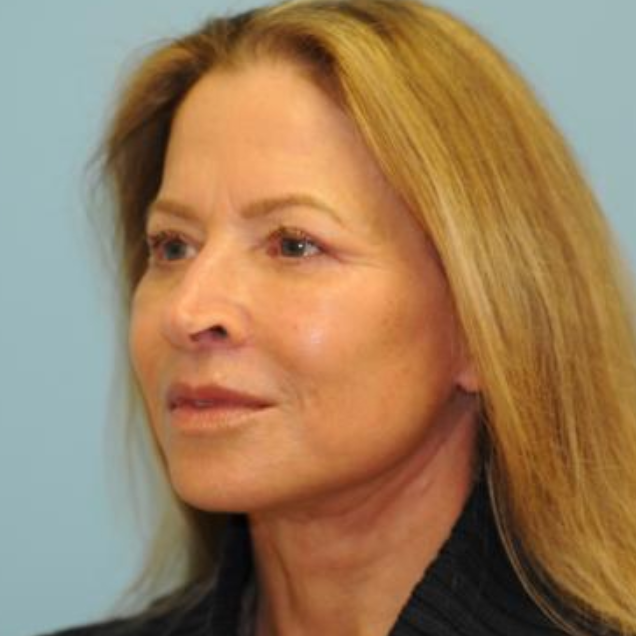
Because her implants had been under the muscle for over 20 years, Dr. Berlet removed them along with the surrounding scar tissue and performed a breast lift. Amy tells host Kerry Berlet that the first thing she noticed when she woke up was how much more deeply she could breathe, and that when she finally looked in the mirror she thought, “This is how I’m supposed to look.”
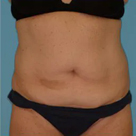
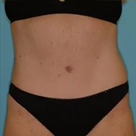
Five weeks later she had a full tummy tuck with repair of the abdominal muscle separation left by her pregnancies. She now feels stronger and more comfortable teaching in front of her classes.
Amy shared her explant on social media on its one-year anniversary and was flooded with supportive messages. She talks about the conversations it opened with her daughter and her community, and why she feels healthier today, while noting she cannot prove the implants affected her health.
Procedures discussed
Transcript
Kerry: Hello, welcome to Once Upon a Surgery. I’m Kerry Berlet, wife of world-renowned plastic surgeon Dr. Anthony Berlet. I’m here to bring you stories of plastic surgery patients, their journey, why they did it, what the transformation was like, how their lives have changed since they underwent these procedures. We’re here to spill the tea over plastic surgery. I’m here with Amy, who I’m actually just meeting for the first time. I saw her post on social media where she talked about this procedure that I’ve heard from Tony a lot of women are doing these days. And Amy is a yoga instructor, and I thought that was particularly interesting. So I want to get into some questions I have about this. Can you take us back to the moment that you first considered having your implants removed, and what brought you to that point?
Amy: Absolutely. So the journey for me started about 5 years ago. I had done some research. I had started contemplating the idea of going through surgery, which is scary, and decided in 2023 to go ahead with the procedure.
Kerry: Okay. And had they been bothering you? Was it a physical thing, or just your appearance?
Amy: Well, there are so many layers to that. Originally it was more of a health awareness, doing a lot of research, feeling some interesting side effects that couldn’t necessarily be narrowed down to be considered a breast implant illness. There’s no test for that. But the blurred lines between the two, the different ideas that came to me, gave me the idea to dig a little.
Kerry: Like what kind of illness?
Amy: Well, breast implants in general, for some people, can cause extreme inflammation. It’s a foreign body, so it’s how your body personally handles it. And I’d had them for quite some time, and I just decided I was at a point where I was like, do I want to continue down this road?
Kerry: And so how much research did you do? Did you go to multiple doctors? What brought you to Dr. Berlet?
Amy: Years. I saw many surgeons before I was introduced to Dr. Berlet.
Kerry: And what were their reactions usually?
Amy: Mostly negative. It’s not as common a procedure to have an explant versus a breast augmentation. And a lot of the surgeons really wanted to push having surgery again, having the implants removed and replaced, versus taking them out.
Kerry: Really? So did they think, “Oh, maybe you just want smaller”?
Amy: A lot of the time I was met with that, like maybe you just want to go a little smaller. The hardest part for me, which initially was so upsetting, is that everybody was so against it. They said I was going to hate the way my body would look, that I wasn’t going to be happy, that I was going to be uncomfortable, and that the scars weren’t worth it. It just kind of was put in a negative standpoint versus a positive light.
Kerry: Right. It’s so interesting, because Tony loves doing this surgery now. He comes home, and this is what excites him the most. And he’s now at a point where he actually doesn’t even do implants anymore. Which is so different, because whenever anyone hears I’m married to a plastic surgeon, they immediately think boobs, you know? And I’m sure he’s been doing this for years, but this is sort of a new kind of excitement he has about this.
Amy: Well, I will say that it’s one of those things that’s not talked about. It’s very quiet. People aren’t shouting it from the rooftops like they were with breast augmentations. More and more people that I know personally are now taking the initiative with their health and their wellness. And from my experience so far, it was really hard to find somebody that would even go near it, right? So the fact that he’s now one of the leading people doing this in this area is amazing. And the fact that he’s no longer putting breast implants in is, to me, of such huge significance in women’s health in general.
Kerry: So I’m just curious, I don’t know if you had anyone romantically in your life at the time, but I imagine a lot of men would have negative opinions, right?
Amy: At the time, no. And I didn’t really consider it, right? I figured it’s my body, my choice. Just like when I got the implants put in, in 2003, it was all my [inaudible].
Kerry: And so when you first went to Dr. Berlet, he was positive? Was he confident that you would like the result?
Amy: Well, Dr. Berlet was the fifth surgeon I had seen about this surgery in particular, because I had to do so much research and go looking, calling offices to find people who actually do the surgery. There’s not a lot of information on the internet. And through a friend I got Dr. Berlet’s name and information, and then I called the office to see if they even did explant surgery, because everybody’s websites say that they do breast augmentations, but that they don’t do [inaudible].
Kerry: Oh, they don’t actually even advertise it. Interesting.
Amy: So I called, and I just happened to get right in. A couple days later they had an opening. So I was like, okay, let me go see. And the minute I walked in the office I was like, I like the energy here. I like the vibe. It feels comforting and safe.
Kerry: And as a yoga instructor, the energy is…
Amy: Very important to me. So when I met with Dr. Berlet for the very first time, he listened. He patiently listened to my story and what I wanted and what I was looking for. He never once said, “You’re not going to like the way you look.” Nothing. He just said, “I got you.” So I knew that day. I was like, I’m in the right spot.
Kerry: Okay. And were you nervous going into the surgery?
Amy: I was so nervous. I’m a mom of three, so any surgery is nerve-wracking.
Kerry: And did your kids know?
Amy: My kids knew. That’s a very funny story. My oldest is a girl, so she knew. My boys, I had to tell them about the [inaudible].
Kerry: Which I’m sure they don’t really like to think about.
Amy: They don’t want to think about their mom in that way at all. So we had a really good, solid conversation about it, about surgery in general.
Kerry: Were they worried there would be a risk or something?
Amy: I think they were worried about me, but they were more excited for me to finally get to this surgery that I’d been hoping to do for years, that they had no idea about.
Kerry: And did they even know you had implants?
Amy: Oh, no.
Kerry: I guess why would it ever come up with your kids, right?
Amy: Right. So when it was time for the surgery, they were definitely a little nervous for me, but also very supportive.
Kerry: Oh, that’s good. And then when you first woke up, was it painful?
Amy: I reiterate this story time and time again. So you have general anesthesia, which made me nervous, but I remember waking up, and the first thing I noticed is that I could breathe so much deeper. My breath was so strong. And being somebody who breathes intentionally for a living, who teaches it, I noticed right away the difference in my breath. I remember feeling my chest and feeling like my heartbeat felt so strong, and I didn’t realize that my heartbeat always was so strong. It’s just that there was a level of implant between my chest and [inaudible] feeling it. So there were these little things that maybe somebody else wouldn’t notice so much, but because of my profession, they were significant to me.
Kerry: So you said the scars are not on the top, they’re underneath, so they slip them out. Is that how they put them in, from the bottom?
Amy: I think there are a couple of different ways to put them in, but mine were inserted underneath, under the muscle.
Kerry: Oh, okay. Is that more complicated?
Amy: I would assume it is. I think because they had been there for so many years, right? Over 20 years. The scar tissue forms around the capsule of the implant as your body’s protection, and then it adheres to the side of your chest and your muscle. So he literally has to carve it out to take it out, and then all that scar tissue too. So everything comes out. And then it’s recovery and fixing whatever’s left from the space that was made with the implants being there for quite some time. So he not only took out the implants, he had to do a lift as well.
Kerry: So if you take them out from the bottom, then how does the lift work?
Amy: From the areola down, I’m assuming. I’m not the surgeon. I’m assuming you just neatly close things up. There’s nothing on the upper part, so it just kind of hides. So anything can be hidden with a swimsuit or a sports bra, which I wear every day.
Kerry: So you had to change sports bra sizes, I assume, right?
Amy: I did. Yes. I went from having something to having very minimal. And I couldn’t be happier about it.
Kerry: Yeah. I have a little bit larger chest, but I always felt like when you have a smaller chest, you just feel thinner. I don’t know.
Amy: Well, I will agree with that a little bit. I will say, I was a little nervous to look in the beginning, because I was so used to seeing my body one way for so many years, and then to see it differently, you don’t know how you’re going to react. Was I going to be upset? Was I going to be grieving the loss of these things? And I have not had one moment of [inaudible]. I looked in the mirror when I finally got the courage. It took me a day or two to just be like, “Okay, just take a peek.” And I looked and I was like, “This is how I’m supposed to look.”
Kerry: Oh, good.
Amy: I can’t tell you right now what I looked like before. I can’t remember it at all. I feel like this is how I was supposed to be.
Kerry: So kind of a full circle moment, of coming back from a place where you didn’t think it was enough, and then you come all the way back around.
Amy: Exactly.
Kerry: And do you think they look similar to how they looked before? Obviously you’re older now.
Amy: I was 20. So a long time ago. Three kids later, everything looks a little different, but I would say it’s pretty close to perfect.
Kerry: Okay. Amazing. And did people that you knew notice? I know you were obviously public about this. It’s a weird thing to say, oh, your breasts look different. It could just be a bra.
Amy: I wasn’t sure how I was going to put that out there, so to speak. I took time off work. I teach yoga. I own a yoga studio. So I’m in front of people. They see me.
Kerry: What do you wear? Sports [inaudible].
Amy: So they saw me a certain way for a very long time. I took time off work, obviously, so everybody was like, where did you go? What are you doing? Only a few people knew that I was having the surgery. And when I came back, I was like, “This is a golden opportunity for me to be so real with the people in my community and not make it something that people don’t talk about.” So I took the opportunity to say, “This is what I did. I had explant surgery, and I’m super happy with how things turned out, and I feel so much better and I feel more comfortable.” And the message was loudly, positively received.
Kerry: Oh, great. Yeah, I imagine it’s much better to just be honest than to try to hide. And you might be inspiring someone else who’s considering the same thing, right?
Amy: Well, that post that you saw, I posted on my one-year anniversary of the surgery, which happened to be the day after Valentine’s Day. I figured that was so appropriate, for something that was so close to my heart. I made that post kind of hesitant about the idea: do I tell people publicly on the internet, or do I just keep it to myself and the people that know me? And I made that post, which felt like such a big deal for me, to be like, “Hey guys, if you didn’t know, now you know.” And I cannot tell you how many messages I got of positive encouragement, people saying to me, “I can’t believe you did this. This is amazing. I’m so proud of you.” And the flood of messages I got from women who want to do it. And I know a couple of people right now who are booked or who had just had surgery for that same reason, and I answered a few questions about it.
Kerry: That’s amazing. And I do think the trend has changed, right? There was the whole implant thing, and now I think there’s less of that. It’s been all about the butt for a while. There are always trends, right? But I think it’s amazing that you put yourself out there like that. And there are some people who have to get breast reductions for other reasons. But there’s the whole idea of some of the health concerns with implants these days too. You might save someone’s life by just making them aware, or shifting their thoughts about their own bodies.
Amy: It was one of the most important factors for me, being in the wellness space, the well-being space, and knowing that you can do something and you can undo it. And knowing that women in general usually put ourselves very low on the totem pole of things that we take care of. It was important for me to say this is a priority, and to encourage anybody I can to even think about it. And I have a daughter, and she’s very much built like I was, and this whole conversation opened up a dialogue for her and me about how she feels about her body. And she’s like, now I would never want to put implants in. There are so many other holistic or more natural options, which I know Dr. Berlet does as well, the alternatives to breast implants. We’re moving away from that look, more to a natural or safer alternative.
Kerry: That’s so good. So are you done with surgery? Have you done anything else since then?
Amy: I have, actually. It’s funny, because this one surgery led to another. Everything was fine, but after having three children and losing the volume in my chest, you could see how stretched out and extended my abdomen was from childbearing.
Kerry: Those darn kids, they ruin our bodies.
Amy: And being a yoga instructor for all these years and being in the fitness world, I couldn’t fix that myself. There are some things you cannot do on your own. The loose skin, and the abdominal separation, puts so much pressure on your body and your back. And in my world, knowing how important those things are as we get older, to maintain strong, healthy bodies, it was another thing. So I had a second surgery 5 weeks after the first.
Kerry: Oh wow. That’s soon. And what was the second surgery?
Amy: I had a full tummy tuck and abdominal repair. So we sewed everything back together.
Kerry: Like the muscles?
Amy: Yes. The muscles. There was a significant separation from my pregnancies. And then I was just like, well, if you’re going to do it, you might as well do it all.
Kerry: Do it all. Right. Now, would you wear a jog bra before this, that showed your stomach? What were you wearing?
Amy: Not as much. I was a little less confident about that part, only because of giving birth multiple times. And I am on the petite side, so I didn’t have as much room for humans. But now everything is so much better.
Kerry: Now you’re like…
Amy: I’m like, yeah, put it out there. The confidence of that in general, and just everything feeling so much stronger, which to me is more important than anything.
Kerry: That’s why we do a lot of the things we do, right? So you have literally changed what you wear when you teach classes?
Amy: I’m not as covered up as I used to be, but I’m also more comfortable. So that’s super important to me, being out there in front of a group of people every day of the week, with everybody watching you. It was nice to feel so much better in my own skin.
Kerry: It’s amazing. So knowing that you’re a yoga instructor, do you think you can do more poses now, after this transformation?
Amy: It’s definitely changed my yoga, in some ways good, and some ways we’re still working on. I will say I have more space. I’m a little more open in my movements, more comfortable, a little stronger. But also, because my abdominals were so weak, I don’t have as much flexibility anymore, because everything was so tightened up. But it’s slowly coming back. So it’s not forever.
Kerry: Right. And it still is pretty recent, right?
Amy: And if it was forever, it would well outweigh the alternative. So the surgery was worth me maybe not being as flexible as I used to be, or not there yet.
Kerry: Right. Got it. And with the tummy tuck, the scar is far enough down. When you go to the beach, do you wear a bikini now, or did you before? You always did.
Amy: But yes, it definitely feels better that it’s not something you’re thinking about anymore. Not being able to see the damage, so to speak, of stretching out all that skin, and just being able to feel so much more myself in my own body. You can’t describe that.
Kerry: Right. So, Amy, what’s something that you wish you’d known before getting implants that might have changed your path?
Amy: Well, I got the implants in 2003, and at the time there was no information about their longevity, or any health risks that could arise from having implants themselves. It was kind of just, here you go, let’s do it. So fast forward all these years later, when I started to do a little more research, knowing that implants don’t last forever.
Kerry: Tony says you have to replace them. How many years? Every 10 years, every 20 years, something?
Amy: I guess the standard is 10 years.
Kerry: Which goes faster than you think.
Amy: Exactly. And when you’re young, you don’t realize that. So one of the contributing factors was the fact that I just didn’t feel like this was something I wanted to continue to do.
Kerry: And there’s maintenance. Did the doctor mention maintenance?
Amy: They said you’ll eventually have to replace them. And at that time, eventually could have been whatever. It didn’t register. I was young and I was like, “Okay.” But then you get older and you realize, we have to keep doing this. Am I going to keep doing this? And I had to sit with that for a while.
Kerry: And every time it’s a surgery. So how many times had you had them replaced?
Amy: I never had them replaced. Every time I thought about it, I made a few consultations, and every single time something made me change my mind, and I was like, “Nope.” So when I decided to go through with this, I had done research, I had looked at studies, I had followed people on Instagram who had done it before me, because I didn’t know anybody personally who had done this. So I felt kind of lost, a little bit of a pioneer. How am I going to do this, and who is going to do this, right? So that led me to multiple surgeons to speak to, and every one of them gave me a little information, but they just weren’t the right fit.
Kerry: Interesting. And I wonder why you were so discouraged by so many people. Do they just want the business? Or maybe they’re just not good at it, I don’t know.
Amy: It was definitely discouraging. Because these are people for whom this is what they do, and they’re telling me, you’re not going to like it. You’re going to hate the way you look. You should just get smaller implants. Well, smaller implants would eventually have put me in the same position I was already in. It’s a continuous surgery. It’s not a one-and-done kind of thing.
Kerry: Yeah. It makes me think maybe they just weren’t good at it, and people haven’t liked their results. Because all I know is Tony loves this surgery now, taking out the implants and doing the lift. He’s happy for the women, that they’re empowered. And it’s surprising how happy people are with that result. You just don’t think about how an implant, like you said, is impacting your breathing, and all these other factors that come along with it.
Amy: Well, when I went to see Dr. Berlet at my first week post-op, I remember walking into the office, and the first thing he said to me is, “You look healthier. You look brighter.” And I felt it. I felt it in every part of me. My skin looked brighter. My eyes looked brighter. I felt better. And I was only one week post-op. And again, we had a conversation. Do you think they were really impacting your health? And I strongly believe they were. I can’t prove that. I can only say how I feel in myself and my own body. And I strongly believe it also because I teach hot yoga for a living. Breast implants have never been studied being heated.
Kerry: Huh. Interesting.
Amy: And I found a study and information that backed that up, that there’s not necessarily any information out there on saunas, hot yoga, hot tubs, and raising them above body temperature.
Kerry: Oh, like it boils them or something?
Amy: Well, the shell is made out of silicone, whether they’re saline or silicone implants. Everything breaks down eventually, and heat will just break it down faster. So for me, teaching hot yoga multiple times a week for close to 15 years, at that point I was like, I feel like this could be impacting my health, and I wouldn’t know until I took them out. But I can tell you, a year post-op, I don’t get nauseous when I’m done teaching yoga anymore.
Kerry: Wow. You were getting nauseous?
Amy: Maybe it could be in my head too, but I just feel better. But yes, sometimes I would feel nauseous. My skin would feel itchy. There were different things that I couldn’t pinpoint, and I still can’t say for sure. But my experience says that I definitely feel healthier now.
Kerry: All right. So we’re here to celebrate the happy ending. But looking back, how would you say that this journey has transformed your relationship with [inaudible]?
Amy: I would say, because it was such a full circle moment, to come back to a place where a younger version of myself didn’t think it was enough, to be able to come back to that exact same spot with a completely different perspective. So much self-appreciation, caring for my own self. I can’t even describe it.
Kerry: It must be so empowering. Yeah, it’s really a bold move. Cheers to you.
Amy: Thank you. Cheers.
Kerry: Celebrating the new body of Amy. Now, what did your mother think?
Amy: She was very excited for me.
Kerry: Oh, good. Sometimes mothers can be judgy, or worried.
Amy: No. She was actually very excited for me and very proud of me for taking the time for myself and doing something that I felt so strongly about, and that was so important, and now I tell everybody about it.
Kerry: I love it. So we just heard from Amy, her inspiring transformation of having a breast explantation and lift along with a tummy tuck. I hope you enjoyed the story. If you want to hear more, please subscribe. And I would love to hear your comments and other questions you might have, or other surgeries you’re curious about. Cheers to you, and see you next time on Once Upon a Surgery.
Ready to start your own story?
Meet with Dr. Anthony Berlet to talk through your goals and options.
Request a Consultation (332) 232-5630