From Tragedy to Triumph: Alyssa’s Beautiful Comeback After a Devastating Car Accident

Summary
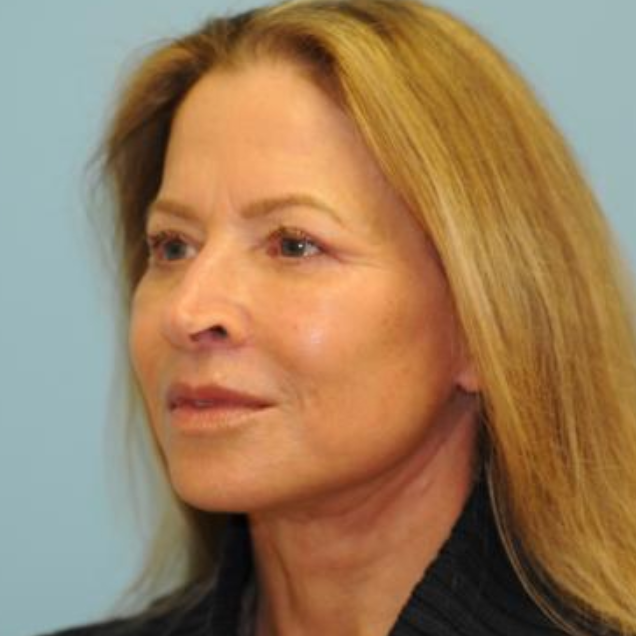
In November 2011, Alyssa, then 21 and about to start graduate school at NYU, was ejected from a car in a serious accident. Her jaw, cheekbone and eye socket were fractured and her nose was pushed back into her face. Her father wanted only the best to treat her, and Dr. Anthony Berlet was called in.
Dr. Berlet explains to host Kerry Berlet how he worked in stages: first wiring her bite into place and plating the bones to restore the height and width of her face, then, days later, rebuilding her nose using her own septum and ear cartilage rather than a skull bone graft, which he feels rarely looks right. The eye socket repair waited until the swelling went down.
Alyssa remembers little of those weeks except Dr. Berlet telling her he had held her nose in his hands and knew he had to put it back together for her. She went on to graduate on time, become a speech pathologist at Chilton Medical Center, marry and have two children. Her family credits Dr. Berlet with saving her confidence, and Kerry shares that hearing this story is what first inspired Once Upon a Surgery.
Transcript
Kerry: Hello, welcome to Once Upon a Surgery. I’m the host Kerry Berlet, wife of world-renowned plastic surgeon Dr. Anthony Berlet. Today we’re going to shift gears a little bit. We’ve focused mainly on cosmetic surgery up until this point. Today we’re going to talk about reconstructive surgery as a result of a traumatic accident. My guest today, Alyssa, went through something horrifying and was virtually unrecognizable. With the help of Dr. Berlet, she looks obviously more beautiful than ever. And we’re going to hear her story.
Kerry: Cheers, Alyssa. Thank you so much for coming. I’m so excited to meet you. So, I have wanted to meet you for so many years. I heard your story, and actually your story is really the inspiration for Once Upon a Surgery.
Alyssa: I love that.
Kerry: So, it was like, I had just started dating Dr. Berlet, and we were out to dinner, and across the restaurant there was a man and a woman, and they were like, “Dr. Berlet, Dr. Berlet.” And, you know, this happens to us everywhere. He’s kind of a pseudo celebrity, as you know. And they were like, you know, and he was like, oh, yeah, you know. And I think he had done your surgery, you know, several years before. And they tell me very seriously, “Your husband, you know, he saved my daughter’s life.” And it was your dad and your sister.
Alyssa: Yes.
Kerry: And they’re looking so serious. And meanwhile, you know, they were like, oh, and she’s getting married. Either that, or you were around the time… either you were just getting married, or you were recently married. And they said to me, you know, really, so serious, that he had saved your life. And I had just been to a wedding where he had done basically cosmetic surgery on the entire wedding. So with them, yeah, like a very attractive wedding party, obviously. But anyway, so this is what I’m thinking, you know, happened to you.
Kerry: And then, you know, so we have dinner, and then after they left, Dr. Berlet tells me the story, and, I mean, horrifying. I mean, he said, “Her dad is, you know, a high-powered lawyer. She was in a horrible accident.” And, like, basically every bone in your face was shattered. Like, the orbit of your eye was out, or something, from what I’m told.
Alyssa: Yes. Yes.
Kerry: And not this… I mean, I don’t think you were conscious when this happened. Your nose was inverted.
Alyssa: Yes.
Kerry: And really crazy. Yeah. And he said that your father, who was, like, you know, obviously a very important person, was in Dr. Berlet’s arms crying, because he was so worried about you. But so, I’m like, I want to hear this story. And it kind of stuck with me, because that was the start of so many stories that I’ve heard, of, like, people telling me, “Your husband saved my life. Your husband, you know, changed my life.” And so I’m like, I never knew your name. And so I’m so happy that he, you know, tracked you down so I could have you here. And so it’s great.
Alyssa: We actually work together now, kind of. Yeah. So, I’m a speech pathologist at Chilton Medical Center, where he does a lot of his work. So, sometimes we see each other in the hallway.
Kerry: So, no way. Come full circle.
Alyssa: Full circle.
Kerry: Wow. And now, before we get into your story, you are married now, right?
Alyssa: I’m married. Yes. Yep.
Kerry: Two kids.
Alyssa: Yeah. We’ll be celebrating 10 years in March.
Kerry: Wow. That’s amazing. So, wait, 10 years. So, then that must have been…
Alyssa: Yeah.
Kerry: It must have been right after you must have just gotten married. That’s what it was. That’s okay. All right. So, take me back. I mean, this is… and I hope, if it’s too dramatic, let me know. But take me back to, like, what happened? You were in some kind of accident. And so how did you get such injuries?
Alyssa: So, it was November of 2011. I was in a, you know, a really bad motor vehicle accident, and was ejected from the car. So they had brought me to the St. Joe’s trauma center in Paterson.
Kerry: You were ejected, like, out of the car?
Alyssa: Yes. Yep. And so now, obviously, I don’t remember any… obviously, any of it.
Kerry: Of course.
Alyssa: So, you know, everything that I do remember… well, not even really remember. Everything that I say about the accident is, you know, all told to me secondhand, of course. But, you know, it’s been about 14 years now, so I do have a pretty good understanding of kind of everything that went down. So when I was brought to St. Joe’s, you know, I guess kind of right after all of the life-saving procedures, you know, were completed, and, you know, CAT scans and everything were done, and we knew that I was going to have to have some plastic surgery done, my dad, you know, wanted to make sure only the best was going to touch me.
Kerry: I mean, I can’t imagine how horrifying… like, your father must have been, like, just seeing his daughter, like, just… I mean, like, your face just totally…
Alyssa: I mean, I was early 20s, you know. I had just gotten into NYU for grad school. I was, you know, living what I thought was going to be, you know, the best couple years of my life, you know, young and living in New York City. And so, you know, I’m glad that they, you know, didn’t let anyone touch me. They waited for the best to come in and kind of work his magic.
Kerry: Wow. Yes. Yeah. And it’s what’s crazy to me, because you were thrown from a car, but he said that, I mean, all this damage to your face, but he said that, like, the only other injury, really, was that you had a shattered pelvis, or something.
Alyssa: Okay.
Kerry: Wow. I mean, so it was just, like, it must have, like, just got, like, all… wow. Luckily nothing with the brain, you know.
Alyssa: Yeah.
Kerry: Because it seems like, I mean, if he was called that night… because clearly, I guess, it was clear you were going to live, but just, like, not look… you know, or they were concerned about all of, you know, the facial structure, and what single 21-year-old wants to be like that?
Alyssa: Of course. Yeah.
Kerry: Wow. And of course you don’t remember much. But then, and so, I mean, do you know, because, like, I mean, you can’t tell, right? That, I mean, if I look at your face, you would never guess that, I mean, again, that anything had happened to you, right?
Alyssa: When I tell people the story, and, you know, explain to them the different surgeries that I had on my face, they’re shocked. They can’t tell. Like, where are your scars? Where’s anything? You look so natural. It looks great.
Kerry: Right. So, and then, and were you in a coma?
Alyssa: Yeah. So, I was definitely unconscious for a couple weeks, and intubated for a couple weeks. And, you know, it’s funny. I don’t remember much, but one thing I do remember is meeting Dr. Berlet, I guess, you know, later on in the hospitalization, and him saying, you know, “I literally was holding your nose in my hands, and I thought to myself, like, I have to put this back together for her.” It’s truly one thing that sticks with me, and I remember it to this day.
Kerry: Oh my gosh.
Alyssa: Yep. Crazy.
Kerry: So that is crazy. And so, do you know, like, so, I mean, I’m sure you don’t, when it’s that kind of severe surgery. So, are they able to operate when you’re still in a coma? Like, is that, like… I don’t know.
Alyssa: Right. Yeah.
Kerry: So, and it didn’t have to, I mean, like… and they were sure, because did they… was it just that you were in a coma, or did they keep you in that because of all the surgery, like, all the reconstruction that had to happen?
Alyssa: Yeah. So I think that, medically induced…
Kerry: Medically induced. Yes. Okay. Because they were sure. They’re like, they knew you were going to live through this, and then they were just trying to rebuild, basically, the structure.
Alyssa: Yep. Exactly.
Kerry: Mhm. Wow. And then, and do you know, because, like, I mean, like, the orbit of the… I mean, I just don’t… I mean, we’ll have to talk to Dr. Berlet, and we’ll have Dr. Berlet speak about this, because I don’t know, like, where in the process, like, is the face first, or the… no, like, how you get to the point?
Alyssa: Yeah. So, you know, I had a lot of surgeries during that first hospitalization. You know, I guess a lot of more, like, trauma reconstruction surgeries. But I had follow-up afterwards, of course. And obviously that I remember more.
Kerry: Yeah. Like, through the… like, was it, like, several… like, was it multiple surgeries? I’m sure multiple, right, initially. But then I’m sure they can’t do everything perfectly, and so there would be lots of follow-up.
Alyssa: Right. Exactly. I mean, really only throughout, you know, that first year or two. I haven’t really had anything… you know, that was about 14 years ago, so I haven’t really needed much, which is amazing. I mean, it speaks to, you know, his work.
Kerry: So, do you remember, so, and, like, if you look at pictures before the accident and after, like, did you recognize yourself in the mirror, or did, like, what?
Alyssa: So initially, I feel like, you know, there was swelling, and, you know, of course, initially, things looked a little off. But looking at those pictures, to looking at pictures now, you know, I feel like you would never really be able to tell that I, you know, have metal in my face at all.
Kerry: So, right. Oh. So you have metal in your…
Alyssa: So he had to rebuild the orbit of my eye with metal.
Kerry: Oh, really? Yeah. The cheek was brought up, I think. I don’t know. We’ll get… we’ll get the details.
Alyssa: Yes.
Kerry: We’ll bring him in. But, wow. So there’s metal. Is there… do you know what he did with your nose? Is there, like, cartilage?
Alyssa: Cartilage. Yes.
Kerry: Right. He tends to take it from the ear.
Alyssa: Exactly. Yep.
Kerry: Okay. Like, this I’ve learned.
Alyssa: Exactly. Yes. Yep.
Kerry: Wow. Like, that is amazing, because it’s, like, this is not like it was a cosmetic thing where there’s, like, a before and after. And, like, you’re… I mean, I’m sure you’re happy to have, like, you know, that you have a normal-looking face. But, like, I mean, you look absolutely beautiful, right? And, like, I mean, I wonder if anyone who knew you before, like, you’re recognized by, like, people from your childhood, who might not…
Alyssa: Yeah. Okay. Yep. Mhm.
Kerry: That’s, I mean, that’s true.
Alyssa: Which, honestly, is what I wanted, right? Like, I wanted to look like myself. Especially after something so traumatic happens, you don’t want to come out looking like a different person. So, you know, the fact that he was able to keep me looking like myself, you know, I think is amazing.
Kerry: Do you think that, I mean, obviously, just being in an accident of any kind is so traumatic, and you’re not… you’re focused just really on, like, you know, the… I mean, there’s an emotional, and, you know, aspect beyond your physical appearance. Like, do you think that, like, I mean, obviously, it’s going to be easier to deal with, like, looking, you know, more… but when you were healing, like, emotionally, were you, like…
Alyssa: Oh, yeah. It’s so hard. So, listen, my mom has always, since I was little, said, “When you look good, you feel good, and you do good,” right? So, I mean, she would never let us wear sweatpants to school, because, you know, if you’re wearing sweatpants, you’re not looking good. That means you’re not feeling good. That means you’re not doing good, right?
Kerry: So I should tell that to my daughter.
Alyssa: Yes.
Kerry: Everyone wears sweatpants.
Alyssa: Yes, I know. It’s crazy to me. It’s crazy to me. So, you know, it’s, like, it’s the same thing when I, you know, was, right, like, post-surgery. I wasn’t looking good. I wasn’t feeling good. And, like I said before, you know, I was in my early 20s. I was just living in New York City. I mean, like, this was supposed to be the best time of my life, right? So, after, you know, the touch-ups, and, you know, getting back to feeling like myself, and looking good, and feeling good, you know? I mean, that’s what gave me the confidence, really, to finish grad school, to, you know, finish…
Kerry: Oh, yeah?
Alyssa: I finished. Yep. You know, I didn’t fall behind at all. I, you know, kept up with the work as much as I could, and graduated on time.
Kerry: Wow.
Alyssa: Yeah. So, I mean, truly, you know, right, he didn’t save my life in the sense that he was doing CPR on me and making my heart come back. But, you know, he saved me in other ways. He saved my confidence. He, you know, he really… you know, we truly always say Dr. Berlet saved my life, because, you know, it really feels like he did.
Kerry: Wow. And so, even with all of this cosmetic damage, there wasn’t neurological damage?
Alyssa: Neurological damage. Thank God. Yeah.
Kerry: Wow. I mean, it really is a miracle, you know.
Alyssa: Very much.
Kerry: And, like, he kind of performed his own miracle. But, like, but really, I mean, that you were so lucky, when you have that kind of facial injury, that that’s… you know.
Alyssa: Absolutely.
Kerry: Wow. Mhm. And now, like, and when did you… how many years after that did you meet your husband, or were you already dating your husband?
Alyssa: No. I met my husband… oh my gosh, he’s going to get mad at me, though. I forget the year that we met. So, I was living in Philadelphia. He was my next-door neighbor.
Kerry: Yeah. Mhm. Right. Yeah. Okay. So he didn’t know you before, and he’s…
Alyssa: No, he didn’t know me before. Nope. You know, he, too, was shocked when, you know, he heard the story.
Kerry: Wow. Right. Because you’re just, I mean, you’re just a beautiful woman, right?
Alyssa: Yeah. So, yeah, you know, he was shocked, but he’s great.
Kerry: Right. That’s amazing. And now, and so, I’m like… you’re one of the people, because often I hear… like, you haven’t been back to Dr. Berlet for any cosmetic surgery since then. But do you know anyone who has?
Alyssa: Oh, yeah. Plenty of people. Yes. My sisters. Yep.
Kerry: Well, I’m sure.
Alyssa: And I mean, listen, I’m 34. Like, we’re getting to that point, right?
Kerry: Well, you’re still…
Alyssa: I’m going to be knocking on… I’m 35. I said 34. I’m 35. Yeah. I’m going to be knocking on Dr. Berlet’s door very shortly.
Kerry: But no, no, not… there’s no… I’m not saying, I don’t think you need anything. But I’m just, like, I’m like, it’s just…
Alyssa: Well, you know, here’s the thing. We also…
Kerry: Yeah, you look… I mean, everything looks…
Alyssa: I mean, aging may also look different for me than it does for other people, right? I mean, especially with everything that I’ve had.
Kerry: I think that it totally could.
Alyssa: And so, you know, as I get older, you know, things need to be done.
Kerry: Like, it’s just interesting, like, having metal in your cheek, right? What that… that should be a good… we need to talk to Dr. Berlet about this, because I’m like, will it, like… I don’t know. Maybe, because he always says that as you age, you lose volume, right? But then maybe you’re going to age better than everyone else.
Alyssa: And maybe, you know, I don’t know. This, in here, seems a little, you know… like, I could start using a little something. So, we’ll see.
Kerry: I don’t… I mean, we’ll talk to… we’ll talk to the expert.
Alyssa: Right.
Kerry: But no, I think that is an interesting question. Like, now people are going to start putting metal in their…
Alyssa: Right.
Kerry: I was like, or is that what they’re doing with these celebrities? Right. Is that what Kris Jenner did?
Alyssa: Right. Oh my gosh. She looks amazing.
Kerry: Yes. Right. That is fascinating. But, like, this is… I mean, I’m just, like, so impressed. And I’m so happy that I finally met you, because I was like… because that was just, like, really, to see these people so seriously, that your husband saved… and they were like, you know, and they looked at me so seriously. And I’m just in my head thinking, like, okay, was it, like, which part of the body was it?
Alyssa: Right. I mean, truly, we all, my whole family, my grandmother, my, you know, my dad, my sisters, my mom, we all… we love him. We feel like he truly is, like, you know, a part of our family now. I mean, you know, not only is he so skillful, so, you know, wonderful at what he does, but he truly was so caring that day, and always going forward, you know. Truly, truly caring. And so that just, you know, really meant a lot to us, especially on that traumatic night.
Kerry: Yeah. Like, I mean, and so, like, thinking back, I mean, like, and so the first time you remember… like, you just remember early on him telling you that… like, do you remember the first time that you, like, you know, were out of the coma a little bit?
Alyssa: I remember thinking that I was oversleeping for school, and I kept, like…
Kerry: You’re like…
Alyssa: Yeah. I kind of know a little bit of sign language. So I kept signing, like, “School, school.” Like, why am I not at school?
Kerry: Yeah. Because you couldn’t… were you… because you were in…
Alyssa: Because I was… right. I was intubated with the breathing tube.
Kerry: Right.
Alyssa: So I couldn’t talk.
Kerry: Yeah. I can’t imagine, like, you know, having, or going through that myself, or having a child go through. It’s, I mean, I don’t know if it was harder for you or for your…
Alyssa: Oh, I’m sure for… absolutely, for my parents. Absolutely. Right. Yep. Definitely. Yep.
Kerry: But so you were signing “school,” and then did they, were they able to…
Alyssa: Yeah. Then my mom was able to say, like, “You were in a car accident. You’re in the hospital. It’s okay. Calm down.”
Kerry: Okay. Yeah. And it was… you said, how long were you in the hospital?
Alyssa: I would think I was in the hospital for about a month, and then I was at Kessler Rehab in West Orange for a little while.
Kerry: And so what did you, like, with rehab? It was just probably related to movement?
Alyssa: It was related, right, I think more so to my pelvis.
Kerry: Yeah. And have there been any issues? I mean, I just can’t… to me, it’s crazy that your nose was literally, like he said, inverted. He had your nose in his hand. But so, and do you have, have you had any issues breathing?
Alyssa: Yes. Yes. Yes. Mhm. Yeah. I still have a little bit of sinus issues. But, I mean, it’s okay. It’s, you know, based on what I could have been like, or could have had, right?
Kerry: Yeah. And, like, exercising, like, all of that?
Alyssa: It’s okay. Yeah. It’s okay. Mhm. Yep. I mean, I’m sure… like, of course, you know, lower back pain now, and things like that, that I think are probably related. But yeah, we move on.
Kerry: Clearly, this is not a typical Once Upon a Surgery episode, and we need a little more insight into some of the questions we had from the expert, Dr. Berlet, who performed these procedures. So, we’re going to bring Dr. Berlet in, and we’re going to ask him some of these questions, related to the accident, that, obviously, Alyssa, as an unconscious patient, would not, you know, know the answers to.
Kerry: Now, we have Dr. Berlet, and we have some pressing questions. This, you know, it’s pretty miraculous what you did. And I want to get back to the process of when she, you know, when she was brought in, what state she was in, and the order of, you know, the procedures. She says she remembers you told her that you were holding her nose in your hand, and you were like, I need to, you know, make this right for this girl, or whatever.
Dr. Berlet: So, the initial process starts with aligning the teeth, you know, the bite, really.
Kerry: Yeah.
Dr. Berlet: So, you wire the whole jaw back closed again. She had multiple fractures through her maxilla, mostly into her left eye orbit, zygoma. Blew out her left orbit, and her nose was literally reversed into her face. It was just completely impacted.
Kerry: And so when… okay, so you started with the jaw. So, I mean, is each of these… are you doing this all… I mean, like, this is all, like, one day?
Dr. Berlet: No.
Kerry: Okay.
Dr. Berlet: No. So, the initial procedure was to set the teeth in order and then plate all the bones. There’s certain structures through the face that you have to realign, to get the height and the width of the face. So, those plates were all put in place. At the time, we had to hold off on her… she had an orbital floor fracture on the left side that had so much swelling that we couldn’t repair it at the time.
Kerry: Okay. Okay.
Dr. Berlet: Because I was afraid it was going to stretch the nerve in the orbit, and she could lose sight in that left eye.
Kerry: So what did the eye… so you had to leave that. So then what did it look like? I mean, and was her eye, so, she still has her same eye, right?
Dr. Berlet: Yes. Same eye. So the eye was in place, but the side, they call that a blowout fracture, on that side. But she also had a zygoma fracture. She had maxillary fractures, called Le Fort fractures, and her nose was completely, like I said, imploded into her face.
Kerry: Your poor father.
Dr. Berlet: He cried on my shoulder many nights.
Kerry: I’m sure he did. It was awful. It’s so sad. So, I mean, so then did this just become almost, like, your full-time job? Like, because you are doing multiple surgeries, and so then how much time is in between each one? And so she’s in a medically induced coma during this, or…
Dr. Berlet: I think she was… she was actually… okay, she had had a hip fracture as well. So that was an issue as well, because you don’t want to lose blood, because hip fractures bleed internally.
Kerry: I thought you said pelvis.
Dr. Berlet: Okay.
Kerry: Hip and pelvis, or is it related? I guess it’s the same thing.
Dr. Berlet: It was pelvis.
Kerry: Okay.
Dr. Berlet: But the pelvis fractures bleed quite a bit. So that was stabilized.
Kerry: Okay.
Dr. Berlet: And then we went in, once she was hemodynamically stabilized, we were able to set the basic fractures in her face, and that was the initial setting. And then your family was very concerned about your nose, because it really wasn’t there. It was just sort of impacted. And oftentimes, we’ll take a piece of bone from the skull and try to create a ridge here, but it doesn’t look right to me, ever. So I opted not to do that. And so we went in, and when I went to do the nose, basically, when I took the septum, the septum just basically came out in my hand.
Kerry: So you… so you were able… so you had to basically almost go into her face to bring her nose out?
Dr. Berlet: Well, I lifted her nose up through an incision through the nose, like I normally do a rhinoplasty.
Kerry: Okay.
Dr. Berlet: When I lifted it up, you know, you separate the walls of mucosa, where the septum is. And when I did that, the septum just basically fell out into my hand.
Kerry: And so… oh my god. And so, I mean, is this normal? So, those are all of her bones in her nose right now?
Dr. Berlet: Correct.
Kerry: Okay. It’s all her.
Dr. Berlet: Okay. And, but, you know, the nose is half bone and half cartilage, right? Her bridge right here was still intact.
Kerry: Okay.
Dr. Berlet: Right there was still intact. But the entire septum, part of the bones on the side were broken, and the whole, you know, the maxilla was broken. And the cartilage that was there, which is basically sort of a wafer of cartilage and bone, basically just came out.
Kerry: Okay.
Dr. Berlet: So, I was able to use part of that, put it back in as an L, so, you know, wiring it back to the bone up here, and to the base above her teeth here. So, I got the L there. But I was able to take some of that cartilage, build the sidewalls, so she didn’t have a complete… just a ridge.
Kerry: Okay.
Dr. Berlet: And so that… and then I took ear cartilage, and I rebuilt the tripod.
Kerry: Wow.
Dr. Berlet: Supported that.
Kerry: Wow.
Dr. Berlet: So that was sort of… it’s not typical for these facial fractures, because oftentimes, they’ll take a little strip of bone from the outer table of the skull, and they’ll, you know, wire it here, but it tends to look like sort of a cantilever, and it just doesn’t look right.
Kerry: Okay.
Dr. Berlet: So we were able to give her a structure and a nose that still looks pretty great.
Kerry: Okay. And so, so you rebuilt the… at what part of the process was the nose? Was that the last thing, or… so you’ve rebuilt the nose, but the orbit is still…
Dr. Berlet: So at that point, we had stabilized, like I said, stabilized where her teeth are, reset the height of the face and the width of the face. And then that orbit was still in… she had so much swelling that I didn’t want to get to that yet. We did the nose maybe four or five days later.
Kerry: Okay.
Dr. Berlet: Sort of just to get it out, so they had to give her a chance.
Kerry: So he did that, and this whole time they knew that she was going to survive?
Dr. Berlet: Oh, yeah.
Kerry: Okay. So that was never a problem. And even though she was in a coma, but it was, and they knew that she was going to be okay, and they could assess that neurologically she was fine.
Dr. Berlet: She was okay. Yeah.
Kerry: Okay.
Dr. Berlet: She had no brain injury.
Kerry: Yeah. So that was all fine.
Dr. Berlet: Anyway, so, once again, the pelvis, right, is a big issue because of bleeding. So, you want to make sure they’re hemodynamically stable.
Kerry: Mhm.
Dr. Berlet: Which means the blood pressure is proper, and they’re healthy, and they can sustain, tolerate, anesthesia. And then once that was set, once again, then we could set the face.
Kerry: Is this crazy? Did you know all of this? So crazy. Is this disturbing, or is it…
Alyssa: It’s really fascinating, that all of this… I mean, holy…
Kerry: Yeah.
Dr. Berlet: And then we were just, okay, then we’re going to stabilize it, and then come back and do the eye, or whatever. We give it a chance, and then, ultimately, I think you saw somebody else to do the eye. Was it?
Kerry: She said she has metal now.
Dr. Berlet: Mhm. Yeah. She has a piece of titanium, probably, holding the eye, the eyeball, off that orbital floor. But you had to wait for that swelling to go down.
Kerry: I see.
Dr. Berlet: And that was weeks.
Kerry: Okay. For that. And so that was a question we had. So, knowing that she has metal now here, right, is she going to age differently?
Dr. Berlet: She shouldn’t. I mean, basically, she was 21 when this happened.
Kerry: So, the metal is more like a bone, right? But, so…
Dr. Berlet: Well, the metal just holds the bone in place until it heals.
Kerry: I see.
Dr. Berlet: But, you know, the growth plates of the face are done.
Kerry: Okay.
Dr. Berlet: So, she should age differently… so, as long as you have the underlying structure, soft tissue… you know, we age by losing volume, right?
Kerry: But I wasn’t sure if there was something with, like, I don’t know if it was metal versus… no, I thought it might help it. Like, if it kept, somehow… I don’t know. Maybe she’s age-proof. I mean, she looks great. I mean, she’s still very young, but…
Dr. Berlet: Yeah. No, you’ve had a baby since then, right?
Alyssa: Two babies, only seven and four.
Dr. Berlet: Well, you go through this process. You’re 21. You think, “Oh my god, my life’s over.”
Alyssa: Oh, yeah.
Dr. Berlet: I’m never going to get back to any of this. So the next thing you know, you’re married. I saw your wedding pictures, and you’re stunning.
Alyssa: Thank you.
Dr. Berlet: Beautiful bride.
Alyssa: Thank you.
Dr. Berlet: And that’s very heartwarming. And then, later in life, I run into you in the hospital.
Alyssa: I know.
Kerry: You work in the hospital. That’s amazing. And did you, as you were doing any of that reconstruction, did you ask for, like, a picture of her before, like, so you could know what you were working towards?
Dr. Berlet: Actually, I did get pictures from the family.
Kerry: Okay. Did that help, you think? So then you could, like, visualize what this person, who has, like, a face that’s, you know, basically smashed in…
Dr. Berlet: Yeah.
Kerry: You know, like, what?
Dr. Berlet: Well, she had no… like, it wasn’t something you could really tell. You know, you just basically have to put the bones back together. I think we got them together anatomically, the way they’re supposed to be.
Kerry: Uh-huh.
Dr. Berlet: Her nose is very different than what she had. She had a bigger nose. It was a little wider.
Kerry: So you got a smaller nose out of your big…
Dr. Berlet: From what I can remember.
Kerry: Uh-huh. Okay. Yeah, sounds great. But I mean, like, she showed me pictures from before, and, I mean, she is still the same person, you know?
Alyssa: Like… yes. 100%. Yeah.
Dr. Berlet: Well, I think she might be a different person.
Kerry: Well, I mean, obviously, you survive this, you become a different person. Well, yes, but I’m saying, like, inside. But, like, again, it’s like, if you knew her before this, you wouldn’t be like, “Who is this,” right? Like, by any means.
Dr. Berlet: I don’t think so. You’d have to ask your family.
Alyssa: Yeah. Yeah. Yeah.
Dr. Berlet: I mean, I’ve seen your whole family forever since then.
Alyssa: Yeah.
Dr. Berlet: Very sweet. Your sisters…
Alyssa: Yes. Yep. Mhm. Yep.
Dr. Berlet: And we had that opportunity to meet her whole family at [inaudible].
Kerry: Yeah. That was… yeah. And that’s why I was telling her that, I was like, that was sort of what inspired this whole podcast, was that particular story. Because it was so funny, because they had… but there’s something about a wedding. And they had said, “Oh, he saved my sister’s life,” and then the wedding… and then we had just been to the wedding where, you know, you had done a lot of cosmetic surgery on them. So that was in my head, and I’m sort of, like, laughing at them, like, “Oh, he saved your life,” right?
Dr. Berlet: Yeah. It’s, like, very different circumstances.
Kerry: Yes.
Dr. Berlet: So it’s a wonderful field. You have a lot of, you know, such a variation of what you do. You know, one minute you’re, you know, transferring muscles and bones into a face from other parts of the body. Then you’re rebuilding bones in the face. You’re bringing, you know…
Kerry: Yeah.
Dr. Berlet: …bringing a nose back that wasn’t there, basically, versus a nose that, you know, may not be as pretty as you’d like it to be. And then, and then, yeah, just insane. And then you can really change lives that way.
Kerry: Yeah.
Dr. Berlet: A lot of fun, right?
Kerry: Yeah. Well, good work. That’s all I can say. And I’m, like, I’m so happy that you tracked her down, because I really wanted to talk to her.
Dr. Berlet: No, it was amazing running into her in the hospital, like, “Oh my god.”
Alyssa: Yeah.
Dr. Berlet: What are you doing here?
Alyssa: Yep.
Kerry: Really? Full circle moment. Wait, did you… so, did you guys recognize… like, who recognized who?
Alyssa: I recognized him.
Kerry: Yeah.
Alyssa: Right away.
Kerry: Okay.
Alyssa: Yeah. Yep.
Kerry: Right. You’re good.
Dr. Berlet: Well, I recognized you once you recognized me.
Alyssa: We also had masks on at that point, so it was hard.
Kerry: Yes. Yes.
Alyssa: Yep. Yeah. Yep. That’s… yeah. Yep.
Dr. Berlet: I have memorable eyes.
Alyssa: I… yeah, I know. I know.
Kerry: With masks, we all look different, right? That’s awesome. But Dr. Berlet, my husband, Tony, thank you so much for coming on. This was very helpful.
Dr. Berlet: And I have such admiration for you, and I’m glad to be part of this story.
Kerry: But really, it was, like, it just… this, for me, it’s, like, full circle, because it was, like, hearing her story, then your love for the Hallmark Channel. That was kind of, like, what got my wheels turning, thinking about this idea of just interviewing your patients. Because it is really… everywhere I go with you, I hear, “Your husband changed my life. Your husband saved my life. Your husband,” you know. And so I’m like, there are just so many stories. That is fascinating. And the procedures themselves are fascinating, too. Particularly this one was so complex. I mean, just look… I mean, it’s just crazy to me, right?
Dr. Berlet: Like, it’s a blessing to be able to give good people their lives back, or just changing their lives. It’s wonderful.
Kerry: Mhm. So, I hope that you enjoyed this very different, dramatic, traumatic, but transformational episode of Once Upon a Surgery. I just want to say cheers to Alyssa. You look like a beauty queen. Like, look at this. I mean, like, can you imagine? I can’t imagine what you went through. Like, you would never know. And I can tell that you’re a beautiful person, both on the inside and the outside. And, I mean, I’m so sorry this happened to you, but really, what an amazing outcome. And thank you so much for coming. So, cheers.
Alyssa: Cheers. Cheers to you.
Kerry: And cheers to Dr. Berlet. So, thank you for watching this episode of Once Upon a Surgery with Alyssa. I was fascinated by this episode. Don’t forget to subscribe, so you can hear more like this. And please comment. I’d love to hear other topics that you’re interested in.
Ready to start your own story?
Meet with Dr. Anthony Berlet to talk through your goals and options.
Request a Consultation (332) 232-5630