Lost Her Vision But Found Her Strength: Diane’s Comeback Story

Summary
Diane has worked beside Dr. Anthony Berlet for years. They met when he was a plastic surgery fellow and she was a trauma nurse in the ER, and she joined his office in 2010. About eight years ago she woke with severe eye pain, and after days of being told it was a migraine, a tumor around her optic nerve cost her the vision in her left eye.
Depression followed, and her weight climbed to 264 pounds. A friend’s heart attack and old family photos became her turning point: she changed how she ate, later added Mounjaro, and now weighs about 140 pounds. When her malpractice case settled, she chose to invest in herself.
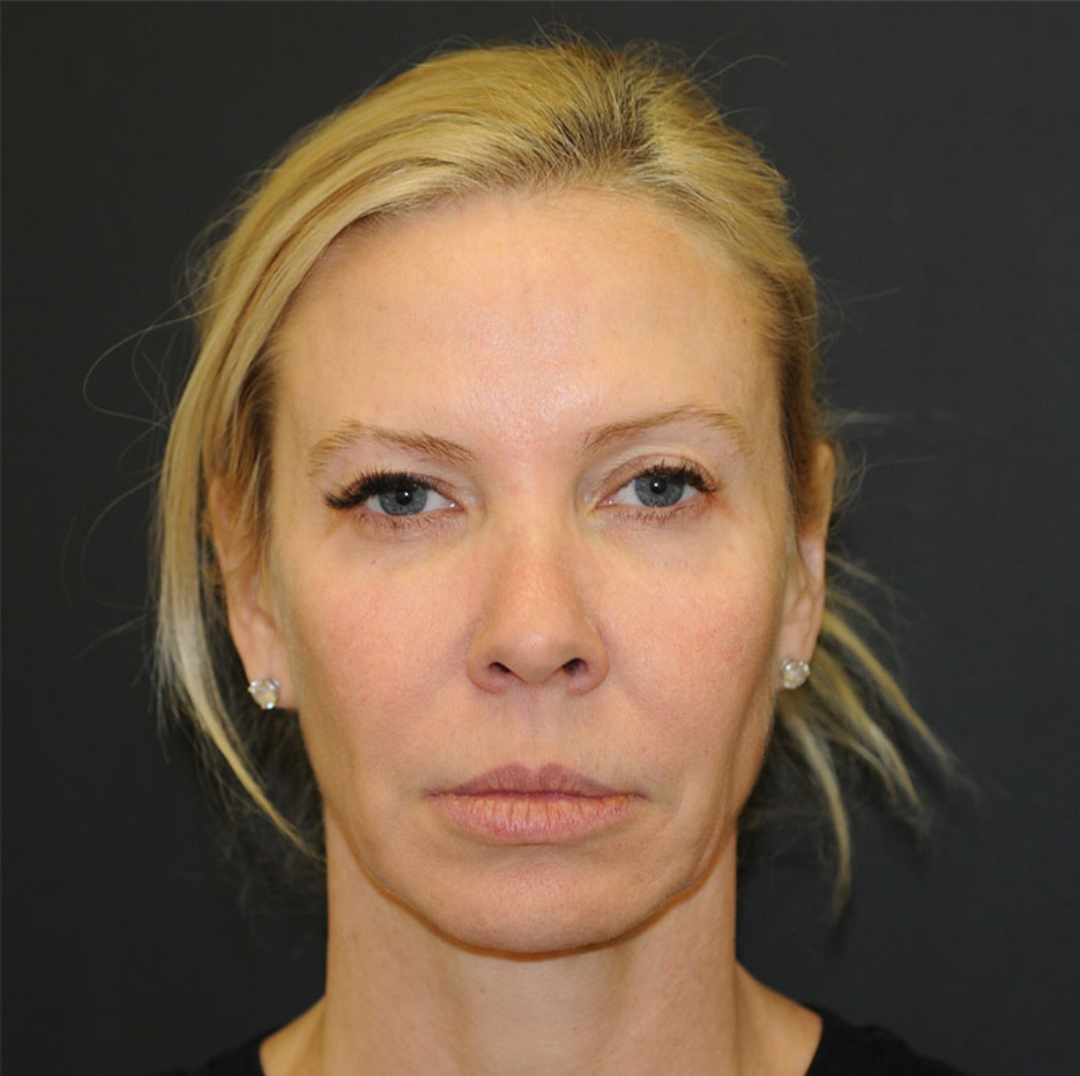
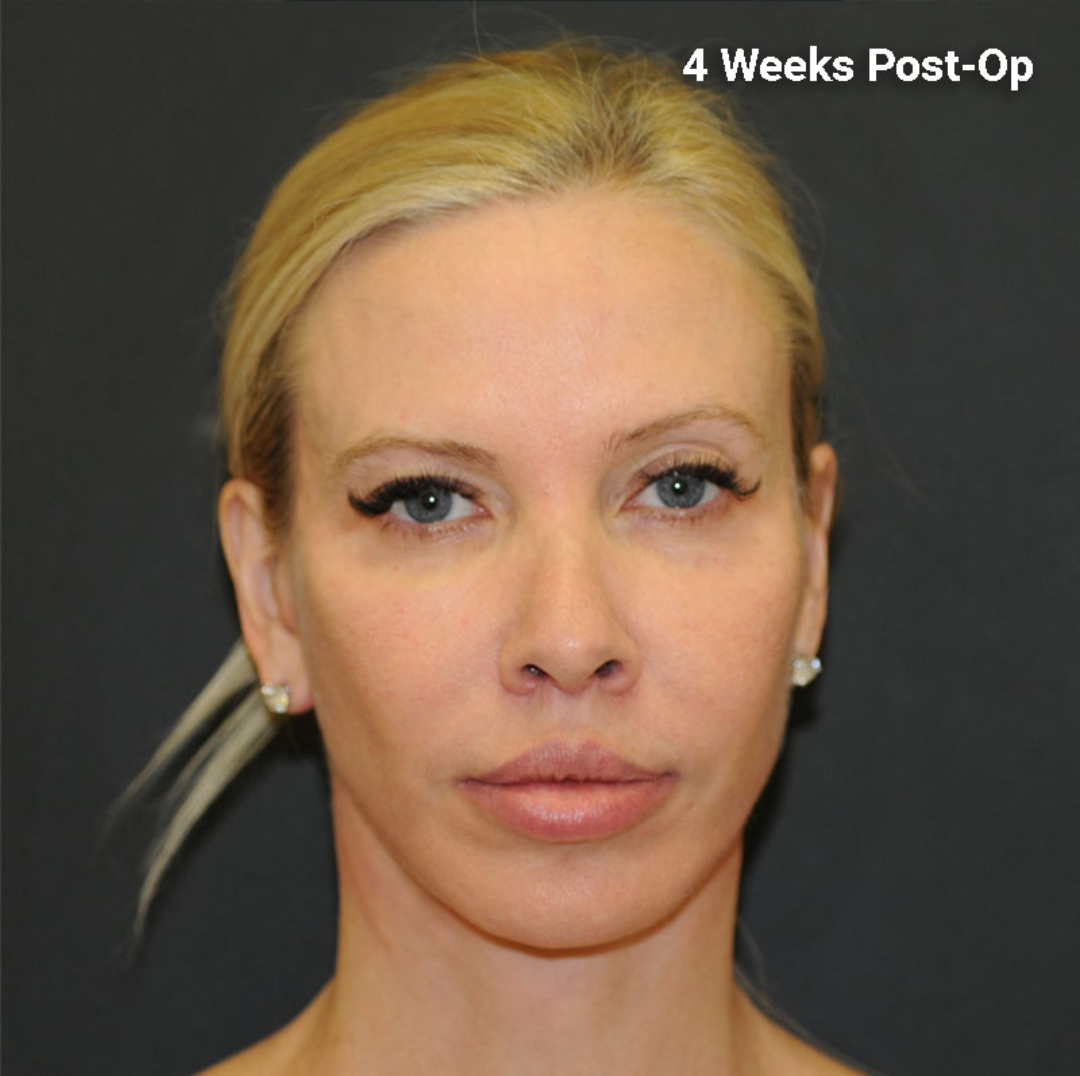
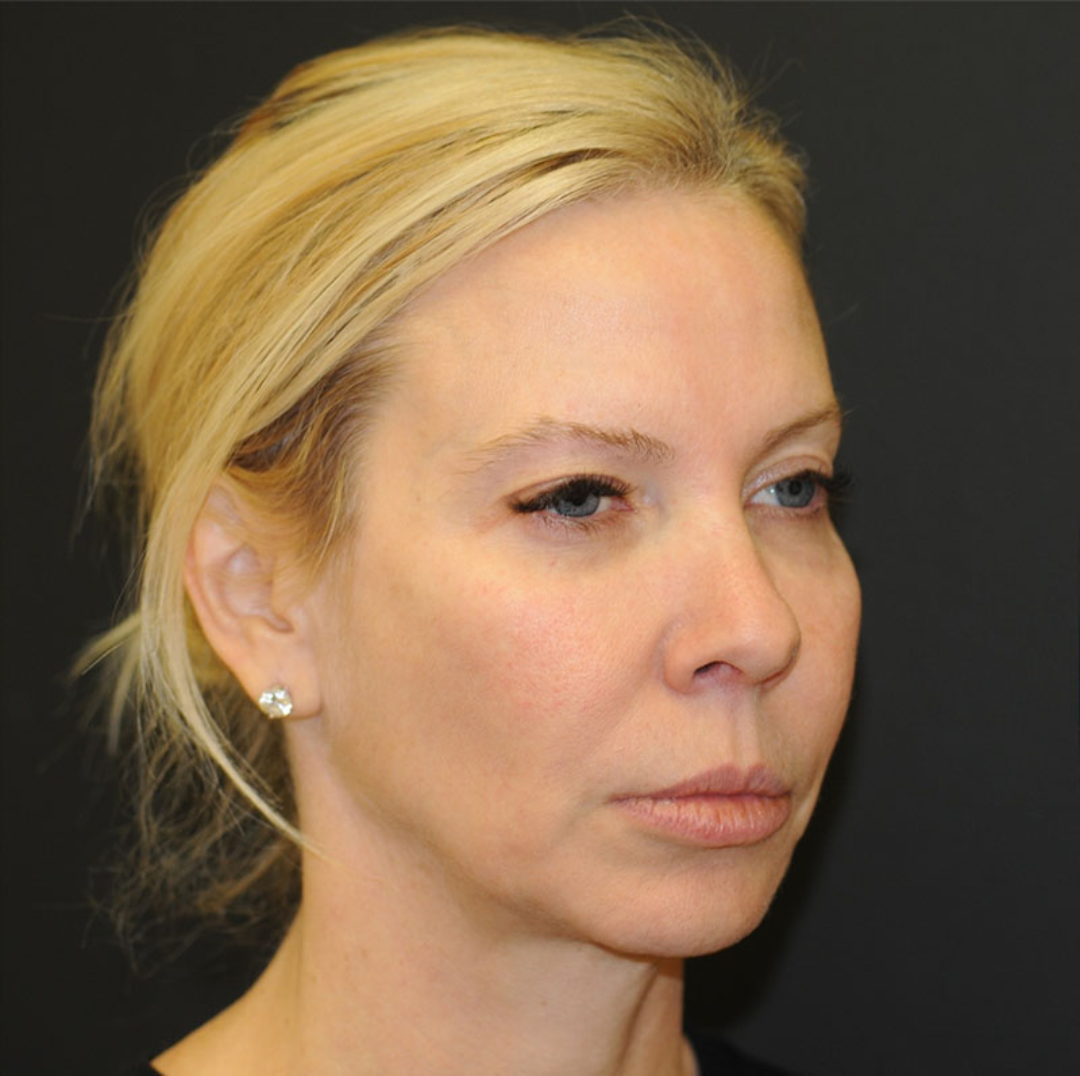
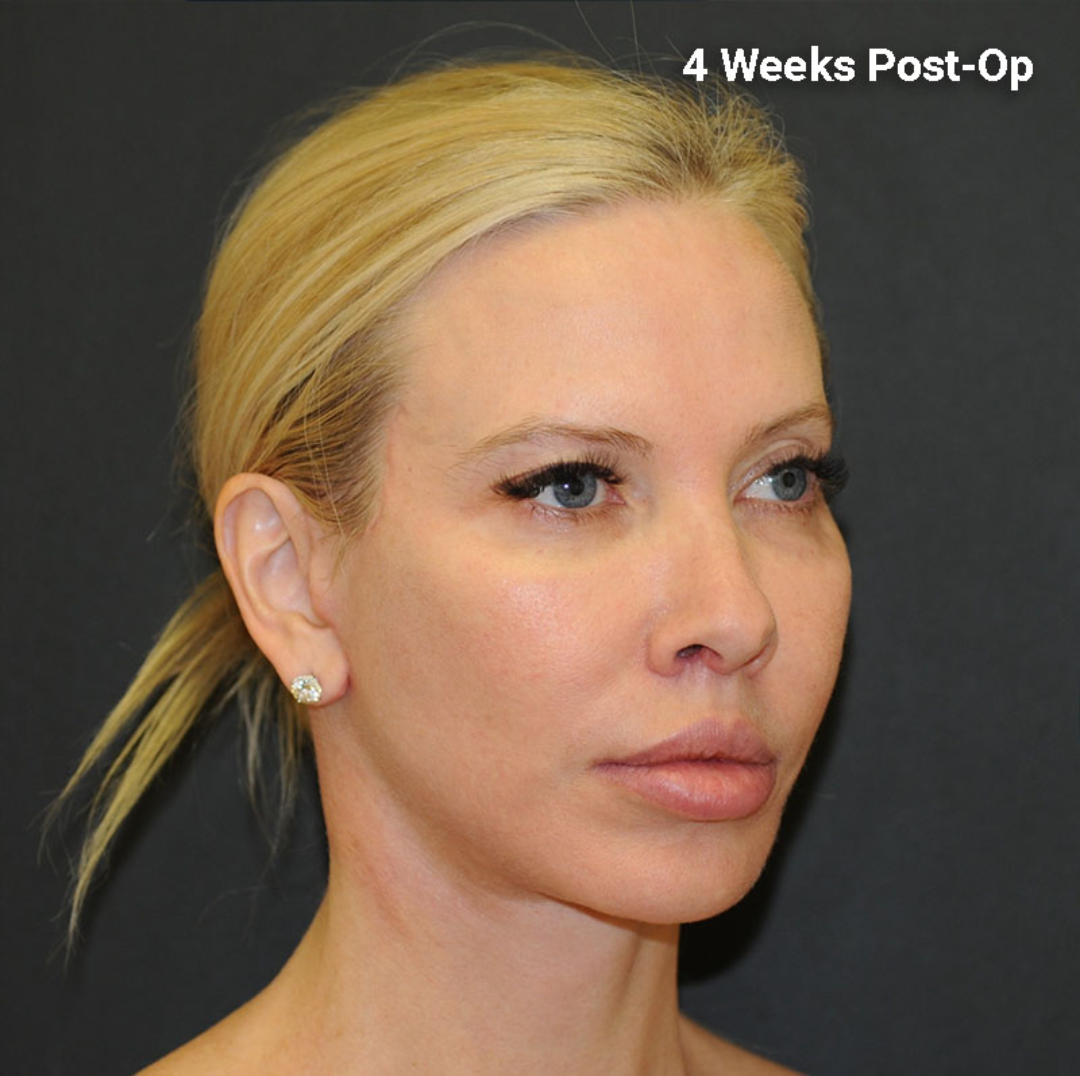
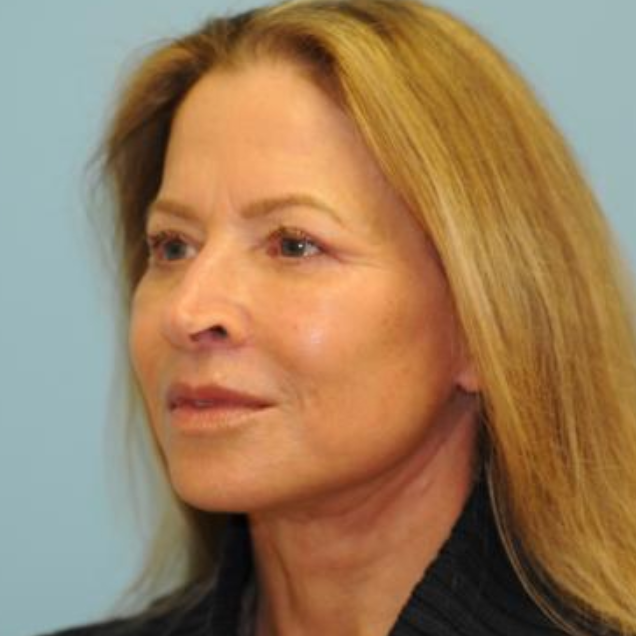
With Dr. Berlet she has had an arm lift, a facelift with eyelid surgery and a lip lift, and a lower body lift to rebuild her hips and buttocks, most of it in the office under local anesthesia. She describes using meditation to get through the numbing, and walking the runway at New York Fashion Week just 10 days after her face surgery. A breast lift and thigh lift are planned next.
Host Kerry Berlet reads a note from Diane’s son, who says he has never seen his mother this happy, and Dr. Berlet explains why he stages body contouring and calls himself ‘a glorified tailor.’
Procedures discussed
Transcript
Kerry: Hello, welcome to season 2 of Once Upon a Surgery. I’m the host Kerry Berlet, wife of world-renowned plastic surgeon Dr. Anthony Berlet. Today we have a very special guest with us, Diane, who is not just part of the Berlet Plastic Surgery team. She’s part of its heart. She has worked with Dr. Berlet as a nurse in his office for years. How many years?
Diane: Like 30 years something. I’ve known him for 30 from UMDNJ. And came to the office in 2010.
Kerry: Wow. Okay. So long time. And Diane has been through quite a transformation. Quite, you know, some real lows there. So, we’re going to go back to the beginning and now I’m happy to say that we’re in a very wonderful place for you, right?
Diane: Yes.
Kerry: But let’s talk cuz I know part of your story involved some malpractice by another doctor years ago, right? Or how long ago was that?
Diane: About 8 years ago, I woke up one morning with severe pain in my eye. Saw the ophthalmologist and he said, “Oh, you know, get to the ER. You need this, this, and this. Your pupil’s not working.” Still had vision, presented myself to the ER, and I know how to present myself cuz I moonlight as an ER nurse, and I was telling them all these things. They just pooh-poohed my opinion off, and they’re like, “It’s a migraine. It’s a migraine.” Turned out to be a tumor wrapped around my optic nerve. And when the pain stopped is when the blood supply got cut off.
Kerry: Oh my gosh.
Diane: And my vision was dead in my left eye.
Kerry: And how long, like was this overnight? I mean, how fast?
Diane: This was over six days of them like playing games when I’m going, you know, I need an MRI. I need an MRI. Can we do an MRI? And they didn’t do an MRI. No, they wouldn’t even get me a [inaudible]. So, in the end with the whole malpractice and everything, it turned out that the experts had said if I had surgery in 6 hours, not 6 days, I would have still had my vision.
Kerry: Oh my gosh.
Diane: So, finally this past summer, it came to a settlement.
Kerry: Wow. So now, so which eye?
Diane: It’s this eye. The left eye.
Kerry: And so you can’t see out of that eye at all now. Oh my gosh. That’s so tragic. And then just out of nowhere, you just woke up with this pain. Okay. So, but you continued to work obviously. And what was your life like? I mean, after going through that experience? I can’t imagine.
Diane: Well, I had to relearn a lot of stuff, since I didn’t have any depth perception or peripheral vision. And like, I’m able to drive only during daylight. I’m entrapped at home when it gets dark. So, I had my pity party through my depression and ate through it and I like ballooned up to 264 lbs.
Kerry: Oh wow. And how tall are you?
Diane: [inaudible]
Kerry: Okay. Oh wow. So I mean it’s just a cycle of, you know, depression and eating.
Diane: Yeah. In May 2022, my kids flew up for my mom’s funeral. We took pictures and I was very heavy in them, but I didn’t see it really. It wasn’t until my friend had a heart attack in January ’23 and I’m sitting in the waiting room there. I’m just going through old pictures and then I saw it. And I’m like, “Oh my god, you’re so heavy. You’re so fat.” And I said to myself, and I was buying clothes for a size 10 because I thought that was me.
Kerry: So did the clothes just not fit?
Diane: Went into the closet and that was the day I started really.
Kerry: Mhm. And so I mean you can put on all this weight but there’s always some moment where you don’t realize it and then it just hits you. So then how did you feel? You’re like, I immediately have to change this.
Diane: One, I’m not going to die of a heart attack. Two, I survived the whole thing with my eye. And three, I have to get healthier. Plus, I wanted to look better, right? And I immediately, you know, read some people’s philosophies about how to do it. And smaller portions, only eating when you’re hungry, you know, putting your fork down so you eat slower.
Kerry: Yeah, that’s big, right? Because it takes a while for the brain and stomach to connect that you’re full or whatever. So you started, this was like a whole diet program.
Diane: Yeah. So I started that, I was losing weight steadily and then by December my daughter was telling me she was on Mounjaro and she was losing weight left and right and I’m like well mine’s not moving that fast. So guess what? I’m going to go on Mounjaro, right? And it’s a miracle, right?
Kerry: So how much had you lost at that point?
Diane: I lost about 80 lbs.
Kerry: Okay. Wow. So that still is a significant amount. So from 264, 80 lbs. Okay. But still heavier than you wanted to be. And I’m sure then it gets more difficult, right?
Diane: Yes, I did. And I, you know, I started at the lowest dose, worked my way up to the maximum dose of maintenance, and now I’m starting to taper.
Kerry: Yeah. I mean, I saw you before and you are like half the person, I would say, right? Are you about like half the weight?
Diane: I’m 140 right now.
Kerry: Wow. Yeah. So literally almost half the size. That’s crazy. And so how did you feel after you lost the weight?
Diane: Like fantastic. Like every time the scale moved like even half a pound I was like yes, I’m still doing it right. There was some cheating of course, that’s part of it. But it was like if I had a craving I would satisfy it. And then I’d be like, “Okay, I don’t need to think about that anymore.”
Kerry: Yeah. But I mean, it just takes so much determination to have that much weight loss, but then I know since then that led you to surgery, right? And so obviously working as a nurse in a plastic surgeon’s office, you were always aware of that. Had you ever prior to losing weight considered having plastic surgery?
Diane: So I did have a tummy tuck by Dr. Berlet. Like back in 2008. Prior to all of this, right? And I loved it, but I ruined it. Yes. You know, and then a year ago, we started planning dates for surgeries and because the case hadn’t finalized even though we had all these court dates, I was like, “Pam, we have to cancel. Pam, we have to cancel.”
Kerry: Cuz you wanted that because, right, you got the settlement.
Diane: Yes. So May of this year I got the settlement and that’s when we picked firm dates.
Kerry: Okay. That’s amazing. I mean I think it’s also again a beautiful, like, you have something traumatic happened to you and then, you know, through the legal process you did receive something monetary as a result and now you’re using that to kind of again take control of your body and take control of your life really, right? You probably felt like you were kind of in limbo while you’re waiting for this to come. And how had your life changed? Do you think now that the settlement came your life has changed, or had you already, you know, it was changing all along?
Diane: The catalyst for the surgery was the settlement. Like now it’s okay, comfortable that I could do all this, because yeah, it is expensive.
Kerry: Yeah. But I’m sure it’s worth it, right? And then we’ll get into, cuz you have completely transformed. And so basically you lost all the weight but then you had, of course, we see this, all the loose skin, right? And so even though you lost the weight and you felt happy about that, you still were unhappy with the body, right? Cuz the skin had elasticity, I’m sure. And so then what was your top priority? What was it that bothered you the most after having lost that?
Diane: Your arms. Right. My arms were the biggest thing and I just thought they were so huge and disgusting. I was working out, rowing, you know, 3 days a week, which is great exercise. The muscles were building, but the bat wings were still there, right?
Kerry: I mean, nothing can change the loose skin, right? No exercise. Okay. And so you did your arms first, right? And that was under local, right? And you’ve been a nurse all along. Do you think being the nurse you were more prepared going in? Was it what you thought it would be?
Diane: Yeah. And we planned out like no narcotics, right? I said, you know, I was going to meditate for the numbing process and it worked.
Kerry: Oh, really?
Diane: And it worked. It was an easy recovery, as was the face and eyes.
Kerry: Really? It’s crazy because you had done the arms and then you did the face and eyes and I saw you two days after, you’re here practicing your modeling for our fashion show we did, which was incredible. I guess maybe because you see the patients all the time, but for you to be out there, you know, 2 days after surgery, that just takes such courage, right?
Diane: But you know what? I was hesitant because I never did anything like that, but I’m like, “Yeah, you know what? I’m gonna go.”
Kerry: You know, it was 10 days after your surgery when you ended up walking on the runway, which was crazy. And you looked amazing. 10 days out, you know? I mean, no visible bruising. That was crazy. And so now you’ve done your arms and then you did a facelift, eyes, lip lift, and the SMAS, right? SMAS to the lips.
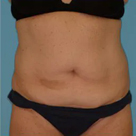
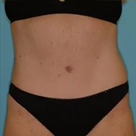
Diane: Okay. And then two weeks ago, we were going to do my thighs. But we changed that up. To where we did a back butt lift. Because with all the weight loss, my butt was about 6 in too low. So he created hips for me and a butt for me.
Kerry: Amazing. And that was a little tougher, was it?
Diane: Yeah, that hurt a little more. That I had to take something for.
Kerry: Wow. I mean, it seems so tough, but you’re basically creating an entire new body almost, right? A whole new person. And then do you feel like with each change you have been happy? I mean you kind of know what to expect having seen all these patients through the years, but do you recognize yourself in the mirror after all this?
Diane: Yeah. And I look and I’m like finally I’m back to where I was, you know, before. Like not that I was thin when I got sick. I was about 200 lb. But now I’m in the best shape I’ve been in.
Kerry: Yeah. I mean, you look amazing. So now you’re like 60 lbs below where your normal weight was before anything happened, right? And so you feel like it’s kind of been almost like a rebirth in some ways.
Diane: Totally. Totally. Fresh perspective, positive perspective. Do a lot of meditation and relaxation.
Kerry: That’s your thing? So when did you get into meditation?
Diane: Well, years ago, I learned mindfulness cuz I did so much trauma in the hospitals. That I just had to file it away. Because there’s always someone else coming in, right? And you just learned how to deal with that. And then through all these ups and downs and the drama of relationships, being heavy, not heavy, you know, my mom’s passing, all that type of stuff. I just used it to like keep my head on straight, right?
Kerry: To kind of escape. It’s like basically meditation, you take a break, right, from life. Wow. And the fact that you could use that for the surgery, I’ve never heard of that, that’s interesting. And you didn’t take any painkillers? With an arm lift?
Diane: No. Nothing. So what I did take before the face and the arms was some ketamine. And Dr. Berlet was aware. I put my earbuds in. You know, my phone was over there somewhere playing my meditation music. And my intention that I went in with was no pain. And it worked. I got through the numbing process, which is all I needed. Cuz ketamine works for 20 minutes. And it worked.
Kerry: Wow. That’s remarkable. And so now you have new arms, new butt, new face, new eyes. And your lips look amazing. Again, it’s that SMAS, like they look fuller, but not in a bad plastic surgery way. Not a Juvéderm way. Right. Exactly. And so, what else is on the list?
Diane: So, we were discussing this the other day. We were going to do my thighs in January. And he goes, “You know what? Let’s do a breast lift in the office.” I’m like, “All right.” He goes, “Cuz you have granny boobs.” And I’m like, “Yeah, I do.” I said, “I really do.” And then in February, we’ll do my thighs and be it.
Kerry: Okay. Perfect. So I guess you have that kind of relationship where you can just be frank. And he’s like, “This is what needs to be addressed. This should be the order of events.” And I’m sure it must be so satisfying, again having been through all the trauma and now, you know, comfortable financially, but you’re still working, right? Has your outlook on life changed? What was your social life like before? Are you now starting to come out of your shell?
Diane: Yes, I’m coming out of my shell. Doing more. You know, I can now do Ubers in the evening if I want to go anywhere, where before the money was tight and I had to watch it, right? Funny thing, when I went down to Texas in July, I had my little pink purse and I was wearing like similar black pants but a black tank top that was slimmer. And my son’s texting me like, “Where are you? Where are you?” I’m standing right by the arrival board. He goes, “You walked right past me.” Goes, “Do you have a pink bag?” I’m like, yeah, that’s me. He said, “Ma, I never thought that was you.” He goes, “Cuz it’s a whole different person.”
Kerry: Oh, wow. That’s amazing. Wait, do you know what he wrote to me? Oh, you have to hear it. This was so sweet. And I saw during the fashion show you seem to really love it. You found like this group of women that you had almost a sisterhood with. You’ve been their nurse and you connected. But then he sent this note to Dr. Berlet, so I just want to read you. He says, “Dr. B, I just want to reach out and thank you and your wife for including my mother in the fashion event yesterday. Ever since recent events of her losing weight, her cosmetic procedures and becoming healthier overall, she has gained a confidence I haven’t seen. I do not think I’ve ever seen her this happy ever.” And then he wanted to take you to dinner. So anyway, I thought that was so sweet. And do you really think that’s true, that this is the happiest you’ve ever been?
Diane: Yes.
Kerry: Wow. That’s amazing. And I’m sure it’s everything, that you have concluded this lawsuit, but you think having this new body really just changes your whole outlook, right?
Diane: It does. It does, for the positive. Thing one, clothes, you know, I go to this one place in Caldwell, the Puttin’ on the Ritz I told you about, and she helps me find different new types of styles and colors to wear cuz I said I want to get away from blacks. And she gives me confidence in the clothes I wear. So then I can go out and have the confidence to go like to the mall and wander around or go sit in a restaurant by myself and have a meal, you know, and not be like frowned upon as someone old and fat.
Kerry: Do you think that happens? Cuz if you’re sitting there alone, people are like, “What a loser.” And now you’re like, “Oh, who’s this hot babe?” Right. I feel like with those other patients you connected with in this fashion show, a lot of these people had lost the weight and mentally it’s a whole adjustment period when you’re in this new body, right? You have to learn how to dress differently. And like walking, moving, dancing, everything feels different, right?
Diane: Exactly. And the other day I went over to Short Hills Mall. Not super dressed up, no makeup, but like a nice pair of pants and a shirt. And I was actually taken seriously when I went into different stores. Shocked at a lot of prices, but I had a lot of fun.
Kerry: Wow. So that’s so sad. So there really is almost like weight discrimination. If you went in there before in your heavy self you’re just treated differently.
Diane: Yes. They wouldn’t have paid as much attention, where when I walked into Tiffany’s yesterday, they said, “Hi, good morning. How can I help you?” And I knew what I was looking for, which was one of their wallets. And I thought it might be that necklace. It’s just so pretty. Cuz I was looking for my daughter’s graduation gift. And I found it. And I’m like, “Yeah, I’ll take that.” And I gave her my credit card and rang it up and she goes, “That’ll be $650.” And I just had to go through with it. I couldn’t at that time be, “Ooh, too expensive.”
Kerry: Right. I mean, you can always return it if you’re sticker shocked at the price, right?
Diane: But I was like, “Ooh, that’s very nice.” She goes, “Do you want me to wrap it for you?” I’m like, “Sure.”
Kerry: Wow. So, yeah, you’re like living a whole new life, right? And do you think, I mean you just love being part of the Berlet Plastic Surgery family. Do you think you might ever, you know, move, or you want to keep working at least till all the surgery’s done? You may as well stay in the office, right?
Diane: Yeah. No, honestly I don’t know what I want to do when I grow up, right? So, I’m going to stay right where I am.
Kerry: Yeah. No, I mean that’s comfort, right? And it’s almost like your little peer group and you know that’s nice. So, all right. Well, I’m very happy. I want to bring in Dr. Berlet to talk about, you know, the process and everything, if that’s okay with you.
Kerry: Okay. So we brought in Dr. Berlet and I would like you to talk about, well first, when you first met Diane, like back in the day, right?
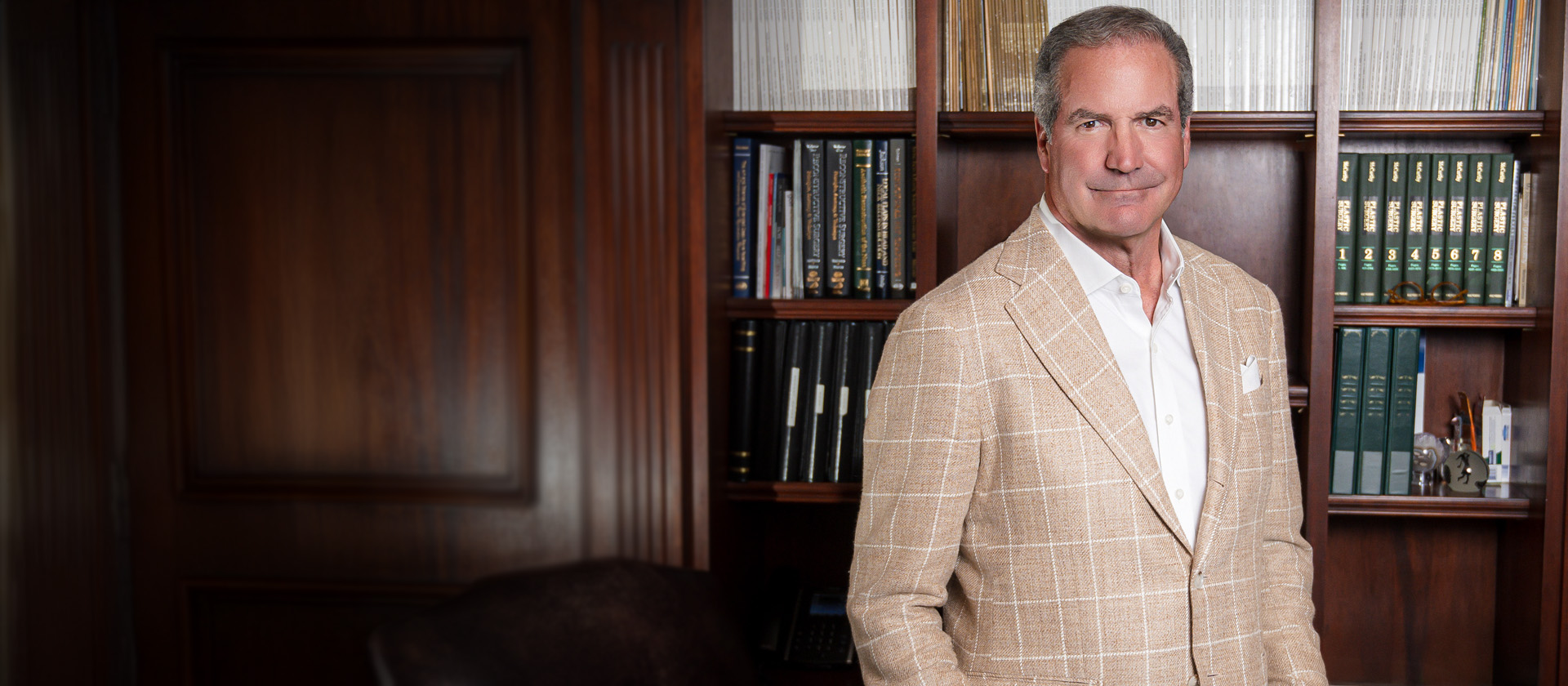
Dr. Berlet: So I was doing my fellowship in plastic surgery at the university. She was a trauma nurse in the ER. And we spent a lot of time in the ER. So, became familiar, and then later on she came to the office to revise a tummy tuck or something. Right. Exactly. She had a tummy tuck that was not great and we fixed it and at that point I think we were in need of a new nurse and she was there.
Kerry: So that was a while ago. And so now she was working in your office when this happened with her eye, right? Do you remember that?
Dr. Berlet: I do. I’m not completely clear on it, but I know that she went through the whole process and she was out for a little while and it was a disaster.
Kerry: Wow. That’s terrible. And then she continued coming to work and, you know, got through it, and then when life started to change for her and things were coming together, do you remember talking about the plastic surgery and making a plan as she was losing the weight?
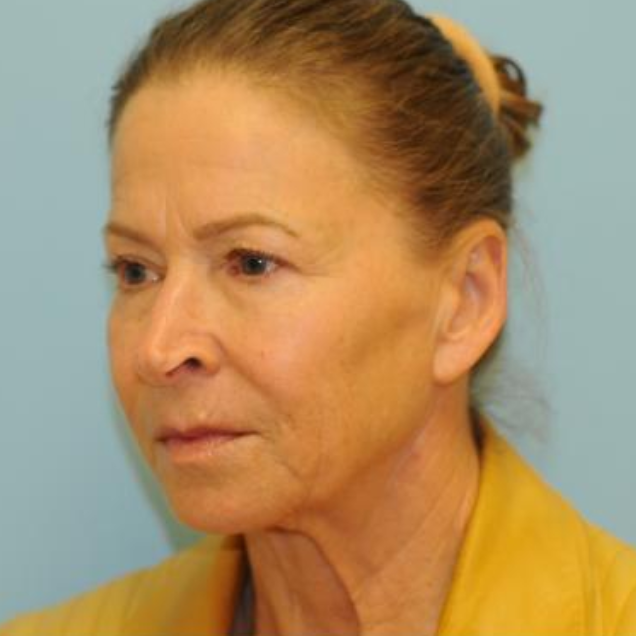
Dr. Berlet: Well, you know, you kind of fell from grace after your eye injury. It affected your health quite a bit, right? You gained a lot of weight and it just took over your whole existence. And so in the process, and, you know, recently, obviously with the great drugs that are available, you started losing weight. And we had done a facelift how long ago? 12 years ago. So we did a facelift 12 years ago. That was before she gained the weight. Before all this stuff happened with her eye, and she was looking really pretty great and then like I said the whole thing I think sort of created a cascade of some health issues. She got through it and then all the stuff that came about, sort of a change in life, started losing weight, started taking accountability for all that, and it’s like okay, I’m ready to clean this all up and get to the next stage.
Kerry: So she had the arms and then the face, then now the butt, then the thighs are to come and then the breast lift. But because you’re basically doing a full body tailoring, is there a reason you would never do all of that at once? Because it seems like you could just get it all done, right?
Dr. Berlet: Well, I mean, I’m not a big fan of doing it all at once because I don’t think it’s safe. You know, you can’t put people under anesthesia that long and so I think one of the reasons she’s so open to doing it is because we do it under local anesthesia, right? Right now she’s terrified of general anesthesia.
Diane: Well, I guess after the trauma, I don’t want to go back to that again.
Dr. Berlet: So we were able to take care of the face and the eyes under local. We do that regularly and we started doing the arms under local a couple years ago cuz we modified that technique and it seems to be an amazing change, right? The recovery was nothing compared to what it was. You know, look at that. That is a toned arm. This thing was, you know, it was way down here. When she held her arm this way, she just had crazy raisin arms, you know, it was rough. And so now that’s all resolved. And that was easy. And then actually she’s the second person that we actually did a butt lift on in the office. So we did that in the office as well, under local. And we do thigh lifts in the office under local and we’ve done actually a couple of breast lifts in the office under local as well.
Kerry: So amazing. And I just think it’s kind of fascinating that she was there rowing. So you’ve lost all this weight, so you can build the muscle, but then you still have all this loose skin. So it was still worthwhile what she was doing because the muscle was there, right? So then you’re just sort of tailoring the skin. It’s not like you’re going to lose muscle when you’re doing the surgery, right?
Dr. Berlet: I always say I’m a glorified tailor. So that’s what you’re doing. You’re creating sort of darts in the arm or darts in the body, darts in the legs to get everything back where they’re supposed to be.
Kerry: Mhm. And I was impressed because with this whole journey where we did this fashion show and Diane walked in it and she was there practicing two days after surgery, everybody was kind of like whoa, you know, cuz people hadn’t seen the facelift before, and then you guys were both so confident that she would be ready to go. The show was 10 days post surgery and you’re like yep she’ll be fine, and she felt that way too, and so that was pretty amazing.
Dr. Berlet: Well, you know, a little makeup goes a long way, too. But in the meantime, you know, the basics are all put back in place and you can be presentable in 10 to 14 days. Definitely. We pushed it with you a little bit. Walking a runway show.
Kerry: I mean, again, with vision, that’s probably intimidating too, but you did amazing, right?
Diane: I was so out of my element, nervous, but it was so much fun.
Kerry: Awesome. And you made friends from it. But you already knew everyone since you’ve been the nurse, right? So was that funny? Cuz every day you’re the nurse and then being on the patient side. You know how they say doctors make the worst patients? Is that not the case for nurses?
Diane: No, nurses are terrible too.
Dr. Berlet: Pretty much anybody in the medical profession, we’re a little bit too hyper-aware of what goes on. So we question everything.
Kerry: So I know when he was in the hospital and they didn’t wrap his hand right, so he undid it. Oh, you judge everything. Because once again, you know too much, right? But she talked about doing meditation. I thought that was interesting. Have you ever had patients do meditation prior to help with the pain management?
Dr. Berlet: I’m sure there’s some that do, but you know we go through a whole process. Every surgery, you’re building up to it. You have to get the proper diet. You have to get the proper supplements. You have to refrain from drinking and you have to be careful you’re not taking anything that’s going to thin your blood, but you’ve got to build your protein, and then of course there’s a mental preset as well, and it’s going to be a recovery. And, you know, oftentimes in the past it was very common for people almost to go into depression after they initially got it done. I don’t see that so much anymore. They just go through, oh, it’s just so much, and then, you know, the healing process was probably too long in the past. When you optimize everything you can see results much sooner, it gets you through that period. So you don’t really feel that same depression that they used to have.
Kerry: So when you’re recovering, cuz you’re bruised or hurting or whatever it is, is that maybe initial buyer’s remorse? Oh my god, what have I done?
Dr. Berlet: Right. And then you get to the next point and you’re like, holy cow, this is great.
Kerry: Right. Well, and Diane was saying she’s now treated differently with this new body and new face, anywhere you go. Do you hear that with patients?
Dr. Berlet: I’ve heard that so often. They say, you know, it’s amazing how differently I’m treated or how much more attention I get when I need something or ask for something. I’m not ignored. I’m not put aside. So it changes so many things.
Kerry: And all of that impacts your emotional well-being, right? Because it’s like a cycle. If you’re overweight and then you’re treated badly then you feel badly and then you might eat more, you know, and so it’s hard to get out of that cycle, right?
Dr. Berlet: There’s a lot to be said for confidence, right? So once you get that confidence back, you get out there, you present yourself, you represent yourself and you expect attention, you get it. I think that’s the case.
Kerry: Wow. I mean, it’s such a total treatment. You’re treating the inside and the outside and the brain somehow.
Dr. Berlet: Mhm. It’s a lot of benefits to all of it that are unexpected. And all the prep you did before the surgery, you don’t end it at surgery. You continue it to maintain being healthy. So it’s a whole process.
Kerry: Yeah. And it’s amazing to me that you’ve done now three surgeries and then you have two more to go and then you’ll be done. But you’re taking a little break, right? You need to have some time to have a cocktail, right?
Dr. Berlet: I think at this point she’s to really enjoy it, because she gets out there. You can cover up a lot of things with clothes, some things you can’t, right? And she’s on her way back.
Kerry: That’s amazing. I think even your attitude in the office is like much brighter, happier.
Dr. Berlet: It’s not a job anymore. That’s how it comes across. Like it’s fun. It’s an adventure.
Kerry: Well, you guys are just like a family. I always feel that when I come in.
Dr. Berlet: We’ve shared a lot over the years. It’s all good. And, you know, we’ve been invited to have dinner with her son in Austin. He’s very thankful for everything.
Kerry: Yeah. I read it to her. I got a little teary. But it’s amazing that just changing a few things you can have a whole new life, a rebirth, right? When you were writing that prologue to your runway show, you were listening to that and you started crying, right? It just touched you in such a way, it was so true. You get this resilience and you come back and you’re getting your life back from a place that you thought it would never get to.
Kerry: So, I just want to say cheers to Diane. Thank you so much for coming on Once Upon a Surgery. And I really think this was such a message that beauty is not only about perfection, it’s perseverance, and life tried to dim your light, but you persevered and rose above the trauma and the challenges that life threw at you. And you look absolutely gorgeous. You’re a totally new person than the nurse I would see sitting in the back of Tony’s office. And I’m so excited for your new life and your new everything, body, fashion, face, and who knows what else, right? So, cheers to you.
Diane: Thank you.
Kerry: And thank you so much for coming, and cheers to you. Great work as always. And thank you for putting up, you know, with the fashion show and everything.
Dr. Berlet: A little outside my comfort zone, but there I am.
Kerry: But didn’t you enjoy seeing all of your patients come together and walk with confidence? Wasn’t that an experience?
Dr. Berlet: I like the camaraderie. I like the fact that it became almost like a new social club or something for them. It was funny. And then when Ross showed up for the first time, he’s like, I don’t know what to do. And then he rocked it.
Kerry: Yes. I know. And he went viral.
Dr. Berlet: But you guys were all sharing something in common. And it was very empowering, I think. It was super cool to see. I have to say it was super cool to see.
Kerry: And there was no “Oh, I wish I wore that.” We all just went with the flow, right? No one, there was no drama about that. Everyone loved the [inaudible] styles and strutted their stuff, and there is something about clothing that gives you that extra confidence.
Dr. Berlet: I was surprised everybody’s willing to do it.
Kerry: When I first told him about the idea, he was like, “Well, I don’t know that anyone’s going to want to do it.” I’m like, “Guess what? Everyone wanted to do it.”
Dr. Berlet: I was surprised by it, but you do feel the empowerment of it all.
Kerry: So, yeah, it really does, right? Well, and we’ll see if we do it again. I think we should. We definitely need a reunion. Well, thank you again. This is so fun. And again, another cookie for you.
Ready to start your own story?
Meet with Dr. Anthony Berlet to talk through your goals and options.
Request a Consultation (332) 232-5630