Zoom Made Me Do It: How a Facelift Brought My Inner Youth Back

Summary
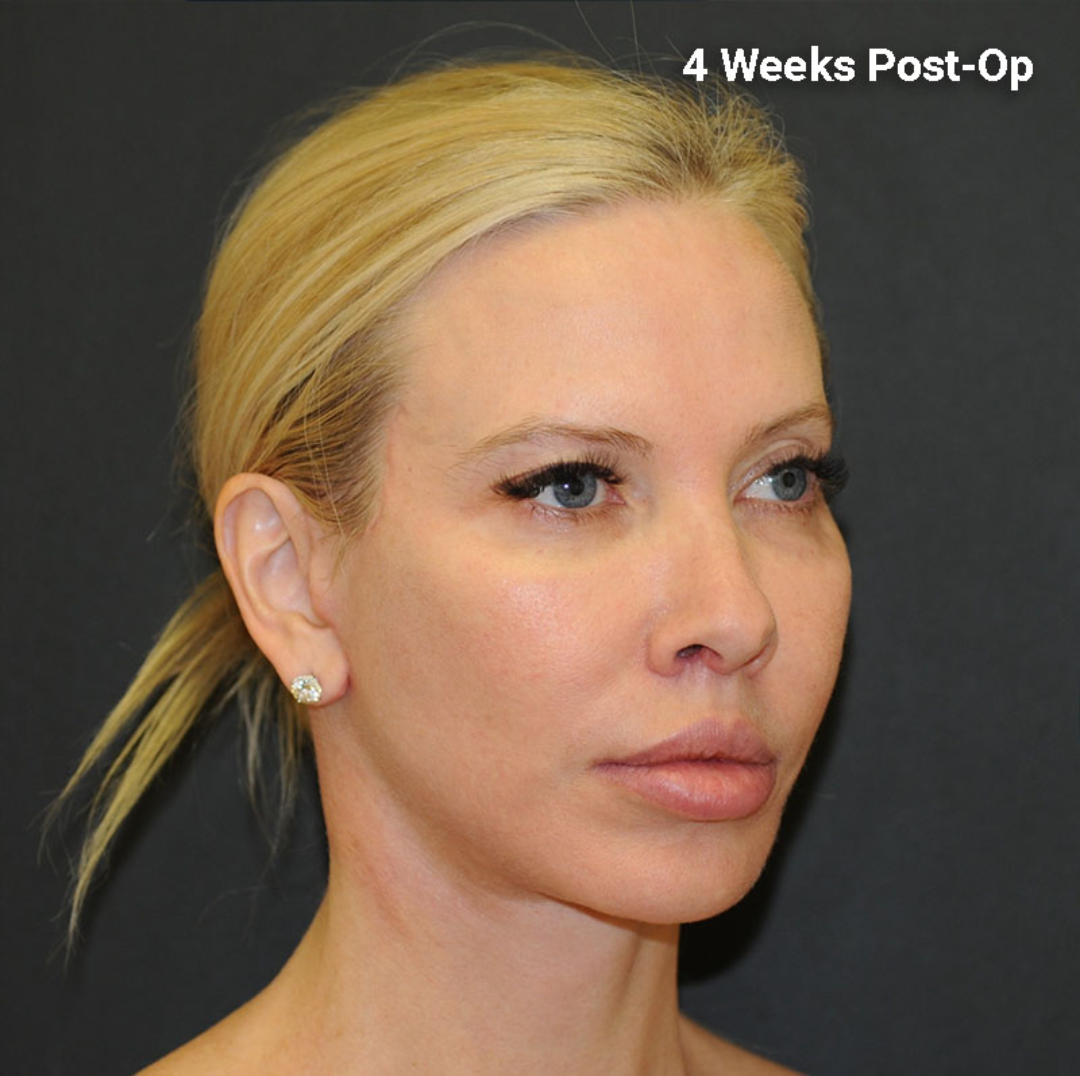
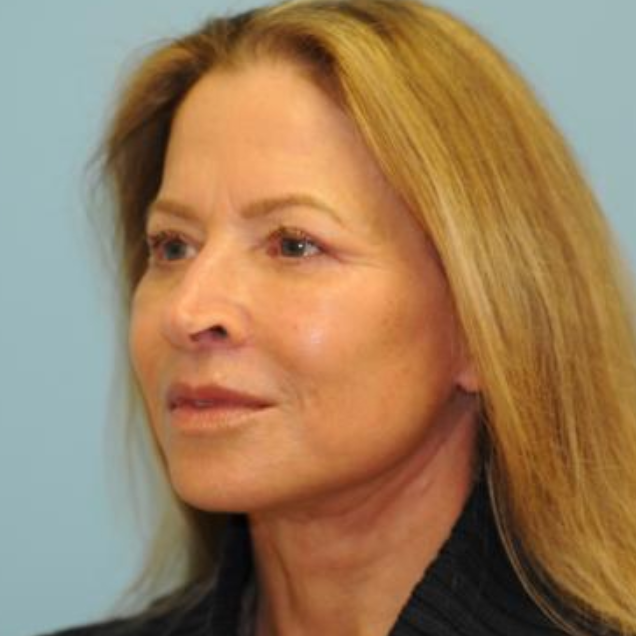
Like so many people working from home, Diane spent hours on Zoom looking at a reflection that didn’t match how she felt inside, especially her neck. At 62, and already a patient of Dr. Anthony Berlet for upper eyelid surgery with fat transfer and, later, breast implant removal with a lift, she decided it was time for a facelift.
In one in-office procedure under local anesthesia, Dr. Berlet performed a modified deep plane facelift with neck lift, a lip lift, revision upper and new lower eyelid surgery, and earlobe work. Diane tells host Kerry Berlet she was making coffee at 5 a.m. the next morning, walked miles in the days after, and felt camera ready in about five weeks. She credits frequent follow-ups and the pre-surgery supplement protocol for keeping her recovery on track.
Dr. Berlet explains why the lip lift was the piece that brought her result together, how his facelift technique differs from a traditional pull, why incisions around the ear are so hard to see, and why he now often removes implants and performs a lift rather than replacing them. Almost eight months later, Diane says she simply looks like herself, just a little younger.
Transcript
Kerry: Hello, welcome to Once Upon a Surgery, the show where transformation meets truth. I’m the host, Kerry Berlet, wife of world-renowned plastic surgeon Dr. Anthony Berlet. Today we have our guest Diane, whose before and after is just jaw-dropping. Or should I say jaw-defining? I don’t know. Anyway, welcome. Cheers.
Diane: Cheers.
Kerry: I’m so happy to meet you.
Diane: Thank you.
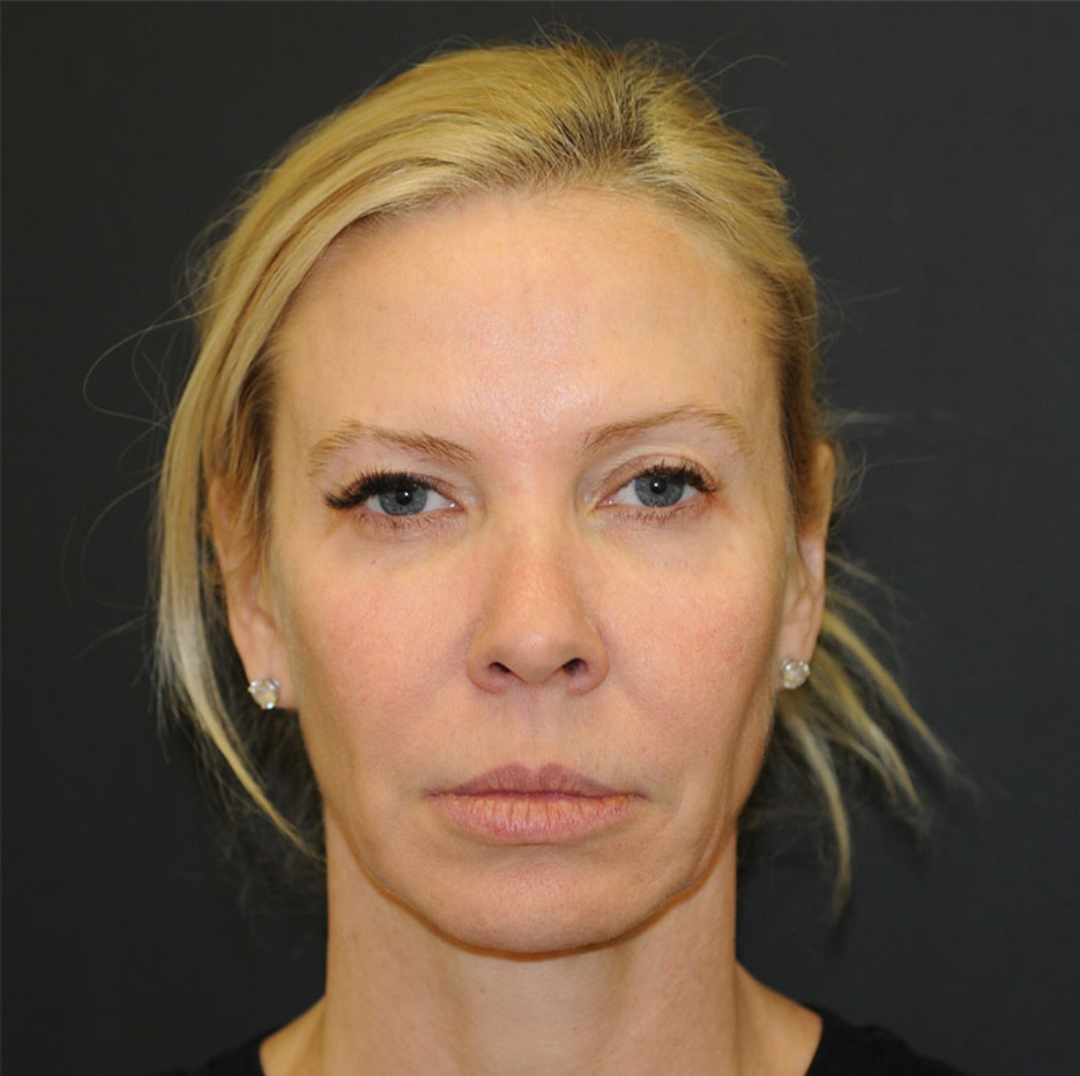
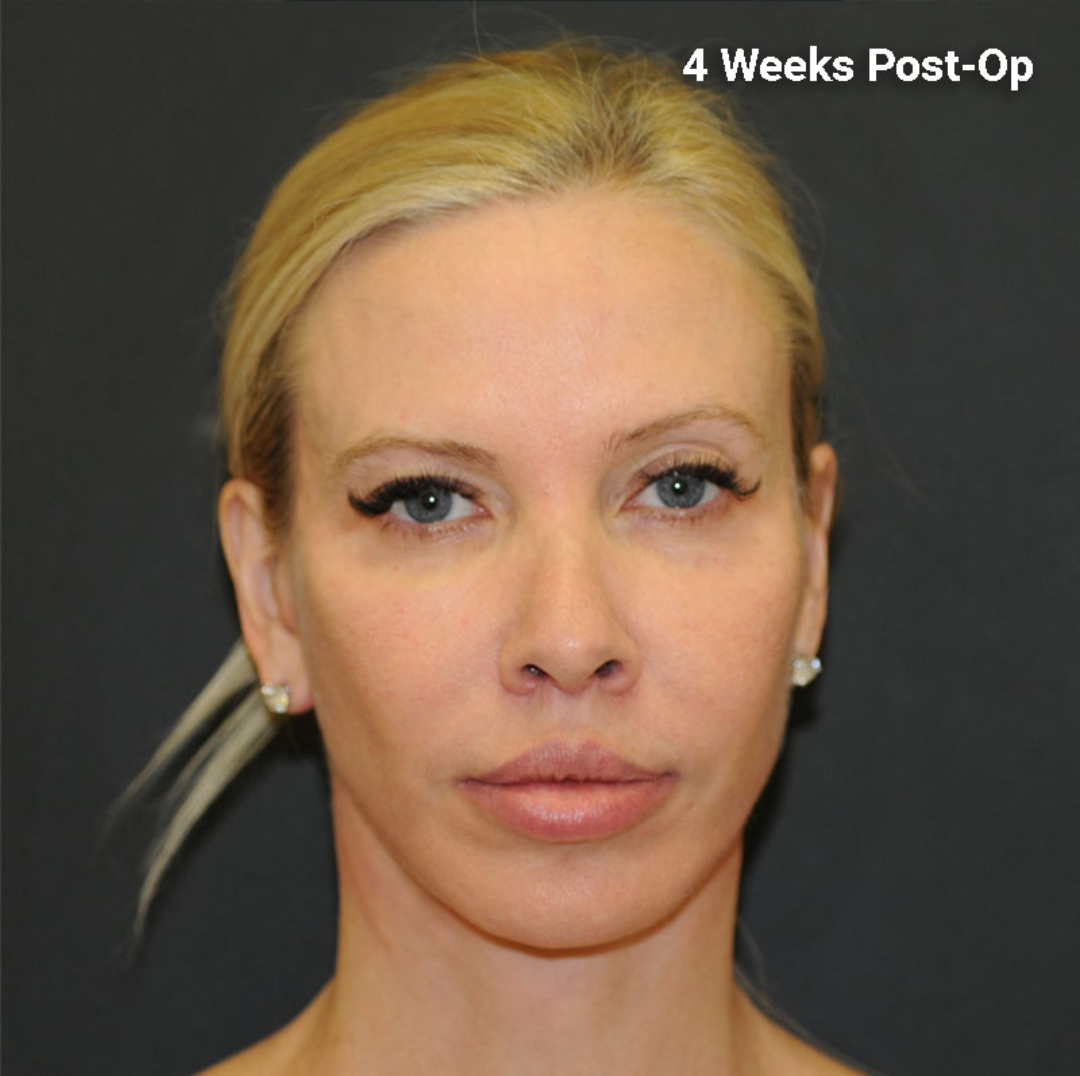
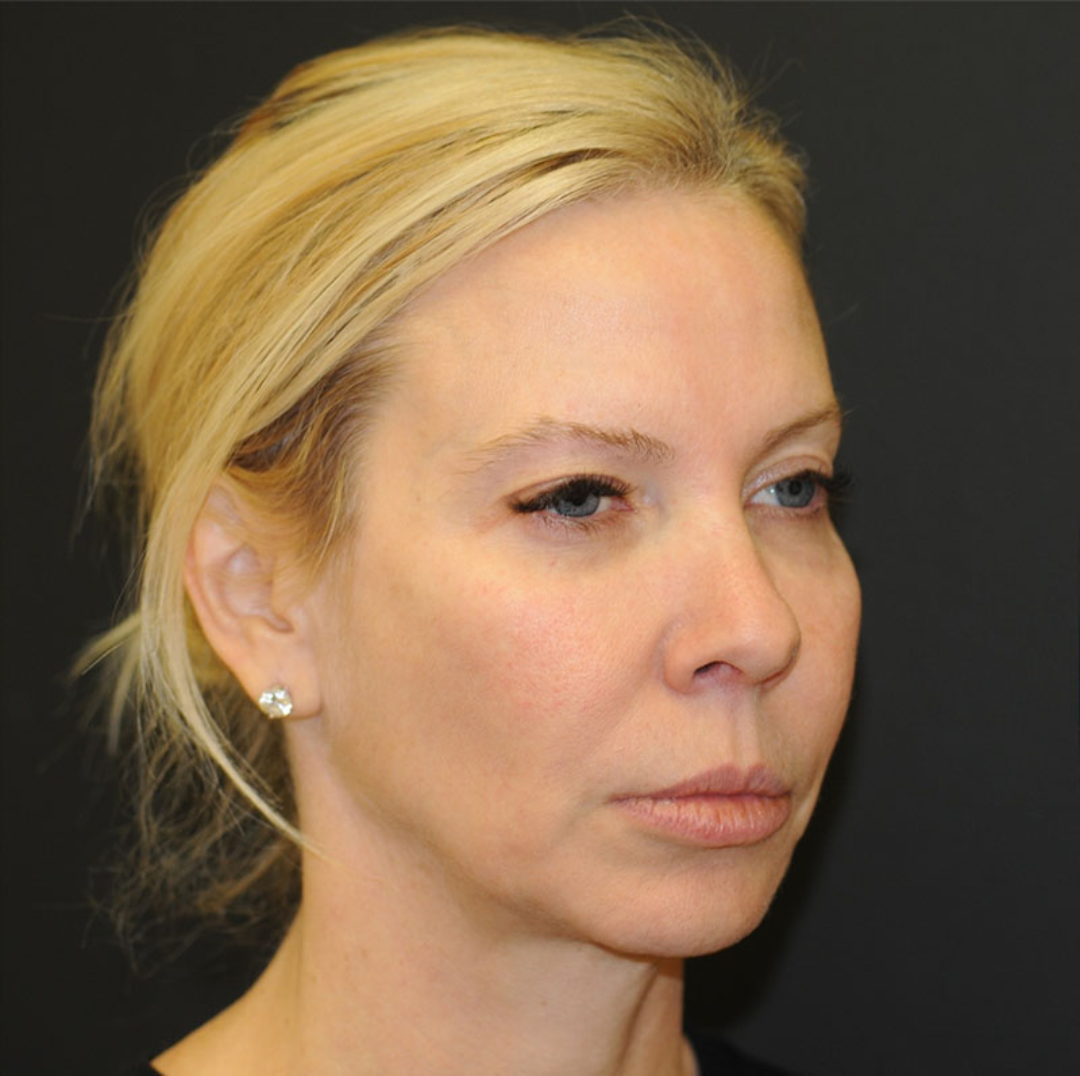
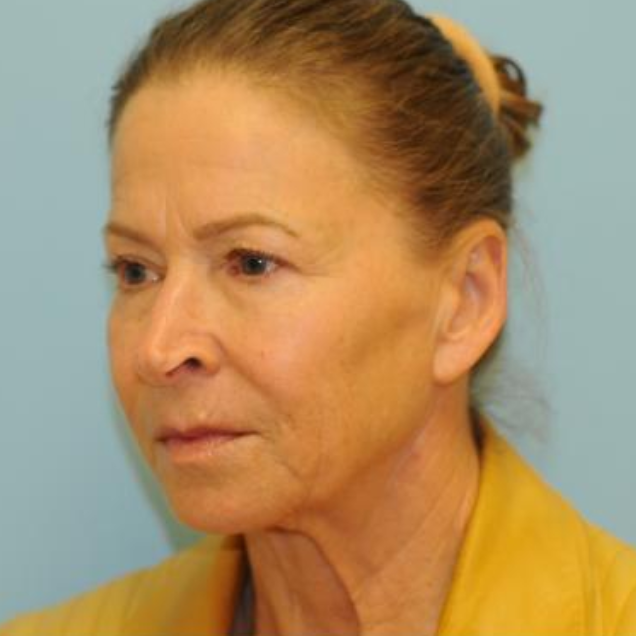
Kerry: When I saw your before and after, I felt like it was almost from grandmother to daughter.
Diane: Me, too. I felt exactly the same way. I was shocked when I saw it. I couldn’t believe I actually looked like that before.
Kerry: Really?
Diane: Yeah.
Kerry: And so, what motivated you? Like, when you felt like you just were unhappy with your face, but you just didn’t like… like the inside didn’t match the…
Diane: It was more of the inside didn’t match the outside. Like, in my head I still feel like I’m, you know, 25, which I’m not. But I just didn’t feel like the way I looked, you know, reflected how I felt.
Kerry: Right. Right.
Diane: And plus, you know, when COVID came along and everybody went home and we’re all working over Zoom, and now every day you’re looking at yourself, and you can just see, oh my god, look at the neck hanging. And like, so you’re constantly just looking at yourself, and so you just pick everything apart.
Kerry: Yeah, of course. And I mean, like, yeah, those cameras are brutal.
Diane: Yes.
Kerry: And especially, like, you have to have good lighting. I mean, we all invested in lighting. I mean, it was a whole thing, right? And so, had you ever done anything before that, or was this like the first…
Diane: Yeah. No, this was not my first rodeo.
Kerry: Okay. And with Dr. Berlet, you’ve been… okay. You knew. Okay. Okay. Okay.
Diane: But many, many years ago, I had breast implants.
Kerry: Okay.
Diane: And for years and years and years, I had them. But I actually, my first surgery with Tony was in 2020, and I had my upper eyelids done.
Kerry: Oh, okay. I was going to say, because your eyes look so bright.
Diane: Yeah, I had my upper eyelids done, and he did a fat transfer.
Kerry: Okay.
Diane: And it was great. And then, you know, so I really liked Tony, and the office is just… the women that work in the office are amazing. Like, you just feel like they’re so kind and caring and really wonderful.
Kerry: Yeah.
Diane: And so, and I liked Tony, and he had a great bedside manner, right? So, I had been wanting to take my implants out for years.
Kerry: Okay.
Diane: And I finally said, you know, I’m going to do this. So, I went back and had a consult and decided to do that the following year, in 2021.
Kerry: Okay. So eyes and then explant, right? Okay. Wow. And so the eyes, that was probably the first… COVID, right after…
Diane: Yeah. As soon as they could do surgery again.
Kerry: Okay. Right. When you opened back up, right? Right. Okay. Right. And then, with your… because I feel we hear about all these people, this explant, this is like this new trend, or I don’t know, it just seems like it’s becoming more and more popular. And so, what was it that made you… like, you just weren’t happy?
Diane: I just, you know, they just didn’t look good anymore, and I’m so thin, and they just seemed just too big.
Kerry: Uh-huh.
Diane: And I was just, you know, over it, and wanted to just finally get rid of it.
Kerry: Right. Right. Okay. So, and did you have any side effects from, like, you know…
Diane: No, no, no. And of course, he sent them out for testing to make sure that everything was good.
Kerry: So, yeah. I mean, and that’s becoming so popular now. He’s at a point he doesn’t even put implants in anymore, for, like, primary, like the first time.
Diane: Oh, really?
Kerry: Yeah. He stopped doing that completely. I mean, if someone has them… because that’s the thing, is you always need another surgery. But yeah, and he loves taking them out. He says everyone feels amazing once, you know, they do that with a lift. It’s crazy.
Diane: I never regretted it for a second.
Kerry: Wow. Yeah. Yeah. I mean, I think you look great, obviously. And, like, can I ask how old you are?
Diane: I’m 62.
Kerry: Wow. Oh my gosh. I mean, I mean, the before, I wouldn’t believe. But, like, I mean, it’s literally… like this one, I feel like, forget Kris Jenner. Like, you… I mean, like, what do you think, like 20 years?
Diane: I mean, I think, I don’t… I mean, 20 years, I think, is a little bit aggressive. I mean, you know, I’m happy to look 50, if I, you know…
Kerry: So… but no, I think you look very young. And then did people at work know you were doing this? Like, were you open about it?
Diane: Not at work, you know, but all my friends knew what I was doing. And so, I mean…
Kerry: And this, right?
Diane: Yeah. I mean, like, I don’t have a Palm Springs retreat to go and recover in for, you know, two months. So people were going to see me.
Kerry: Right. Right. Okay. And so how much time did you take off?
Diane: I took a few weeks, or two weeks, off from work, I think. And then I went back just from home, you know, over Zoom, you know, where I could not have the camera on if I wanted to.
Kerry: Right.
Diane: And then probably four weeks after, I went back to work, when I could cover almost everything up with makeup.
Kerry: Right. Right. Okay. And what exactly did you have done? You had…
Diane: So I had the facelift and the neck.
Kerry: Okay.
Diane: He did the lip lift, and…
Kerry: Your lips look amazing. When I saw the… like, that was one of the most, like, dramatic things.
Diane: Yeah, that’s… I think that might almost be my favorite thing.
Kerry: Yes. And it’s like, I mean, these are nice lips. Like, you know, everyone thinks of plastic surgery lips as those duck lips. This…
Diane: Yeah, that’s what I was really concerned about. I did not want the giant duck lips. But, and it’s so funny, because even now I’m like, “Oh, maybe I could have done a tiny bit more.”
Kerry: Right.
Diane: But like, when I first, you know, when they first sat me up and they gave me a mirror, all I could see were my lips. I was like, “Oh my god.”
Kerry: Because were they swollen?
Diane: Oh my god, they were so swollen. Yeah.
Kerry: But it goes down pretty quick, right?
Diane: Okay. It’s amazing how quickly things change. Like, every day you look a little bit different, right? And then, you know, you go back in two weeks, and it’s incredible, the transformation.
Kerry: Mhm. And then did he… what about your ears?
Diane: Oh, yeah, he did… I guess my earlobes were, like, attached a little bit, so he had to, he, like, you know, had to go around there.
Kerry: So, I see. Okay.
Diane: And it was funny, because at one of the follow-up appointments, he goes, “I guess we have to re-pierce your ears.” And I was like, “No.”
Kerry: Oh, you never had your ears pierced?
Diane: I did years ago, but I let them close up, because I was so freaked out by it.
Kerry: Oh, really?
Diane: And so I left there and I was like, “That is ridiculous. You let him do surgery on you under local anesthesia in the office, and you won’t let him pierce your ears.”
Kerry: Is that because you’re afraid, or you just don’t want earrings?
Diane: I just don’t… it’s something about it.
Kerry: Oh, really?
Diane: Freaks me out. Yeah.
Kerry: Yeah, that is crazy, that you had a facelift but not your ears. And that’s, like, nothing. I mean, my daughter did that.
Diane: I know. I know. Everyone does it.
Kerry: Yeah. Wow. That’s so… that’s so crazy. And now, and so do you have family, or, like, the…
Diane: No. Yeah. Everyone… yeah, they, all family and friends, and everyone was okay with it.
Kerry: Yeah. Okay. Yeah. All right. That’s nice. That’s great. And, like, so… and I don’t see, like, it doesn’t look like you have scars.
Diane: No, I mean, like, this is… you can’t see anything here. Nothing.
Kerry: Yeah. I mean, it’s really…
Diane: And the stuff in the back is pretty much all covered up.
Kerry: That’s amazing. Yeah. Wow. He does a good job.
Diane: He does.
Kerry: Like, you don’t look plastic at all.
Diane: No. Yeah. That was, like, one of the things I was worried about. Like, I just wanted to look like me, just a little bit younger.
Kerry: Right. Right. Right. Yeah. And so, because you had had the fat put in your face before the facelift, right? Okay. And so you didn’t need to do more.
Diane: Okay. No.
Kerry: Okay. Interesting. No, it looks really good. Like, you’re so defined, and I mean, crazy. All right. And so, what about, like, were you nervous to do it under local? Like, what was that like?
Diane: It’s funny, like, I… not really. Like, I had, because I had had my upper lids… oh, he did my… he revised my uppers, and he did my lowers too this time. I forgot about that.
Kerry: Yeah. Okay. So, you had had the uppers done before, but then also as part of this. Okay.
Diane: But when he did the uppers, it was in the office, under local, and I just remember thinking, like, oh, that wasn’t so bad. Like, wow. I mean, like, I was aware that he was doing things, but, like, not really what was going on.
Kerry: Okay.
Diane: So I was like, “Oh, all right. He does it in the office. I’ll do it in the office.”
Kerry: Wow. And so then, in one day, you had upper, lower, lip lift, and facelift, and earlobe revision.
Diane: Yeah.
Kerry: All, like, in one. How long do you think that took? Well, we’ll ask him, but…
Diane: Yeah, I’m not sure.
Kerry: Like a… and you just have a little bit of that, like…
Diane: Well, you know, I will say, I had, like, 20 milligrams, I guess, they gave me.
Kerry: Okay.
Diane: And, you know, after… I think it might have been three hours altogether. And after a little while, I was like, I think I could use another one. So they gave me another one. And then when we were getting towards the end, I was starting to get uncomfortable, and I said, you know, I could use another one. And she was like, Rose was like, “Nope, you’ve got 25 milligrams of Valium in you. We are not giving you any more, skinny.”
Kerry: Too…
Diane: And I was… yeah, I’m thin.
Kerry: So, right. Right. Okay. Right.
Diane: So, towards the end, it was a little uncomfortable, but, you know, it was fine.
Kerry: Yeah. Right. And that’s… does that make sense? Because then, like, with the eyes, that’s where you’re bruised. So, you need a little, like, camera off from the Zoom, right?
Diane: Yeah. Yeah. I did have… I guess I did have a lot of bruising here.
Kerry: Okay.
Diane: Like, mostly around the eyes.
Kerry: Right. Right. Okay.
Diane: Yeah. And, like, one of them just didn’t want to quit.
Kerry: So, but hey. Like, and how long ago was that?
Diane: Oh, so I had the surgery in December.
Kerry: Okay.
Diane: So I guess I’m seven, almost eight months.
Kerry: Almost eight months in. Okay. Wow. And then how long before you were like, you think, like, you could be, like, camera ready, really?
Diane: I would say probably five weeks, realistically. Yeah. Because I had a bruise on one side that really was, like…
Kerry: Did you try [inaudible]?
Diane: Oh, yeah. I did all that stuff. I did all that, right, and it just wouldn’t go. Yeah. Yeah. I mean, I think it helped a little bit.
Kerry: Uh-huh.
Diane: But it just…
Kerry: Yeah. Okay. And now, okay. And, I don’t know if you want to answer, but are you dating anyone, or have you gone on any apps, or anything?
Diane: No. No. And not because… and I wasn’t not doing it before because I didn’t like how I looked. I just, you know, in my early 50s, I really, really made an effort on the apps, which are horrible.
Kerry: But that’s how I met Dr. Berlet.
Diane: Oh, okay. Okay. Well, then I’m not going to say that.
Kerry: But there are a lot of… there are so many apps, too. So, yeah.
Diane: So, I did it, you know, like really went all in for, like, a year and a half or so, and went on a ton of dates, but just never connected with anyone.
Kerry: Okay. Right. So, and so this was really just for you, that you…
Diane: Oh, yeah. Yeah. Yeah. Yeah. It’s all for me.
Kerry: That’s how you feel. Yeah. Well, that’s… I mean, you look amazing.
Diane: Thank you.
Kerry: Has there been a change, like, since you did this? Like, do you, I mean…
Diane: Maybe.
Kerry: Okay.
Diane: You know, like, I don’t have that feeling, like, ugh, when I’m on a Zoom call, and I’m, you know, you see yourself.
Kerry: Yeah.
Diane: And I’m, like, not picking things apart anymore, and…
Kerry: Okay. Yeah. Right.
Diane: So, yeah, it’s definitely made a difference.
Kerry: Okay. And how did you find Dr. Berlet?
Diane: So this girl I knew had Botox and the fat injection, and the fat injection just, like, looked amazing. And so I had been wanting to do my eyes, and so, you know, I went for a consult.
Kerry: So she was just, like, open about it, that she had done this. Okay. All right. And so she basically referred you. Like, it’s always word of mouth.
Diane: Yeah.
Kerry: All right. And that was, like, so that was the first, and that was during COVID, and so you had to wait for him to open back up, or…
Diane: Yeah. Yeah. And I don’t hesitate to tell anyone that asks me…
Kerry: Well, thank you.
Diane: …who my surgeon is.
Kerry: Right. Right. Okay. And then, so, have you had any, like, moments where someone didn’t recognize you since you did this?
Diane: No.
Kerry: Okay.
Diane: No. But, you know, people that I didn’t tell, like, look at me, and there was one girl at work, she’s like, “Did you do something?” I was like, “No, what are you talking about?”
Kerry: Really?
Diane: Yeah. She said, “You look really good. You look nice.” And she, you know…
Kerry: Right. She was, like, fishing, because something looked different to her.
Diane: Right. Right. Right.
Kerry: Like, it’s a skin cream.
Diane: Yeah.
Kerry: So funny. I know. I mean, some… not everyone likes to be open about it. But then, like, you know, and then, like, were you worried that someone might judge you, or, like, you know…
Diane: No. Like I said, you know, with friends and family, I don’t care. And if she came out and asked me, right, I would have just said it. I’m not, you know, I’m not one of those people who is pretending that this just happened, you know, overnight.
Kerry: Right. Exactly. Yeah. All right. And I mean, to me, I feel like you look, like, perfect. Or do you think you’re done now for, like…
Diane: Well, you know, it’s funny, you know. Sometimes Tony looks at you and he gives you that look, like, hmm, maybe…
Kerry: Should do a little something, right?
Diane: Well, just today he was like… he decided I needed Botox in my chin.
Kerry: Oh, well, I definitely need some. Mine hasn’t kicked in yet. So, don’t… that’s all right.
Diane: No, I could definitely use some Botox, but I go through it so quickly.
Kerry: Oh, really?
Diane: So, yeah.
Kerry: Okay. So, because certain people, it lasts differently.
Diane: Yeah. Yeah.
Kerry: Okay. So, day by day, like, take me through, like, the process of, like, the healing process. Because I know, you know, like, he did my eyes, and I remember, like… and of course, like, I’m the wife, so I was like, “Don’t like this,” you know. I was like calling him constantly, like, worried about, like, how things, you know, as I was healing. So tell me, like, you leave the office, and I know you look like you’re all swollen. You have the thing around your head, right?
Diane: Oh, yeah. I actually had my friend, who picked me up and brought me home, I had her take a picture of me with the whole thing on my head. It was horrifying. And, like, the lips out to here. I couldn’t even… when I got home, I wanted to take an Advil or a Valium or whatever, and just go to sleep. And my lips were so big, and I couldn’t really move them, like, the way you need to. And I was just, like, pouring the water in my mouth to swallow the pill.
Kerry: The pill. Oh my gosh. And were you, like, did you ever have a moment, like, why did I do this, or…
Diane: No, I will say, like, when they first, you know, sat me up and gave me the mirror, I was like, “Oh my god, like, what have I done?” Right? My lips were huge, right? You know, and… but, like, the next morning, because it’s under local, it’s crazy. I felt… I woke up, like, five o’clock in the morning, like I always do. Went downstairs, made coffee, and, you know, like, I just felt normal.
Kerry: Okay. Right.
Diane: And then you go back, and they take the whole bandage off.
Kerry: And what day do they do that?
Diane: The very next day.
Kerry: Oh, okay. Right. The big thing, right?
Diane: Yeah. And, you know, I didn’t really have any questions yet at that point, because you still look the same, pretty much.
Kerry: But were you able to drive, or something?
Diane: Not that day. My friend had to stay with me that night and then take me back the next morning. And I wasn’t really supposed to drive for, like, two weeks, I think.
Kerry: Right. Right. Right. But, like, because of the eyes, and…
Diane: Yeah. Yeah. And not being able to… you can’t really move your neck.
Kerry: Oh, right.
Diane: So, like, it’s kind of dangerous, in case something happens while you’re driving, and you can’t react quickly enough.
Kerry: So, and do you follow up a lot?
Diane: Yeah. So, you know, I probably went back within a few days after, you know, having the bandage taken off. And so, like, every time I would go, I would be like, “Oh, like, what is this,” right? You know, and he’s like, “Oh, that’s nothing.” And the girls are like, “Oh my god, you’re going to be so surprised how everything changes, you know, in a week, two weeks, three weeks, a month,” right?
Diane: And I remember, like, one time I went, like, the lips definitely, you know, go down, and they’re not so swollen, but I had, like, a little bump on one side. Like, it was more swollen. And he’s like, “Oh, that’s nothing, right? So, we can just inject it,” right? And I was like, “I’ll wait. I’ll, you know, I’ll see what happens.” And of course, it totally goes away, right? Or, like, you know, it was very red, like, the incisions in the back, and he’s like, “Oh, no problem. We just zap those.” You know, and it’s like there’s always whatever thing. Like, I would ask a question, he’s like, “Oh, we have something for that.”
Kerry: Right. Well, that’s good. It’s good that you’re going to follow-ups and asking questions.
Diane: And it really does look better and better, like, every couple of days. Like, you know, you have the sutures in your eyes for, I think it was a week, right? And then they take those out, and you immediately feel much better once those come out. And look better. And you can already, even before the sutures come out, you can see how much better the eyes look.
Kerry: Right. Right. Yours look great, by the way.
Diane: Oh, thank you.
Kerry: For me.
Diane: Yeah. So, yeah, so, you know, any time I had, like, something that I was worried about or concerned, you know, I would bring it up at a follow-up visit, and he’d be like, “Oh, that’s nothing. We can just do this,” and…
Kerry: Yeah. Yeah. Just makes it all better. So, how many, like, total follow-ups were there?
Diane: A lot. In the beginning, there’s a lot. Like, for a while it was, like, every week, and, like, every two weeks, you know, then every month. And the last time I was there, I graduated, and I had a three-month. So I think I have to go back in September. I don’t go back till September.
Kerry: Graduation.
Diane: Yes. Yeah. But I am almost eight months out.
Kerry: Okay. Yeah. Yeah. Amazing. Yeah. Yeah, I mean, I feel like that is so critical, and, like, that follow-up, like, to continue going. Because as people, like, if there are concerns, like, you know, because he can very easily address them. But it’s, like, if you don’t go to the follow-up, then, you know…
Diane: Right. And I feel like, you know, like, any little thing that I was, like, concerned about, like, it was really, like, it’s not the first time they’ve seen it, and there’s… they have, you know, things to do for it.
Kerry: Yeah.
Diane: And so, like, the girls in the office would be like, “Oh, no, that’s nothing, right? We just do this.” And I was like…
Kerry: And did you have, like, supplements that you took?
Diane: Yeah, there was a whole… so, for two weeks before, you can’t drink, right, anything. And for at least a week after, you can’t drink anything.
Kerry: Wow.
Diane: So, yeah. And then there’s this whole protocol with vitamins, and I forget. I think there’s arnica, and, yeah, a few different things. And so I was really, you know, I really was good about not doing any of the things I wasn’t supposed to do…
Kerry: Good.
Diane: …and taking everything I was supposed to take. Yeah. So I think it helps, right?
Kerry: Yeah. No, I mean, like, he’s Mr. Supplement. So, yeah. So, it’s good. It’s good that it helps. But yeah. And so now, like, and then is there, like, just a timing, and now you’re not doing those anymore, or is it…
Diane: Yeah, I didn’t need to do it. I think it was a couple of weeks after that you continue, and you just finish, you know, whatever the supply they gave you, right?
Kerry: Yeah. So, yeah. Is it crazy now when you, like, look back? Like, do you ever get, like, I get, like, the Facebook memory…
Diane: Oh, I have, and I’ve taken a bunch of pictures, like, over the… you know, Tony takes pictures when I go back for follow-ups, but I’ve taken pictures, too.
Kerry: Uh-huh.
Diane: So, yeah, sometimes it’s interesting to look back at the progression, right?
Kerry: Or, like, see what you looked like even, like, 10 years ago. Like, do you feel like you look younger?
Diane: I don’t know that I look younger. I mean, I certainly look younger than I did, right, you know, before December.
Kerry: Yes.
Diane: But I don’t… I don’t know. I guess I just don’t compare it that way.
Kerry: Yeah. It’s just different.
Diane: I look like what I look like now, right? And, you know, I wasn’t trying to necessarily look like what I looked like 20 years ago, right?
Kerry: Yeah. So, and now, is it something, do you think, like, you always thought you would get a facelift at some point? Or, like, was it the Zooms, or…
Diane: Well, I probably… because I’m thin, and I’m a runner, so, like, my sport that I do is, like, constant, like, up and down. Everything is, like… everything is going down.
Kerry: That’s the gravity.
Diane: So I probably… I actually thought about it in my late 40s.
Kerry: Oh, okay.
Diane: Yeah. But it just, you know… then, I mean, like, if I look at pictures from my late 40s, I’m like, “Oh, I didn’t need a facelift then.”
Kerry: Right. Right. But so it was sort of, like, it was in your head, that at some point…
Diane: Yeah. I think a big thing was the neck for me.
Kerry: Yeah.
Diane: Yeah. Because I really felt like it was hanging.
Kerry: Mhm.
Diane: That was really awful.
Kerry: That’s what gravity… yeah. And running doesn’t help.
Diane: That’s… no, it doesn’t.
Kerry: It’s like, it keeps you in shape, but it’s, like, that’s a pounding.
Diane: Yeah.
Kerry: All right. So, we have Dr. Berlet here to talk in a little more detail about Diane’s procedures. And I want to first start with the facelift. And I remember, actually, I think it was right after he got your… after being in his office, and he was so proud, right? Like, I was…
Diane: Yes.
Kerry: And so just talk about, so what you did, right?
Dr. Berlet: And yeah, sure. So, Diane had some sort of classic aging, you know, early jowls and a little bit of stuff going on in the neck. But when I looked at you, I thought mostly it was around your mouth. I thought your lip had been a little bit on the long side, and it was just beginning to fall in a little bit, and that’s always kind of a giveaway for age. Your eyes were, you know, you had a little stuff going on around the eyes, and your eyes, even after we had done them, they were still a little heavy on top.
Diane: Yeah.
Dr. Berlet: So, we crisped those up a little bit. But I was really proud of the lip lift, how that brought everything together, because, you know, that aging around the mouth can be very telling.
Kerry: And so, was this a deep plane facelift? Or, like, what is the definition, like, what’s the differentiation that makes it a deep plane versus not?
Dr. Berlet: Well, we’ve gone through this before, but the facelift techniques, there’s many.
Kerry: Yeah.
Dr. Berlet: So, you can do variations of them. And I do a variation of a deep plane, being that you work with the SMAS, the deep SMAS tissue, and it’s just how much you mobilize it, how much you rotate it. The variations are how much you leave attached, you know. So they call it a composite facelift, maybe. So you’re bringing up all the pieces together. I don’t really do a deep plane neck lift. I tend to reset the SMAS, which is a sheet muscle of the neck. So I reset that, and I get rid of some of the skin. I really mobilize a lot of the skin through this whole area. And I think most of the facelifts that you hear that are deep plane, they may have the composite component up here, but they really don’t have it in the neck. You have to release all that tissue, right?
Kerry: And so then what was the technique you used on Diane?
Dr. Berlet: Modified deep plane.
Kerry: Okay.
Dr. Berlet: Yeah, modified deep plane. You bilevel through the neck, which means you’re lifting the skin off around the neck. You don’t lift it off as much in the face.
Kerry: Okay. And then, so where would, like, so where did you sew it up? Like…
Dr. Berlet: The incisions are the same pretty much everywhere. So it’s under the sideburn, right? Goes up, goes inside the ear. It goes on this little tiny thing here, which is so crazy, and then it comes out and up, and you can’t see, right along the hairline. And you really can’t see her incision at all.
Kerry: That’s good. That’s crazy. And then the other one is, right… yeah. It’s really, like, it’s very transformative. In the crease, like, you look right at it and you can’t see it.
Dr. Berlet: Yeah. Yeah. You can’t see it. Not at all. Yeah. But it effectively rolls the lip up, because your lip tends to get longer and fall into the mouth. It’s like that classic, you know, cartoonish old person, you know, they have the lips hanging low and inside, right?
Kerry: And what made her… so you did the upper and lower bleph. So what made her a candidate for the lower bleph?
Dr. Berlet: Well, you know, a candidate for the lower blepharoplasty is basically someone who has fat pads that are pretty prominent.
Kerry: Okay.
Dr. Berlet: So, I mean, she had a thin face to begin with, right? You know, she doesn’t have a lot of volume. I think at one point we did fat grafting early on.
Kerry: Yeah, that’s what she said. That was the first time.
Dr. Berlet: So, we didn’t need to do it at the time of the facelift. Usually, I stage it later than the facelift, but, right, we went a little backwards. It seemed to work okay, though.
Kerry: Yeah. Seemed to work okay. Interesting.
Dr. Berlet: Mhm.
Kerry: And then, was she one of the first… I mean, you’ve done this now on many people that I’ve met, but, like, the explant? Like, was that… going back to that? All right. Anyway, sorry. Was that too fast? You wanted to talk more. Was there more you wanted to talk about first?
Dr. Berlet: No. No. I just thought that was changing.
Kerry: Okay. But, well, no. Well, actually, one more thing. She’s afraid to get her ears pierced. You know that?
Dr. Berlet: I didn’t know, but happy to do it in time. Big deal. Three minutes.
Kerry: I know. Like, she did all of that at once and then doesn’t want her ears pierced.
Dr. Berlet: It’s a choice. Her ears look perfect, you know.
Kerry: So, they do. They look, I mean, they look so nice.
Dr. Berlet: That’s a good part of it, you know. So, you set them back in place, and…
Kerry: Mhm.
Dr. Berlet: …it helps you hide the scars. They’re very strategically placed, so you almost don’t see the scars, right from the get-go, right?
Diane: Yeah, this one I could… it, like, disappeared in, like, a couple of weeks, and you can’t see the little… I don’t know what this little ridge thing is called, but…
Dr. Berlet: Called a tragus.
Diane: Yeah. Yeah. You can’t see that.
Dr. Berlet: And you can’t see anything going underneath, around the earlobe.
Diane: Yeah. Yeah.
Kerry: Yeah. And then, and she said she had, like, for the follow-up process, she said that she was going, like, very frequently. So that’s normal. So you have all these people. I mean, because you do about three facelifts a week. So then everyone has this. So you have all these follow-ups constantly going on, right?
Dr. Berlet: So it’s, like, weekly at first.
Kerry: She’s saying, “Oh, it is fun to watch the transformation.”
Dr. Berlet: But, like anything we do, you have to sort of tend the garden, right, afterwards, make sure everything heals the way it should.
Kerry: Yeah.
Dr. Berlet: And they’re not, like, terribly long visits. It’s usually a quick, you know… if you have a question, depending on if something’s thickening, a little spot, you can inject it with a steroid, whatever it might be, just to tweak it, get it, you know, smooth, and also just make it easier to recover.
Kerry: Right.
Dr. Berlet: Be presentable earlier.
Kerry: Mhm. Right. Right.
Dr. Berlet: That was just really impressive to see her transformation.
Kerry: Right. I mean, the before and after, for me, it was just, like, that was, I thought, stunning.
Dr. Berlet: No, I’ve known her a while, and I didn’t see it, and then the aging did kind of happen fast for you, right?
Diane: Yeah, it did.
Dr. Berlet: I, like, knew you for a while. I did… when I did the breasts, you know, your face wasn’t, you know, screaming anything. You know, your eyes may have been a little heavy, but the face, you know, it’s one of those things. Okay. She runs, maybe.
Kerry: Well, running definitely doesn’t help.
Dr. Berlet: Does not help. No, it’s rough. You’re getting that whole constant…
Kerry: Yeah.
Dr. Berlet: …thing stretched on the skin, and it does loosen the ligaments a little faster. But when they go, yeah, they go. So, if you can get things back where they’re supposed to be, it works out well.
Kerry: Works out great. Right.
Diane: I don’t know if you remember, so the morning I came in for the surgery, I had a different friend drop me off than the one that picked me up. But the girl that was picking me up is a nurse, was a nurse, and she had had a facelift with a prominent New York City surgeon, like, many, many, many years ago. And so I was talking to her about Tony’s whole protocol with the vitamins, and the… and she was fascinated by it. And so I was mentioning to Tony that when my girlfriend comes to pick me up, she has so many questions. And I mentioned this other surgeon, and he, you know, of course Tony knows who it is, but he said, “Yes, I do something similar, but I’ve improved on it, and I’m really good at this.” And I was like, “That’s what I like to hear. That’s what I want to hear.”
Dr. Berlet: But at the same time, you know, we stand on the shoulders of giants, and her surgeon was one of the giants. So, he paved the way, and my technique, once again, it’s a variation on that. He improved… that was improved by all the guys before him. So, we all stand on the shoulders of giants, and we can get to the next level. We’re very blessed by that. So, that’s why everything advances, right?
Diane: I just like the confidence. You want to know your surgeon’s confident.
Kerry: Yes.
Dr. Berlet: At some point, you feel like you’ve seen everything, and hopefully you can avoid any of the things that are a little less desirable, right? And you get to the point where, okay, it’s going to be a smooth ride, you know?
Kerry: Yeah.
Dr. Berlet: And you can, you know, and you can avert it, if you can. If you’re going in the wrong direction, you can do something to help.
Kerry: Mhm. That’s why the follow-ups are so important, right?
Dr. Berlet: Well, it’s nice. I mean, if you can be there for the first two weeks, for sure.
Kerry: Mhm.
Dr. Berlet: It’s nice. And I do have people coming from out of town, or who are not available after two weeks.
Kerry: Mhm.
Dr. Berlet: So, it’s so funny. I can’t set the track and let it go, you know.
Diane: But yeah, I can’t imagine not going back for the follow-ups.
Dr. Berlet: Yeah, it’s different for everybody. But, you know, if we have the opportunity, we’re happy to see you, like, every day. I mean, if that makes you happier or more confident through your recovery. But, you know, two weeks is probably enough.
Kerry: Mhm.
Dr. Berlet: For out of town. Usually, you’re on autopilot at that point, right?
Kerry: Mhm. All right. Now, so, have we fully… can I now talk about the explant?
Dr. Berlet: Sure.
Kerry: But that was, I don’t know… but that was, anyway, was that, like, kind of early on? Or, I mean, you’ve been doing this, you know, for years, but it just seems like that’s become increasingly popular, right?
Dr. Berlet: Yeah. Well, you know, breast implants, I can tell you, 15 years ago, I was the guy. You know, I was doing 200 augmentations a year. You know, it was crazy. So, but I’ve come to the conclusion that there’s a lot of complications with it down the road. You know, you get a perfect result. Seems great. Everybody’s super happy when they first get it done. But then, you know, things get a little tightened, they migrate, you can get a little deformity. And it’s… I feel like there’s pretty much a 100% chance you’re going to need a second surgery after breast augmentation. So, I’m not a big fan of it anymore. I don’t promote it primarily.
Kerry: Mhm.
Dr. Berlet: I, you know, I’ll adjust them. I’ll take them out. I’ll put new ones in, if that’s what you really want.
Kerry: Mhm.
Dr. Berlet: But it’s becoming very, very frequent that I take them out and leave them out, do a lift, and they, you know, everybody seems to be really happy with that. You know, their breasts, they may not be big, but they’re a beautiful shape, and they fit their body. You know, it’s an elegant… sort of an elegant way to go. You’re a runner, so, God, you know.
Kerry: Yeah. Big run. So, they had to be getting in the way.
Dr. Berlet: Yours had migrated a little high, a little lateral.
Diane: In my… yeah, in my armpits, practically.
Dr. Berlet: They were up in here. So, very prominent, and difficult to wear bathing suits and stuff like that.
Diane: Yep.
Dr. Berlet: So, you get it back, and it’s… life changes, right? That’s life changing.
Diane: Yeah. I was… yeah, I never regretted it for a second.
Dr. Berlet: Yeah. And I don’t know if you felt better or not afterwards, but a lot of people feel, like, healthier. They feel like they’re more awake. They’re crisper. And I don’t know if that’s how you experienced it or not, but certainly not having the deformity…
Diane: Yeah, that was… that’s a big thing.
Dr. Berlet: That’s a big plus.
Kerry: So now, your friend who had the facelift years ago, what did she say her recovery was like? Was it anything like yours, or what do you think?
Diane: No. And in fact, she was speaking with Tony, like, afterwards. I was, like, you know, still in a daze, right? But I think she might have told you that it was quite different.
Dr. Berlet: Well, she actually did mention it was a rough recovery for her. She went through a lot. She was bandaged up quite a bit. Went through a lot of bruising, swelling, a little discomfort. And I feel like, I don’t know, it’s just crisper. Maybe it was the fact that you had the local anesthesia, but her recovery was far more traumatic than yours was, as far as I understand. You know, yeah, you could probably expand on that better.
Diane: I felt great the next day, and I was out within a day or two. I was out, you know, friends were taking me out, walking me, basically. And I was just walking miles and miles and miles, because I was home. I was bored. I felt fine, right? And, you know, that was all I could do. So that’s what I did, like, every day.
Kerry: Right. That’s interesting, that maybe the general anesthesia is something.
Dr. Berlet: Well, there’s no question, with general anesthesia, you’re putting some poison in the body through the process. And so you’ve got to recover from that. So you have a little bit of an anesthesia hangover. But I think the technique’s just a little crisper, a little cleaner, somehow a little less invasive.
Kerry: Okay.
Dr. Berlet: And the recovery is definitely easier. Yeah. Yeah, you know, it just seems to be a general perception. I take care of a lot of patients of that particular surgeon, who’s currently retired, but he was phenomenal. But I would do their second, maybe third facelift, and they were like, “Holy cow, that was a different experience.”
Kerry: Wow.
Dr. Berlet: Just a different recovery, different everything. You know, and ultimately they love the result more. And that may have been the fact that, you know, he started the ball rolling, got it in the right place, and I just took it to the next level.
Kerry: But you say that sometimes the second one, it’s easier to do a second facelift, somehow.
Dr. Berlet: Which I just believe that the flaps are more vascular. You know, they’ve been… there’s something called a delay process. If you lift something up, now the blood supply that’s going this way is now coming this way. So next time you lift it up, it’s already going that way.
Kerry: Okay?
Dr. Berlet: So you have a very vascular flap, and you’re not trying to retrain it, or have to go through that sort of initial vascular insult. But, and I just feel like it just comes in a nicer way. Just something about it.
Kerry: Okay. You know, I’ll keep that in mind when you’re, like, 100. I’ll keep that in mind.
Dr. Berlet: Ours is more of a rotation, you know. Theirs was more of a pull. Like, it was more of just a direct pull. Ours is more of a rotation this way and a rotation back that way. So you get these two different vectors, and it really works out well. But yeah, I just do feel like, I have to comment, that the recoveries seem to be very modest compared to what they used to be.
Kerry: Mhm.
Dr. Berlet: It’s not your mother’s facelift.
Kerry: That’s my last one. That’s your line, right? Not your mother’s facelift. Yeah. So I just want to say cheers to Diane. You look amazing.
Diane: Thank you.
Kerry: And cheers to Dr. Berlet, obviously. And I just want to say, if you’re looking in the mirror and your reflection doesn’t match that inner spark, maybe that’s an inspiration for you. Clearly there’s a story behind every surgery, and I hope you will continue to tune in and hear more stories. Remember to watch Once Upon a Surgery, and please subscribe.
Ready to start your own story?
Meet with Dr. Anthony Berlet to talk through your goals and options.
Request a Consultation (332) 232-5630