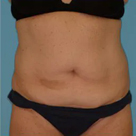
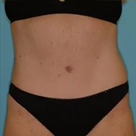
The Truth About Living With a New Face: Kerry 2.0

Summary
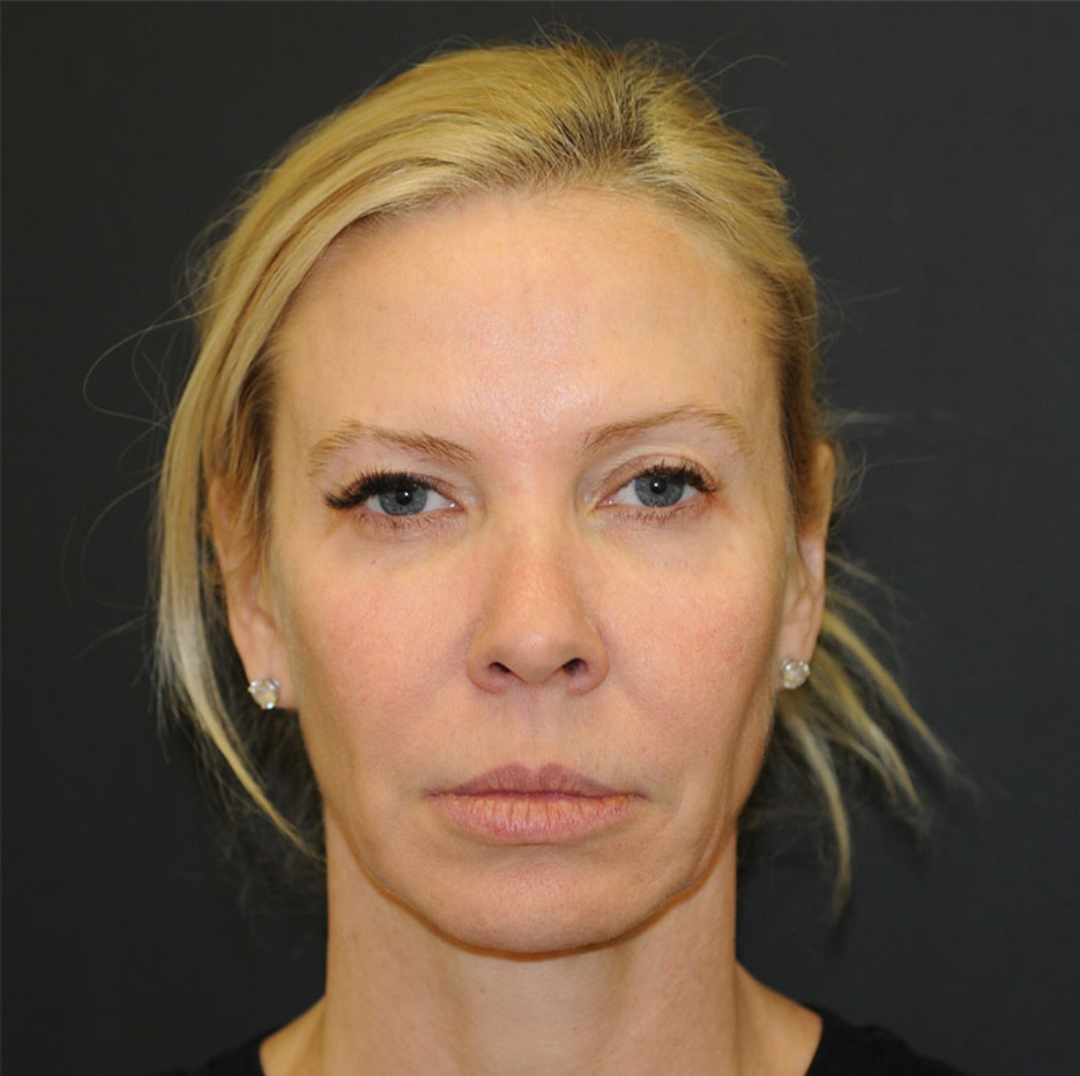
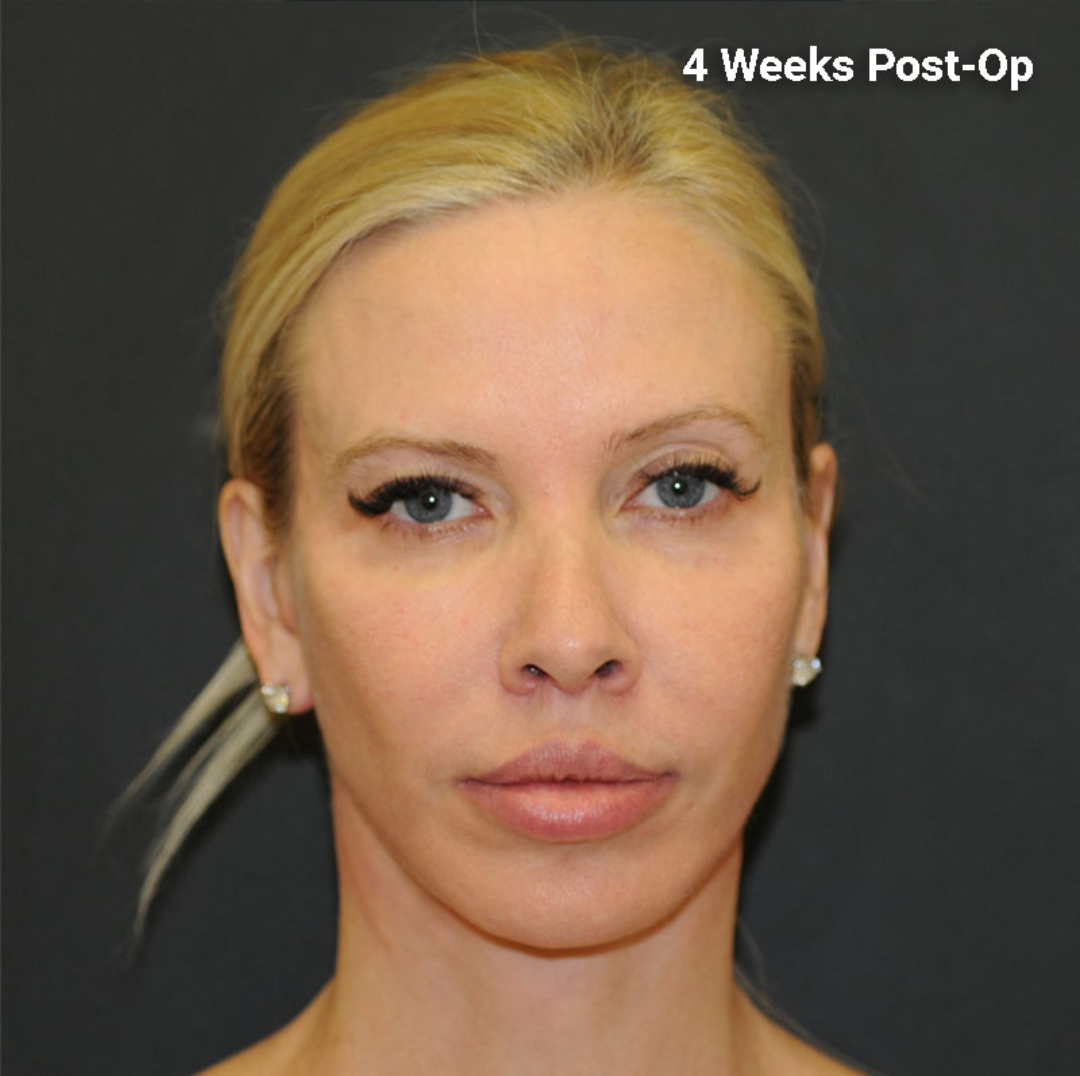
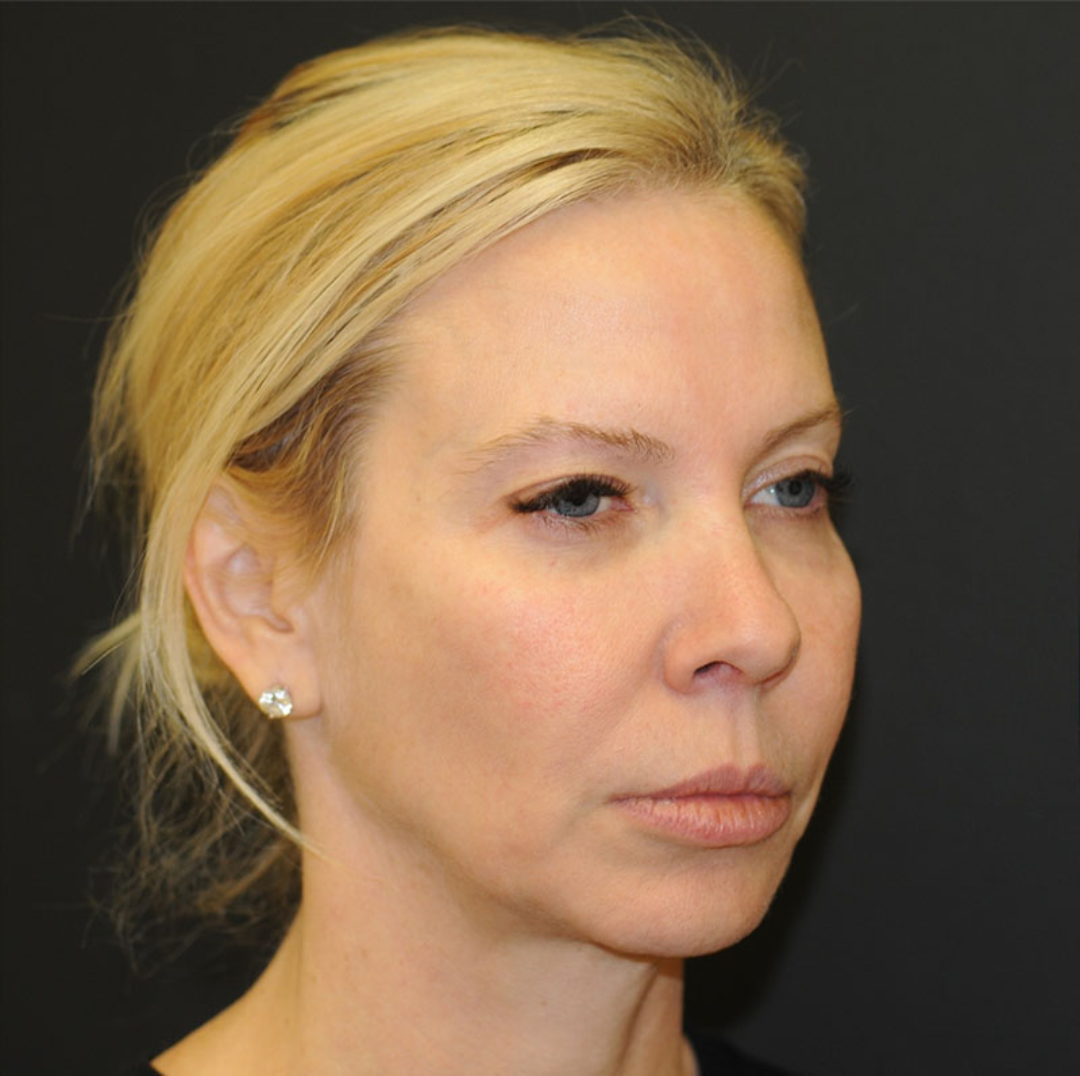
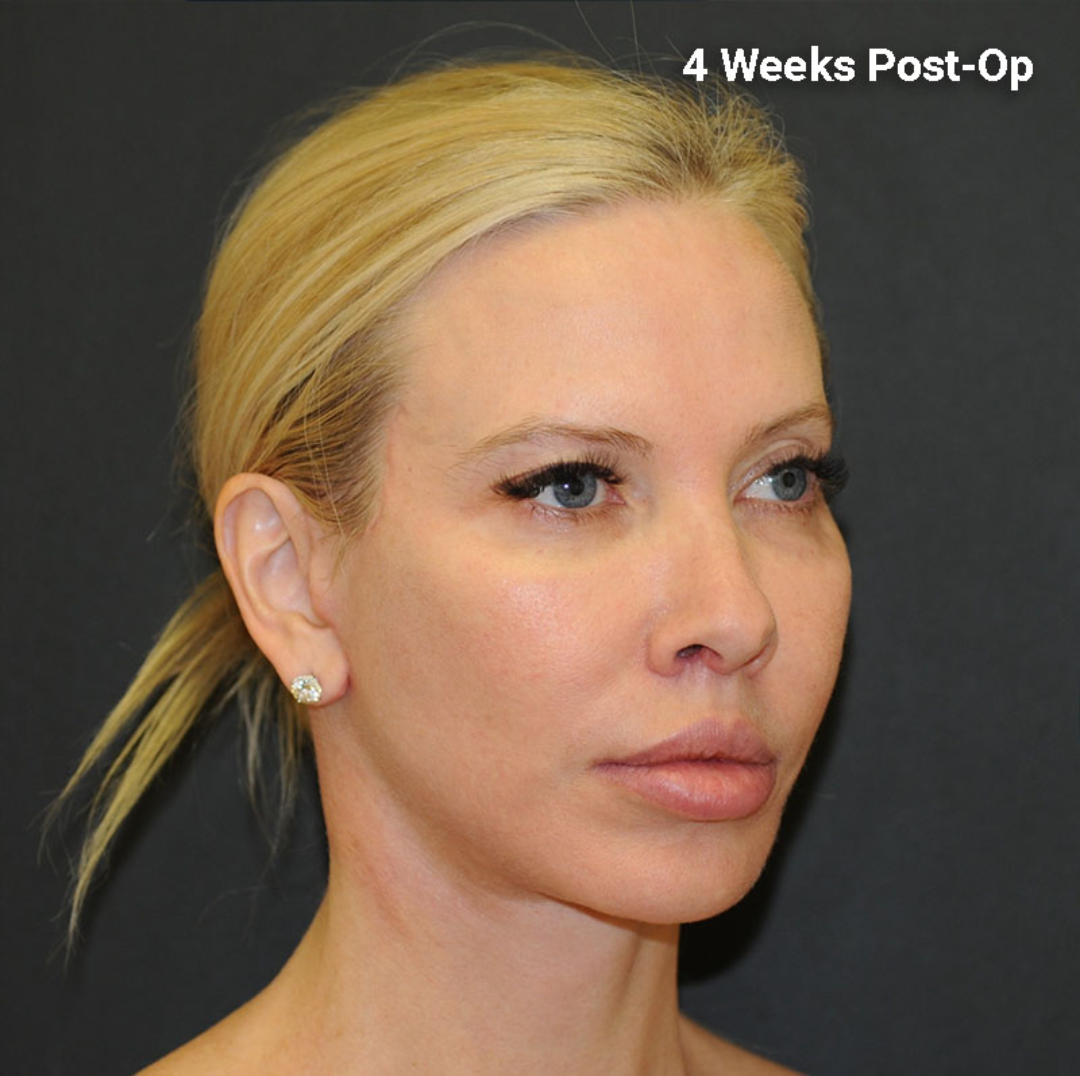
Host Kerry Berlet has now lived with her new face for more than two months, and in this follow-up episode she sits down with her husband, Dr. Anthony Berlet, to talk about what life after her facelift is really like.
Kerry describes an extra boost of confidence, looking in the mirror on a tired morning and liking what she sees, and strangers telling her she looks like a model. She talks about her lip lift, her incisions (the first thing people ask to see), the surprising sun sensitivity during healing, and the Vitamedica supplements and scar cream she used during recovery.
Dr. Berlet explains why careful incision placement and attention to detail matter, what he sees when he repairs other surgeons’ facelifts, and why soft tissue must be sculpted with the right vector for each face. He describes how the deep and superficial stitches support healing, why some patients feel neck tightness, and how numbness can last for months.
He also shares that he performs 100 to 150 facelifts a year and that his technique keeps evolving. Kerry hopes her open, honest experience helps others who are considering facial rejuvenation.
Procedures discussed
Transcript
Kerry: Hello, welcome to season 3 of Once Upon a Surgery. I’m the host Kerry Berlet, wife of world-renowned plastic surgeon Dr. Anthony Berlet. Today we’re going to talk about Kerry 2.0. So the before Kerry was a little shortsighted. She was only thinking of the recovery when she asked those questions. Now I’ve been living for over two months with the new face, and there are some items to discuss, good items. And so I’m on with my husband now, Dr. Berlet.
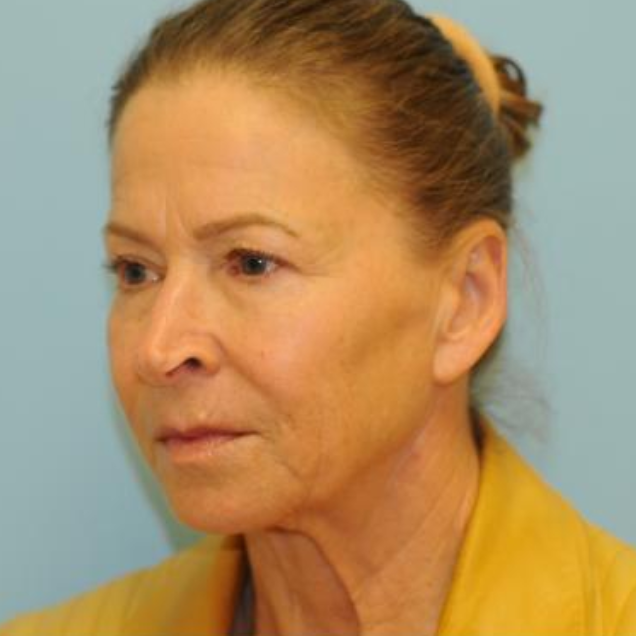
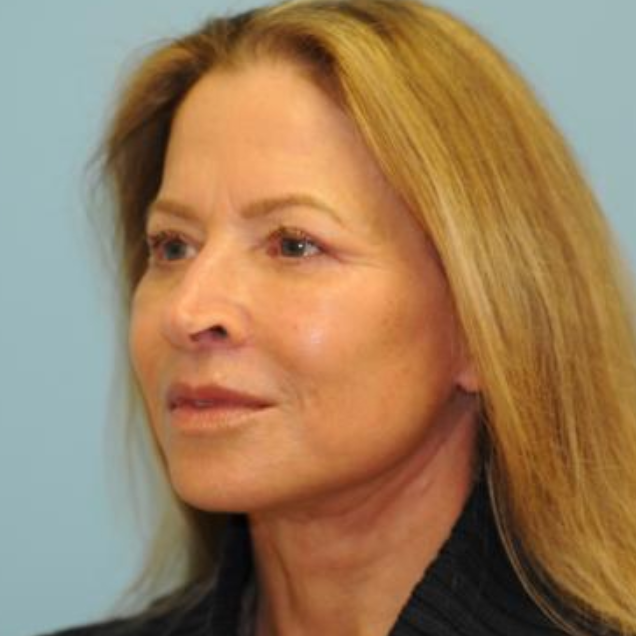
Kerry: I just want to talk about how my life has changed, and how I now have an understanding of why you get those chocolates at Christmas, all the cookies all the time, and all the wine, because it’s really amazing. It’s not that this was the first surgery I ever did, but this facelift really is transforming, obviously, and there is an adjustment period to living with a new face. Do you hear that from other patients?
Dr. Berlet: I have seen people become other people. I’ve had women come in a little worse for wear, and their husbands come in and you’re like, “That guy is crazy handsome.” And the wives, you can tell they’re just beaten up, whatever it is. And when they come back after that facelift, they have become unbelievably changed in such a good way. They’re just confident, and they match. It’s amazing.
Kerry: That’s what I’ve heard about me, that people say I have this new confidence. It wasn’t that I didn’t feel confident before, but it’s an extra boost. You really feel like you have a whole new life. And just looking in the mirror, it’s been crazy to adjust, because for a while I would still imagine myself with the old face. And then on a day you feel tired and gross, I look in the mirror and like, wow, I actually look good. And then it actually helped me feel less tired.
Dr. Berlet: I talk about that all the time. It’s that first impression in the morning. Somehow you expect to see something terrible, and you look in the mirror like, wow, it’s going to be a good day.
Kerry: And then even people’s reactions. When I’m like, oh no, I don’t want to be in the photo, everyone’s like, I don’t want to be in a photo with you, because you look so much younger.
Dr. Berlet: Welcome to my world. Well, my issue is you used to be my daughter. Now you’re my granddaughter.
Kerry: We’re only 15 years apart. You just did such good work. And I can also understand when people say plastic surgery is an addiction. I don’t think it’s as unhealthy as it sounds when they say it that way. It’s like when I’ve gotten my makeup done and then not the hair. You think of other things that don’t match this new beautiful face that could be tweaked. It’s just that you see the amazing transformation and you can envision other transformations.
Dr. Berlet: I think the reason people think it’s addictive is because, well, that wasn’t so bad, and the reward is huge. That wasn’t much of a price to pay for that huge reward.
Kerry: And even when you think of time, the surgery was only three hours, and now I’m living with this whole new face. It’s pretty incredible that you can transform someone’s life in no time. And going into it, everyone was so nervous, saying, oh, you don’t need it, you don’t need it. And the other interesting thing is that some people say, oh, you look the same. But when I smile a lot, you don’t necessarily see some of the aging that I had.
Dr. Berlet: You can hide it, yeah. Nothing like a smile.
Kerry: But what I was going to say is, for me the facelift wasn’t because I looked horribly old, but I just look so refreshed and young. I can only imagine something like a rhinoplasty really changes your physical appearance.
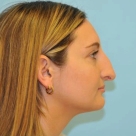
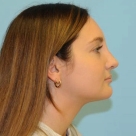
Dr. Berlet: Those three-dimensional things, a rhinoplasty or a nose job with a chin implant, you’re talking about a three-dimensional alteration, and it can be crazy transformative. And I see that also translate into personality changes as well. I’ve seen complete wallflowers become the life of the party.
Kerry: Really? So they were emotionally processing that they have this nose. It just makes them self-conscious, and then they feel pretty, and it makes a huge difference.
Dr. Berlet: It’s why rhinoplasty is one of my favorite operations. I love it. I love a facelift because you’re bringing someone back, but a rhinoplasty literally changes their life. You’re creating a whole new person.
Kerry: But it’s been so strange, because there have been so many references to me looking like a model. I’ve never felt that I was not pretty, but this is a whole new level of how I’m being received.
Dr. Berlet: Well, I think you sparkle.
Kerry: Well, thank you. And people who saw me initially, because I didn’t hide after having the surgery, saw how swollen my lips were, and now where they are, everyone is really complimentary about the lip lift with the SMAS.
Dr. Berlet: A lot of people are afraid of it. They’re terrified of the concept, because their idea of a lip lift is actually lip augmentation with filler. Everyone has seen that filler look, which is awful. In all fairness, it almost never looks good. This is attacking the lip at multiple levels of how it ages, because it gets longer, it thins out, and you lose the elasticity through here. So by filling it, that gets rid of some of the fine-line wrinkles. By lifting it, it shortens it and balances the face, if everything’s done right. And then you can also fill the bottom lip to balance the upper lip.
Kerry: People are worried about the scars, and the other interesting thing is that because I’m so open and I announce I had the facelift, the first thing people ask is, “Oh, can I see your incisions?” So I show them, and people are blown away at the work that you did with my incisions. And it’s still only two months. I was in Italy and I happened to meet another plastic surgery couple, and when I told them I had just had a facelift two months ago, she and her husband were inspecting, and he was so impressed. It made me feel good. I was with some friends, and he said, “I’m very judgmental, and I’ve never seen incisions like that.” So what is it that a bad surgeon’s incisions look like?
Dr. Berlet: You’d be amazed at what I’ve seen. Really amazed. Sometimes they’ll go up in here, and you’ll have a big area that has what they call alopecia, you’ll lose hair. Or the whole area of their forehead is moved back, so now they look like a monk, because they didn’t appreciate the hairline as it was and they changed it. So that looks freaky. Then the incision comes down in front of the ear and it’s way down here, and then it comes back up and comes across too short. And you have these hack-mark scars behind the ear. It’s actually really disturbing to see. In fact, I just saw that today with a patient. She’d had a lower face, and the scars were like, wow. You didn’t have a lower face, you had a lower mutilation. So that’s a big factor; you have to consider all that. And a lot of them have scars through here that create a big notch. I’ve seen cross-hatching all over the place. They didn’t take the sutures out soon enough, or they didn’t put them under the skin, whatever they might have had to do. So those little attentions to detail make a huge difference. It does take a lot longer to do it that way, but people inspect the scars.
Kerry: Yes, they really inspect the scars. I had no idea this was a thing.
Dr. Berlet: That’s your signature. They’re going to look at those scars: good, bad. And it’s as simple as the incisions. And I have seen facelifts that were not ideal, where they didn’t really create the angle of the jaw. They didn’t really adhere to any of that. There are a lot of things to it. I was just in Boston, and I heard some incredible people speak at the plastic surgery conference. Amazingly humble. The better they were, the more humble they were. Really impressive. And they said, “Your technique can be great, your craft can be great, but if you don’t have the proper vision and you’re pulling things in the wrong vector, it’s just not going to have the same outcome.” So you can tell me any way you did it, I don’t care. What do you look like?
Kerry: And I know there was that debate online about whether a SMAS facelift or a deep plane is better. And it really comes back to who the surgeon is, right?
Dr. Berlet: 100%. It’s really dependent on the surgeon. Soft tissue is harder to mold than bone, because bone is very specific. You put it at an angle, whatever it is, and you have to recreate it and put it back together. But in the face there’s nothing to hang on to, so you’re really sculpting in a different way. You’re dealing with multiple different types of tissue: the vector you pull, where you mobilize. It has to be right for each face, and every face is a little customized.
Kerry: I was just thinking, I had this amazing, wonderful facelift, and it’s great having people react and being open about it and getting these positive reactions. And then I was thinking what it must be like to be that other person who has the terrible facelift, and to live that life and have people react to you with the not-optimal face. Have you had patients who have had that experience and then you’ve been able to fix it?
Dr. Berlet: Yep. It’s very routine. I do so many redos. A lot of it is just, once again, no attention to detail. The scars are terrible. And I can mobilize them quite a bit and really improve it, make it a lot less obvious, recreate the jawline that they don’t have, and really remove a lot of skin, because maybe the actual design of the facelift doesn’t allow for enough removal of neck skin. Even on you, who’s young, I was able to take almost two inches per side, maybe a little over two inches per side.
Kerry: Amazing. You would never imagine that.
Dr. Berlet: And then I’ve had some older women where I’ve literally taken almost four inches per side. So you’re retrimming everything. And if you did that in the hairline, they would have mohawks. It would be so much skin.
Kerry: I just thought about that for the first time, that you just had two and a half inches of my skin in your trash can.
Dr. Berlet: I went to the kitchen. What are you talking about?
Kerry: I feel like there must be something you can do with this skin. There are stem cells. There must be something positive you could do with that.
Dr. Berlet: Give me a little time, we can make a wallet.
Kerry: So funny. So that’s your job. I just imagine someone’s experience of living life with a bad facelift and then getting it fixed. So your job is to get me a guest for one of these episodes in season 3 who’s been through that. We had Lilli. Lilli was completely.
Kerry: But Lilli though, it sounded like her facelift, it wasn’t even a facelift really. Just nothing.
Dr. Berlet: No, it was.
Kerry: Yeah, but they ruined her ears a little bit, right? The ears.
Dr. Berlet: The scars were bad. But I have far, far worse.
Kerry: One other thing I want to talk about. I did the first post-facelift podcast when I was 20 days out, and now, it’s what you say: two weeks, you’re restaurant ready with makeup, and then two months, you’re runway ready. And that’s literally how I feel, where people are telling me that I look like a model. I just spilled on myself. And I have to say, I’ve heard some people describe feelings in their neck that I don’t have. Our friend talked about it feeling like there was a boa constrictor around her neck, and I really didn’t feel that, ever. Is that something where sometimes the neck is too tight, and is it an adjustment period?
Dr. Berlet: Well, everybody’s different. Some people are more sensitive than others. What I do is remove all that tissue, but then I sew it all along the muscle in the neck called the sternocleidomastoid, and sometimes that can feel tight. You can sometimes relieve it with Botox to help break the cycle, but typically it’s not a painful recovery. You’re numb through here for a few months, up to six, maybe even up to a year you’ll have some numbness.
Kerry: As far as the numbness, I feel everything. Are there some people who, if they touch their cheek, can’t feel it?
Dr. Berlet: Well, they know they’re touching it, but it just feels like it has [inaudible]. I mean, it’s just weird. It just has a weird feeling to it.
Kerry: I kind of, it’s a nice feeling in some way, but I don’t know what it is. It feels a little tickly, like when I’m having my makeup put on.
Dr. Berlet: All right. Well, yeah. [inaudible]
Kerry: I don’t know. But another thing: you have this amazing company, Vitamedica, that you’ve been working with for years, who provided the supplements leading up to the surgery and for the recovery, arnica, bromelain with quercetin.
Dr. Berlet: I’ve been using that company for 25 years. I first saw them at a meeting years and years ago, and I thought this has got something to it. And obviously supplements and peptides, everything is hitting a peak right now. I feel the company was ahead of its time, but I was like, I’m doing this. I’m going to prepare all my patients from an early stage.
Kerry: It’s amazing you’ve been doing that so long. We were just in Boston at the plastic surgery conference, and I met the people at the Vitamedica booth, and they were so lovely, and they also gave me this scar cream. I’d already been using a silicone-based scar cream prior to that, but I took this one to Italy with me, and I don’t know if it was where I was in the healing process, but I felt it really made a difference. Didn’t you see from when I left for Italy versus when I came back?
Dr. Berlet: They’re fading like rapid fire.
Kerry: I could almost feel my skin absorbing it and the healing happening. And how I could feel that is I could feel itchy. And when I feel itchy, that’s when you know that the tissues and the nerves are healing. And it makes it hard, especially with the ones under my nose, because it’s hard to itch them.
Dr. Berlet: There’s no question itching is a sign of healing.
Kerry: And I like this one. I know the one difference is it doesn’t have SPF in it, but I think that’s okay, because I’m never convinced that the SPF in any cream is enough. If that’s what you’re looking for, you should apply it separately rather than rely on a cream to do it. And for the scars, it’s so important that they not get sun, right?
Dr. Berlet: At least for a few months, anyway.
Kerry: And that was one thing that I went through with the facelift: my skin was more sensitive to the sun than it had ever been. I went to a swim meet for my daughter, and I was sitting on metal bleachers, and I had a hat on and sunscreen, and I still managed to get burned. But I think this hat was basically like not wearing a hat.
Dr. Berlet: You get a lot of reflection off a lot of things. So maybe it was the reflection back up on you.
Kerry: I was so worried that I had ruined the beautiful face. Luckily, I healed and there was no permanent discoloration. But you really have to lather on the skin care, the sun care, I think.
Dr. Berlet: There’s still a minor layer of blood under the skin, so the sun can also cause a little staining of that. That’s a part of it. So it’s not just the scars. And because you don’t feel the skin, you don’t know subconsciously to move or turn your head when you’re getting burnt.
Kerry: I can feel my face everywhere.
Dr. Berlet: You’re an exception to the rule.
Kerry: Now, in terms of the stitches, you took out the ones back here after a week, and after the lip lift those as well, and also the lateral brow lift, so those all came out. But you said there were some under the skin that take six weeks or something. So at this point my stitches have sort of all dissolved. Is that right?
Dr. Berlet: They’re going through the process of dissolving. They lose their strength. We bring the tissue together this way with the deep stitches, and we bring it together this way with the superficial stitches. So you take the superficial stitches out very soon. The ones behind your neck, we weave them under the skin like a snake, so you wouldn’t have any kind of cross-hatching back there. That area needs a little more support, so we get to leave them in a lot longer without worrying about cross-hatching.
Kerry: So there were other ones under the skin that are still there?
Dr. Berlet: They’re still there, supporting it. It’s different for all stitches, but for those, probably six to eight weeks. And then you have ones that are deep in your face that also absorb, and those are more like six months to go away. They actually go from the corner of your eye to under your ear, and then right along your neck. So those are the deep stitches inside, holding the muscle.
Kerry: And will it look any different after they dissolve?
Dr. Berlet: It just constantly remodels until it’s very smooth.
Kerry: All right. So we’ve talked about how facelift techniques have evolved, and I feel that mine was particularly good and that I recovered very quickly. Is this what other surgeons are seeing, or is this something unique to your technique?
Dr. Berlet: I don’t think it’s fair to say whether I’m better or not better than these other guys. Everybody has a different approach, and they’re happy with what they have. They have their aesthetic, whatever it might be. I think you did heal very fast. You were aggressive, super aggressive in self-care. I’d say, “Oh, you have a little something there, massage it,” and you took it to another level. I don’t have control over other people. I don’t get to see what they’re doing. But when I tell you to do something, it’s done. If anything, I have to slow you down. You take it to a new level, and you’re discovering things. You actually help me a little bit, because I’m like, “Oh boy, if I can get everybody to do that, I can get them to heal that much faster.” I also always say my last facelift is my best facelift, because of everything I’ve known up to that point and then a little tweak, maybe.
Kerry: Oh no, there have been better facelifts since me.
Dr. Berlet: They are good, though. The technique does evolve, and we have a better and better aesthetic. I do a ton of facelifts. I’m doing 100 to 150 a year, and I’ve been doing that for at least 10 years. That’s a lot of facelifts under my belt. And they’re better than they were 5 years ago, by a lot, and better than they were two years ago.
Kerry: And I won’t need another one for 10 years, right?
Dr. Berlet: I think longer. You had it at a young age, so you’re going to get better longevity. You’ll probably get 12, 15 years out of it.
Kerry: We’ll see. You know where to find me. And I saw what you sent me today. I came up with the idea of making my own face ice bath with green tea, and then you sent me that there’s this face tub that they actually sell, and you can breathe with the ice around your face. Who knew? Maybe he saw me doing that and created this thing. He needs to add the green tea.
Kerry: Well, I just want to say cheers to you. So thank you for doing this tremendous job on my face. How I’m being received has blown my mind. It’s a fun thing. And I hope that I’m inspiring others.
Dr. Berlet: I loved the old you, but I really love the new you. Inside and out.
Kerry: Thank you. I hope that I’m inspiring others who might be considering it and have various concerns. Sometimes the concern is that you’re going to look different. Yes, and you’re going to look better. You’re worried about the recovery? Look at my recovery. Use that as your case study. And anesthesia? Well, I was awake for my whole procedure. Everything’s evolved, and I just appreciate that I have the benefit. And now I do understand the people that give you all these gifts out of their gratitude. Now I really get it.
I give you lots of presents. You give me lots of love.
Kerry: And so I hope that you all enjoyed this episode of Kerry 2.0, the follow-up for Once Upon a Surgery. Please feel free to like, comment, ask questions, and don’t forget to subscribe, and we will see you next time on Once Upon a Surgery.
Ready to start your own story?
Meet with Dr. Anthony Berlet to talk through your goals and options.
Request a Consultation (332) 232-5630