Exclusive Interview with New York Plastic Surgeon Dr. Anthony Berlet

Summary
In this episode, host Kerry Berlet turns the questions on her husband, Dr. Anthony Berlet, a plastic surgeon in practice for more than 30 years. He talks about growing up in a family of doctors, his artistic side and architecture studies at Penn, and why everything he does comes back to design and elegance.
Dr. Berlet tells the story of an early replant case: a priest whose finger was torn off in a fall, found preserved in the snow by a parishioner, and successfully reattached. He also walks through a typical week of facelifts, eyelid surgery and rhinoplasty, most of it performed in his office under local anesthesia, and explains why that matters for procedures like ptosis repair.
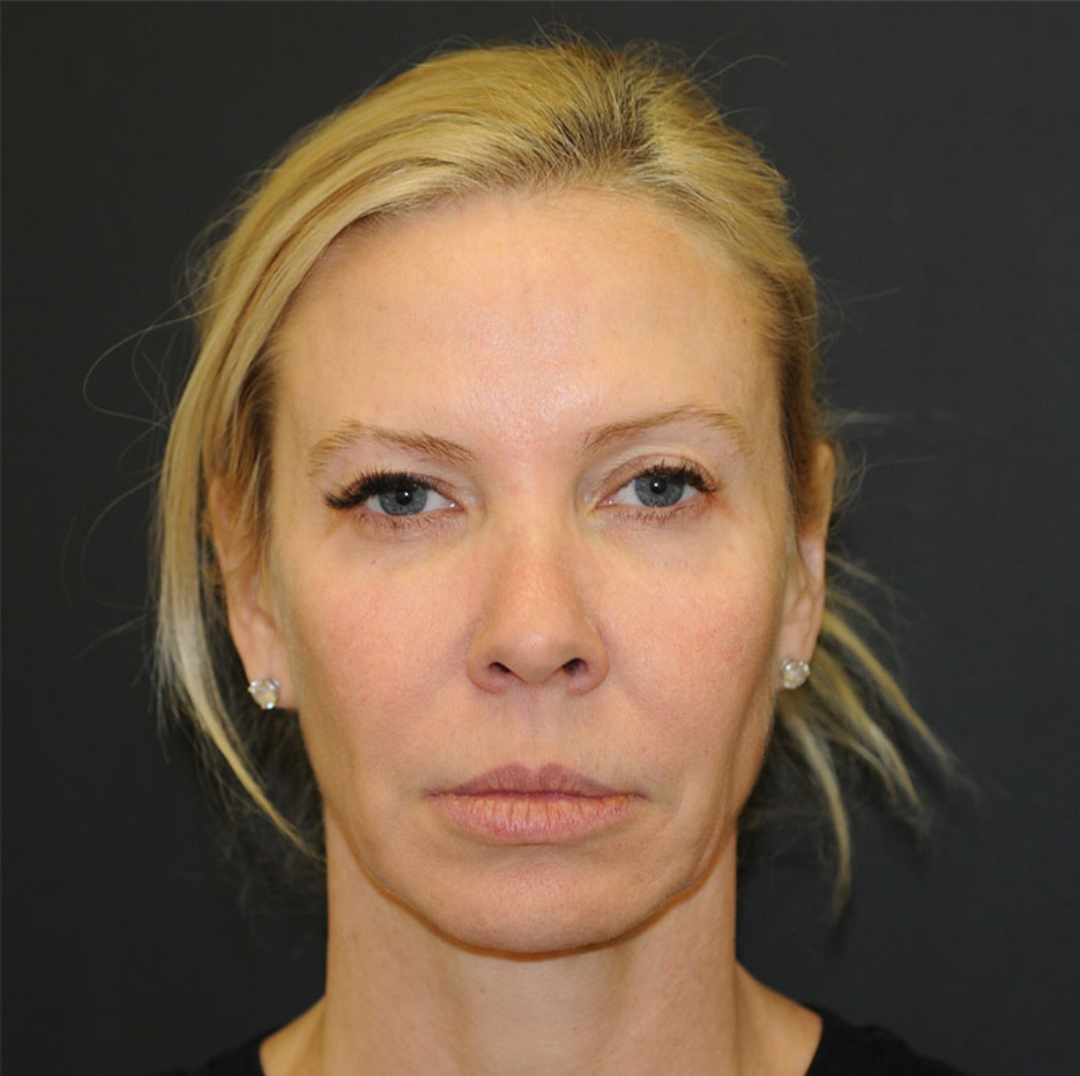
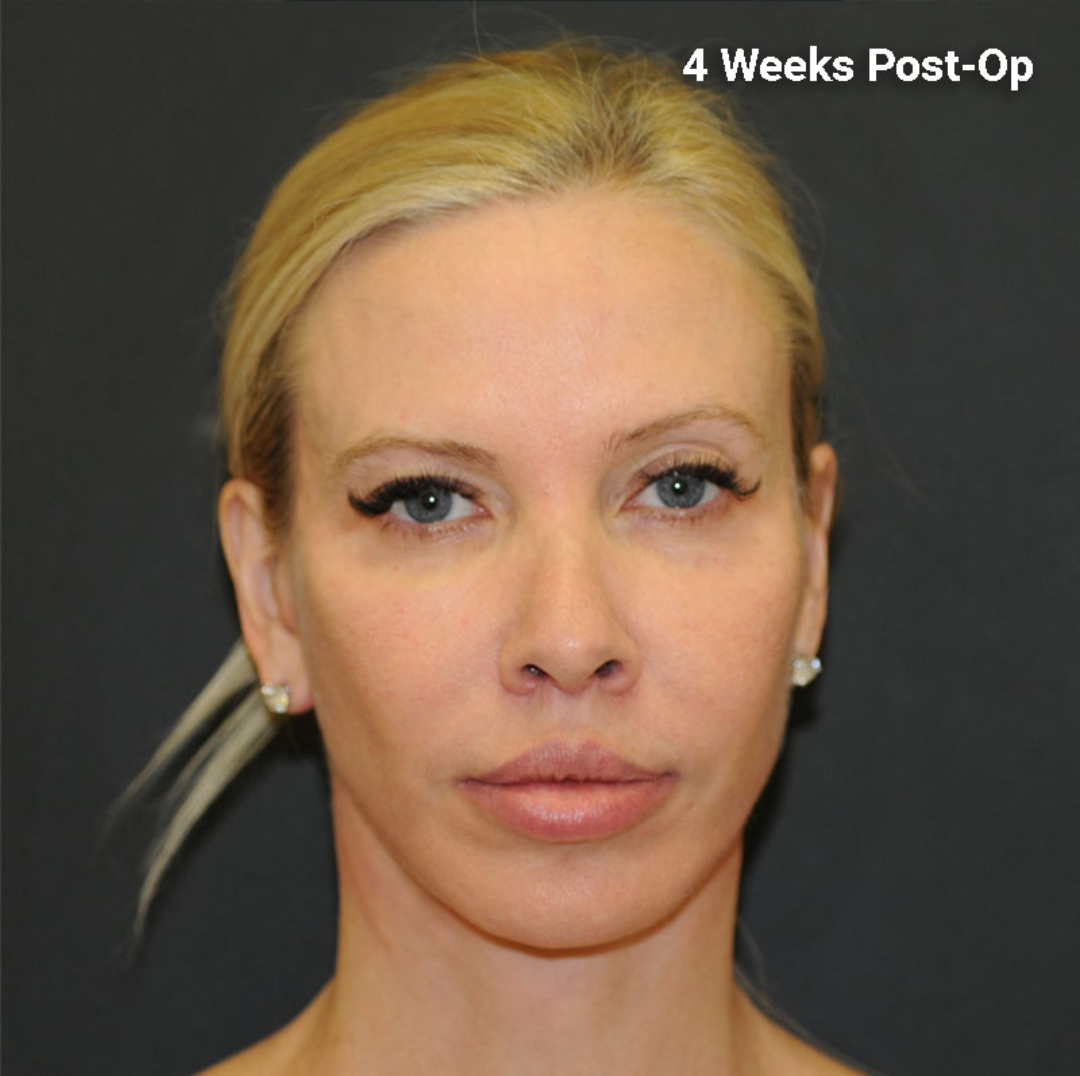
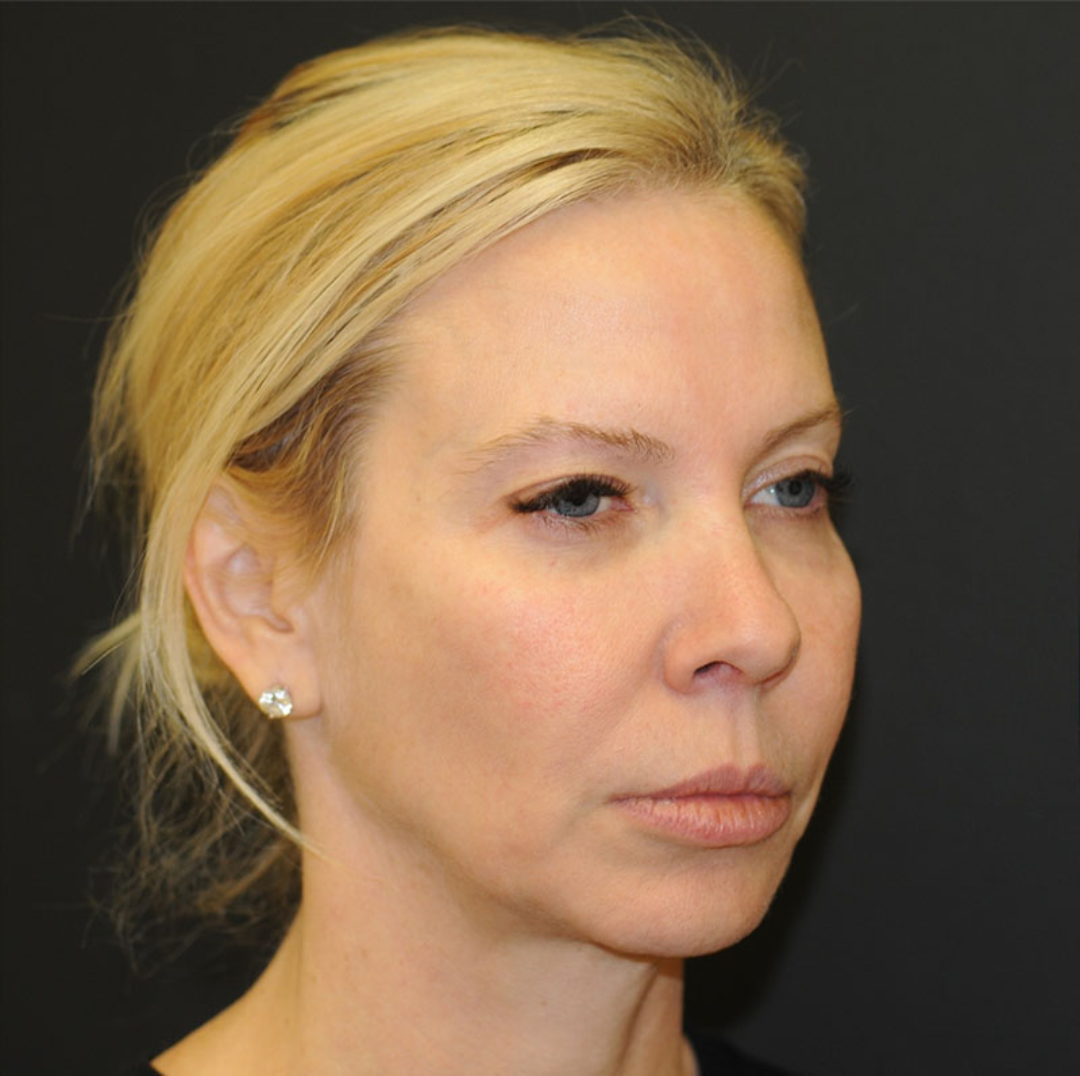
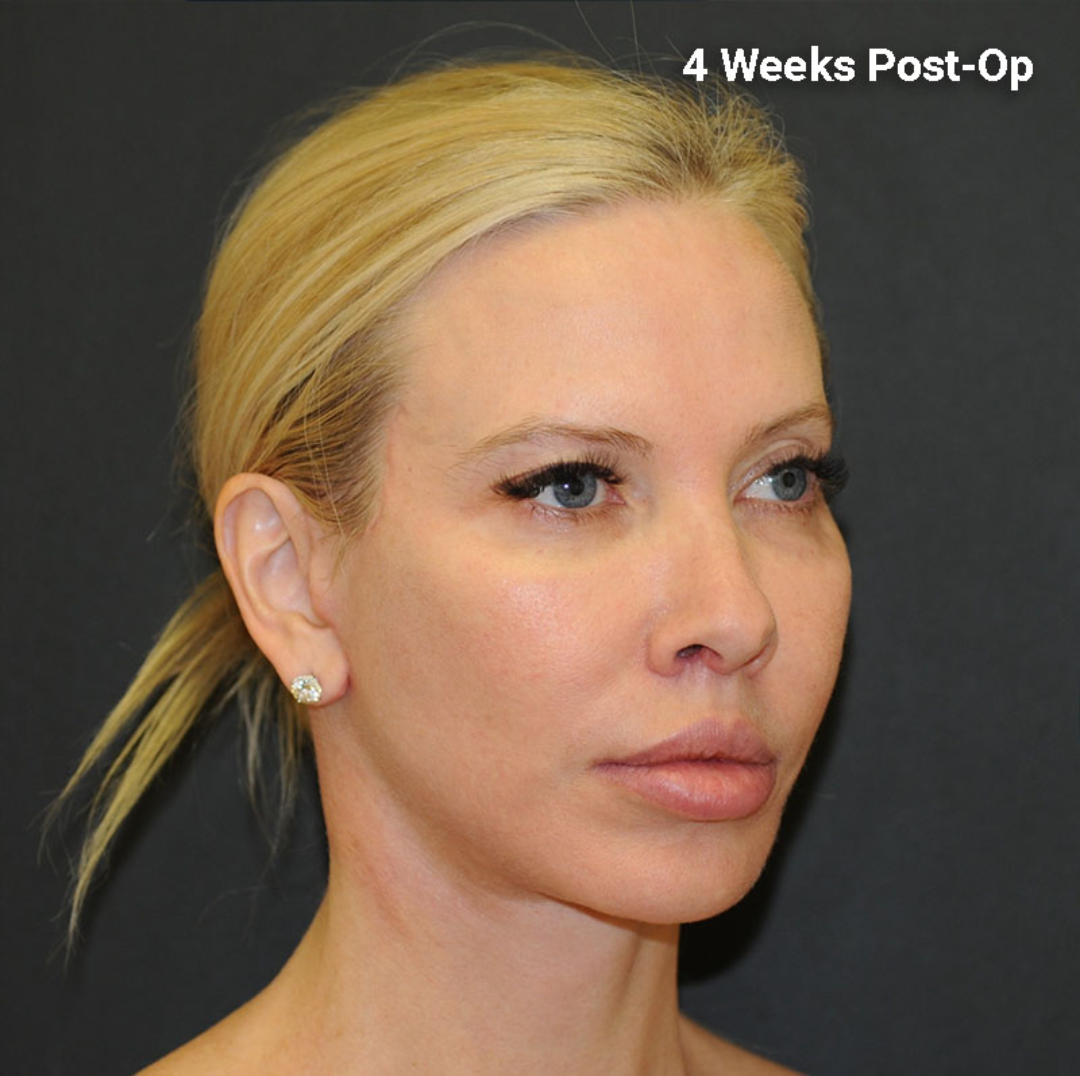
Along the way he covers tools such as the piezoelectric saw for nose surgery, barbed sutures and the plasma blade, how facelifts and the deep plane facelift have evolved, his pre-surgery supplement program, fat grafting versus fillers, lip lifts, wedding-season patients, and memorable cases including an 89-year-old facelift patient and a construction worker’s tummy tuck.
Transcript
Kerry: Hello, welcome to Once Upon a Surgery. I’m the host Kerry Berlet, wife of world-renowned plastic surgeon Dr. Anthony Berlet. We’re here to dive deep, and today we have the man himself on the show, my husband, who’s been in practice for over 30 years, Dr. Anthony Berlet. We listen to your feedback, and you want more of him. So today I’m going to grill him. So, cheers to Dr. Berlet. Thank you for coming to Once Upon a Surgery. And we’re going to get into it all.
Kerry: Let’s talk about when you first became interested. So you come from a family of doctors, right? And you have a twin who is also a doctor. So what kind of led you? He’s in a very different, you know, industry or field than you, I guess, within, you know, medicine. What kind of steered you both in your individual directions?
Dr. Berlet: Well, we have a long lineage of doctors in the family. My mother’s father, my mother herself went to med school, my mother’s sister went to med school, her kids are doctors, her sister also, her husband’s a doctor, then of course my father’s a doctor, my twin brother’s a doctor. So there’s quite a few.
Kerry: So you came out of, you know, the womb in a lab coat.
Dr. Berlet: Scrubs, I think.
Kerry: Or scrubs. Yeah.
Dr. Berlet: You don’t wear lab coats.
Kerry: That’s right.
Dr. Berlet: We like our pajamas. Anyway, everybody has sort of a different field, and I’m the only plastic surgeon, but, you know, there were certain… in your family there were really none. I was always convinced that my brother would be a surgeon, because he was always dissecting things and always in that whole world. But I was always very artistic. I used to draw and paint.
Kerry: Did anyone else in your family draw, or were they artists?
Dr. Berlet: My grandmother was a phenomenal artist. My cousins are all phenomenal artists. So there was a good eye in the family.
Kerry: Okay.
Dr. Berlet: And fortunately I inherited that. That was my gift. You know, my spatial ability to, you know, translate things into two dimensions from three dimensions. But also just the way I see everything. It’s very easy to define planes and dissect, because it just was natural. Mhm. This is meant to be this way, and intuitively it all made sense to me.
Kerry: I mean, I know you redid your parents’ basement.
Dr. Berlet: I rebuilt our whole house. You name it, I did everything.
Kerry: So she really put you to work.
Dr. Berlet: Everything from laying bricks to putting up roofs and building bathrooms, and you name it, I did it.
Kerry: But, and then did the idea come from your mother? Because I remember her saying that she used to stand you in front of the mirror and say, “Look in the mirror and say, ‘I’m going to be a plastic surgeon.'”
Dr. Berlet: I’m not sure how she remembers that. I’m not sure how much of that is revisionist history, and maybe she wanted credit for it. She did say you would be an amazing plastic surgeon.
Kerry: Okay.
Dr. Berlet: All the time.
Kerry: And then how does it work? So, I know you went to Penn, and so was your intention always to be a doctor, and you were just going to go there and get an undergraduate degree like that?
Dr. Berlet: That was my initial intention. I went to undergrad. I was premed.
Kerry: Okay.
Dr. Berlet: And it was a little disconcerting, because you’re in a class full of 600 people in your biology class, 600 people in your chemistry class, and you were kind of one of 600.
Kerry: Yeah, they were big. That was like a big proportion of the class, you know, because how many… I mean, Penn’s a great place, but you know…
Dr. Berlet: The thing is, freshman year there’s about 2,000 people in the School of Arts and Sciences, and out of that, about 1,400 declare themselves premed, and the other 600 declare themselves pre-law.
Kerry: I see. Okay.
Dr. Berlet: And then they get weeded out over time. So their job is to weed you out, and by the time you apply to med school, about 400 apply, and about 400 get in. And so that makes them… oh, we get a lot in, but they do the weeding process themselves, right?
Kerry: Okay. And so then you were in that, but then so the architecture major, so you were doing that in addition to just doing the requirements as a premed person.
Dr. Berlet: Mhm.
Kerry: Okay. Interesting. And so then, did you sort of at that point think that you might, I mean, plastic surgery would make sense given your two passions, or…
Dr. Berlet: Well, you know, I kind of tripped into the architecture school. You know, I said, “Oh, I’m going to take a drawing class and sort of develop a talent I already had,” and then I went from there, and then before you know it, I just really loved the people in the architecture school. They had purple hair, very relaxed, as opposed to the type A personalities that were in premed.
Kerry: So that was kind of your fun.
Dr. Berlet: Ah, we had so much fun. Yeah, they’re just great people, sweet, kind, and we all were growing together. We’d be up at night together. It was one of those things, you know, creating projects, right?
Kerry: And we still see, you know, obviously, with your taste in homes and your passion for redoing everything in the house, that that sticks with you, just as you enjoy redoing, you know, body parts.
Dr. Berlet: It is definitely an extension of all that. So you have the whole… everything I do is about design. Just the whole planning and creating something, and so much. Yeah, I did have architecture, so I’ve used that for all the personal experiences. And then, of course, part of that is interior design. So I enjoy that, collecting art. That was also my mother. She was a big collector.
Kerry: And I think that is something that sets you apart from a lot of other plastic surgeons, is you just have this taste, amazing taste. And so, I mean, and I think that is also in your… you see that in your patients, and that you don’t want someone overdone. And it actually makes you mad when you see, I saw it recently, when someone goes and gets overdone by someone else, who’s been a previous patient of yours.
Dr. Berlet: Yeah.
Kerry: But I think it’s like, again, because to you it’s about, like, you know, having this sense of sort of an elegant… like you’re creating an elegant, you know, piece of art.
Dr. Berlet: I think that’s spot on. Everything in my life is about elegance. I just never want everybody to look like a freak. Never want… I always want them to be themselves, but be elegant, you know? It’s just the way we should all carry ourselves.
Kerry: Yeah. Excellent. And so now talk about, like, the evolution of your practice. Or, I mean, some of your cases you did kind of when you were still a resident, right? That was some of the craziest.
Dr. Berlet: Actually, actually, when I was a first-year attending, I got called in for the most amazing things. Just crazy. When you’re younger, you’re a little more courageous, because you don’t know what you don’t know. And so, you’re like, “Okay, just don’t worry about this at all. I’ll just cut your head off, fix it on the side table, and sew it back on. You’ll be great.” So, it was really that kind of, like, incredible arrogance, actually. But at this point, yeah, you realize what you can do, and you just refine everything to such perfection.
Dr. Berlet: I was talking to someone recently who’s an older plastic surgeon, and we’re talking about retirement. What are you thinking about retirement? It’s like you can’t let it go, because you just keep getting better at this, and the little things just make it so much better, and you just like… I can’t give it up. I can’t give it up, because I just don’t want to give away the talent that you have at this point. Right. And as long as my hands are steady and I can do it, I’m going to keep doing it.
Kerry: Well, I see how much you love it, right? And it’s almost like, I mean, it’s a part of your identity, obviously, but it’s also, like, a part of, you know, what makes you such a happy person, is, like, your purpose and the joy you get.
Dr. Berlet: It really is a purpose. It’s great.
Kerry: I mean, everyone’s like, “He can’t retire. He can’t retire. Don’t let your husband retire.” Everyone’s very afraid.
Dr. Berlet: So, yeah. They don’t have to worry, right?
Kerry: Okay, good.
Dr. Berlet: I may ease off at some point, but no, I’m working. I’m working till I go.
Kerry: And when did you start singing during surgery? Because that’s your… I don’t know where that came from.
Dr. Berlet: I don’t know.
Kerry: But because your mother thought you were a terrible singer.
Dr. Berlet: Horrendous. I had to hear about that every day. But, you know, as my voice got deeper, I have a good bass, so you can get away with it, you know. So I would say now I titrate their volume, you know, until I sound good, right?
Kerry: All right. Just, I think you need more volume. They don’t think I sound good yet.
Dr. Berlet: Wow. No, no. I get a lot of compliments for my singing. Who knew?
Kerry: Does anyone… well, I guess it depends what surgery.
Dr. Berlet: If my mom could see me now, right?
Kerry: So, it depends what surgery it is. Do the patients ever sing along with you?
Dr. Berlet: Oh, yeah. Absolutely. It’s a songfest.
Kerry: Okay.
Dr. Berlet: And we listen to the same music. It was in the ’70s, ’80s, you know, and they were all in sort of the same generation, so they know all the songs. They’re like, “Wow, people don’t listen to this stuff anymore, but I do.” Yeah.
Kerry: Now, so people are always, you know, when they meet you in public, and I mean, they always want kind of a free consult. But are… I mean, and now I’ve started to do it a little bit too, when you see someone who just really needs that facelift. But I mean, is it just something that you’re naturally always sort of, like, evaluating? Or, you know, I remember at a reunion, that one woman who was so judgmental, who is, like, Miss Crunchy Granola, and then she’s like, “Oh, so you’re a plastic surgeon?” And then by the end: okay, what’s wrong with me? What do I need to do?
Dr. Berlet: That’s what’s surprising, is that there are all types of people that do plastic surgery, just not everyone talks about it.
Kerry: Yeah.
Dr. Berlet: You’d really be surprised.
Kerry: Yes. Yes. But are you, like, does it, like, oh, that woman really needs her eyes done, really needs this done, really doesn’t need that done?
Dr. Berlet: Well, obviously, you know, if they have, like, crazy bags or major hooding or a big… then it stands out.
Kerry: Okay.
Dr. Berlet: Big schnoz, you’ve got like… oh, I can help that. I can really make that better.
Kerry: Uh-huh. So you go there, but you don’t really go there, right? Okay. And then some people have said to me, “Oh, it must be intimidating being married to a plastic surgeon,” which I don’t think it is. Like, it’s actually, when you think about it, I mean, I imagine other men might start to notice when something, you know, starts to go downhill with their wives. And I’m totally open, right? It’s like, okay, you’re like, “You need Botox,” or whatever it is, right? And so for me, I mean, I imagine, because I’m always like, “What should I do next? What should I do next?” But I think, I mean, I think I have a huge advantage.
Dr. Berlet: I don’t know. It’s a fine line, right? I go, “Oh, honey, you look great.”
Kerry: But I mean, it’s not everything. I may get those eyes done. Well, I mean, and sometimes I look at this podcast and there are some angles where I’m like, “Oh, my chin.” It kind of looks like a double chin. And you’re like… and it still isn’t time for me to get a facelift, right?
Dr. Berlet: No, you’re good.
Kerry: Okay.
Dr. Berlet: You’re good.
Kerry: And you’ll tell me. I’m like, what is, like, so when… I think you’re going to tell me, actually, right? That, no, like, what is the… when will be the time? Like, what needs to happen, when it’s like, okay, now it’s done? Like, I know you said it’s different ages for different people, right? So I’m 50.
Dr. Berlet: You’re a good 50.
Kerry: How many years do you think…
Dr. Berlet: You really don’t have any jowls at all, so that’s a beautiful thing. And, you know, you’ve had some help along the way, so, little things, and the nice little maintenance. You got your lids done here, a little fat grafting, and it just softens everything, and you got the stem cells rejuvenating the skin. You have beautiful skin to begin with, and it’s all great. And then, yeah, obviously I get to see you in other lights.
Kerry: Yes. This is the part where it gets… stop. All right. But we can talk about, we did, I did meet you at a free consult, and you basically did not recommend that I get a tummy tuck, right? Because I was shopping around. I had this skin after having had kids that I didn’t like, and my friend had said, if you’re going to see anyone, you should go see Dr. Berlet. And you were like, no, you know, for me, I wasn’t really a candidate, because of where the skin was, right?
Dr. Berlet: I mean, you have a little extra skin above the belly button, but it’s so modest in your beautiful shape, it wasn’t worth chasing it. And you have a long torso. I know you don’t think so, because you do have long legs, but the torso itself is long, and trying to get the skin from above the belly button down to the privates, it would be too easily exposed in a bikini. You have to be bikini worthy.
Kerry: So, right. Right. All right. So, there are a couple stories through the years which kind of inspired this podcast, is that the stories that I hear from, you know, people while we’re out, about, you know, the work you did on them. And there are a couple, and I don’t like to spoil stories for potential guests I might be able to get on the show, but this one I don’t think we’ll be able to get. So can you tell the story about that priest and the finger?
Dr. Berlet: So that was very early in my practice. I was, I think, in my first year of practice, actually, and I was seeing patients in my office, and I got a call. I was on call at the University Hospital in Newark, and we did replants. You know, we sew fingers and hands back on. We did all kinds of crazy stuff. And I got called that this gentleman had basically what they call avulsed the finger. It had ripped the finger basically off, and it had ripped the skin off from the base of the ring, and then came off and broke the bone in the middle, and then was off. And so I said, I’ll be there. I’ll be there in a couple hours. I just want to finish seeing my patients. Just schedule him for a completion amputation, because that’s sort of the thing you do.
Dr. Berlet: And so I got there, and I was looking at it, thinking, is there any way I can save some length on this finger? And he had a parishioner with him, and she said, “I’ll go back and look for the finger.” And I said, let’s do it, and let’s go find out.
Kerry: How weird. Like, so, I mean, he just lost the finger, and they were like…
Dr. Berlet: Well, what had happened is, I got there, I found he’s a priest. He’s sitting in the thing, and he’s got a parishioner with him. I didn’t know any of this, by the way.
Kerry: Right.
Dr. Berlet: And he had slipped on the… it was the first snow of the season, right? It was February, and he had slipped on the steps, and he went to, you know, catch himself, and he got his finger caught in a wrought iron fence, and literally got it caught in there and ripped it off.
Kerry: Ew. Sounds awful.
Dr. Berlet: You know. Anyway, she went back to the church, and she was looking around, and there it was, sitting on top of the snow, perfectly preserved, by the way, for like four hours. That’s the first thing you want to do with a finger, is put it on ice. And she goes, it was like God tapped me on the shoulder, and there, I looked up, and it was like a cherry on a sundae.
Dr. Berlet: Anyway, she brought it back. And so when you avulse a finger like that, it’s not cut. It’s snapped. It’s like ripped off.
Kerry: Okay.
Dr. Berlet: So the blood vessels that go to the finger, they’re not cut, so they can get injured on the inside. It’s something called an intimal injury, and the intima, which is the inside layer of the blood vessel, snaps back. Okay? And so, you can’t repair that. You can’t sew that back on. It’s called the red line sign. And that’s it. It’s an indication you can’t do it. Okay? So, she brought it back, and it was literally on the snow for four hours. So, it was perfectly preserved. I said, “Let me go up to the operating room and look under the microscope and see if he has that red line sign.” And remarkably, he didn’t. So I said, you know, there’s a chance we could sew this back on. I think it’s a really good chance that this could survive.
Dr. Berlet: And he was planning on going to Fort Myers for his retreat, or whatever it was. He goes, “Am I going to miss my trip?”
Kerry: So he’d be willing to not question a finger.
Dr. Berlet: Exactly. It was crazy. Right. I said, “Well, I think we should try.” And so he was all go. So we went up, and I have to tell you, it was one of the most perfect replants I ever did. And so, I mean, he had full function. It was his benediction finger, of all fingers. So that’s one of these things, right? And I sewed it on. You couldn’t even tell. But, you know, it really was newsworthy, between all the coincidences, or miracles, right? We made the USA Today, front page of USA Today. It’s a miracle. So, pretty crazy.
Kerry: That’s amazing. But wait, so, because, I mean, with the bone, can the bone reattach to itself?
Dr. Berlet: Well, you have to either wire the bone or plate the bone.
Kerry: Okay.
Dr. Berlet: And you set that first. That stabilizes it. Then you… right. Then you sew the vessels, then you sew the nerves, then you sew the veins.
Kerry: But, and so is it only, like, fingers? Like, what if, like, an arm… could an arm rip off as perfectly as that and be reattached?
Dr. Berlet: No. Although, you know, arms cut off. I mean, if you hear about those horrible farm accidents where they’re, like, literally ripped off. Yes. They’re gone. They’re never going back on.
Kerry: Okay.
Dr. Berlet: But if you get it cut off, I don’t know, awkward things like machetes in the middle of the night. We’ve had that. You’re sewing hands back on from machete injuries, and the hand can be sewn back on and working. You sew it back on. Yeah. The big issue there is the nerves coming back, and you sew the tendons back together, the nerves, the bones, and then of course the arteries, the blood supply, and so, and then most of it is therapy. So you have to balance it out. It was very, very popular in the ’80s, when microsurgery was first coming out, and then it kind of died out, because a lot of these people were out of work so long. So they actually recovered from amputations quicker.
Kerry: Okay.
Dr. Berlet: So it was, you know, an in-and-out thing. This was a unique case where, you know, you normally wouldn’t sew one finger back on, but in this particular case, it had a purpose.
Kerry: Very interesting. So now, I mean, you’re very prolific every day. And so, like, every week you do, like, what, 10 eyelid surgeries, three facelifts, a nose. I mean, how do you… and people say, like, when you prepare for your workday, like, do you even, like… you know, I think about what my day is like. And you’re just, I mean, look at you, purple on your finger today. Like, what surgery did you do today?
Dr. Berlet: I did eyelid surgery today. We do it every day.
Kerry: But anyway, so, like, the night before, as you’re going to sleep, and you wake up in the morning, are you thinking about… like, sometimes you don’t even know, right, what you’re doing that day?
Dr. Berlet: Yeah, I find out when I get in the office.
Kerry: Like, it doesn’t affect you. Like, you’re prepared, you don’t have to do any special preparation, because it’s just, like, a natural… I mean, it’s just a regular thing you do, right?
Dr. Berlet: It’s like, for me, it’s very routine. I get in the office, I see the patients, I talk to them. I usually see a few patients at a time, follow-ups, maybe a consult, and then I start the surgery. And, you know, we do anywhere from two to three facelifts a week. We do eyelid surgery almost every day, sometimes twice a day. We do maybe a nose job once a week, and then the body stuff still exists. So I do the breasts and the tummies and the thighs and the arms, and I do most of that in the office. I do local anesthesia, which is pretty amazing.
Kerry: Mhm. Mhm. And so the local anesthesia is a benefit because, well, there’s a risk associated with anesthesia. And is it also about, like, I don’t know, is it faster, or, I mean…
Dr. Berlet: Well, for me, I prefer to do it under local anesthesia, because, let’s say, for instance, someone has something called ptosis, where the eyelids don’t open up all the way, and you need to balance them, and you’re not doing that when they’re asleep.
Kerry: Oh, so you can do that. So you can actually do it better.
Dr. Berlet: And if I’m doing a facelift, they actually can help me, you know, move and shift their head around, and help me, actually be my assistant.
Kerry: Wow.
Dr. Berlet: As much as anybody can help me. And so that works out great. I always say it’s a day at the salon, but it just seems like that, right? Somehow, you know, we get through it, and, you know, a facelift can be a little rough the first night, but the next day, you know, you take all the dressings off, they look pretty great, and they can function to some degree.
Kerry: And so, do a lot of patients cry, scream? I know I scream during liposuction, but, like, you know, can most of them take the pain? Like, I mean, I’m sure you have a wide array.
Dr. Berlet: Well, it’s a very wide, you know, range of people. And some people, you know, literally, you probably could cut their arm off and they’d be fine with it. They’re like, “All right, whatever. Just keep doing it.” And then other people, you just wave a needle and they’re like… that’s a person you might want to take to the hospital and put them under.
Kerry: Right. Right. Right. Yeah. Yeah. But, and so, what proportion, like, are some people just not okay with the local, and, like, you know, do it in a hospital?
Dr. Berlet: Yeah, it’s always decided ahead of time.
Kerry: Okay.
Dr. Berlet: Yeah, it really is. But I’d say 98%…
Kerry: Wow.
Dr. Berlet: …are open to that.
Kerry: Does that save expense, too?
Dr. Berlet: In fact, they come in because of that reason, because they’re like, “I’m really afraid of anesthesia. I don’t want to go through that whole process.” And it does make it seem like a lot. Although we do the full, right, the full banana, you know.
Kerry: Uh-huh. And so as far as, like, what are the latest, you know, new tools that you would say that you’re excited about? I know you said something about a saw.
Dr. Berlet: Well, there’s something called a piezoelectric ultrasonic saw. That’s for nose jobs. And with that, the beauty of that is you can, like, put it right against your hand. You can’t cut yourself. It doesn’t cut soft tissue. It only cuts bone.
Kerry: Oh, wow. Wow.
Dr. Berlet: It’s such a fast vibration, but literally it will cut the bone without cutting any flesh.
Kerry: Mhm.
Dr. Berlet: The advantage of that is, obviously, much less traumatic for your recovery, right? And you think about the other alternative, which is you’re in there with a chisel, and you think, “Well, I might be giving this person a, you know…”
Kerry: Right. Concussion.
Dr. Berlet: Never mind, you know. And then, of course, they bruise up, and black eyes, and the whole works, but never as bad as you would think. But ultimately, it is just one more tool that way. So, that’s a nice tool that’s out. They have the barbed sutures today, which, literally, they’re barbed, so you don’t have… they’re unidirectional, so you can’t pull them back out, so you don’t need knots. So, that’s a beautiful thing.
Kerry: So, wait, what does that mean? You used to…
Dr. Berlet: You used to have to tie knots, and then, you know, many knots, you know, individual sutures to support it, and then you put the stitch under the skin, that’s one long one. This one, you just put the one layer in, and it’s got no knots, so there’s a lot less inflammation, which means less scarring, right? You know, then we have something in the hospital called the plasma blade, and so the depth of injury for that, let’s say, is much less. So, once again, if you have less depth of injury, you have less trauma to the skin, so it heals better, less scarring. Again, all good.
Kerry: Now, back to the suture. Like, so, I’ve seen the stitches that you do are just so, like, perfectly precise, and you’re always, like, very neat and everything. Did they, like, is there, like, a sewing class that you did, or was it just all the curtains that your mother made you hang?
Dr. Berlet: So my mother did make me sew everything.
Kerry: I mean, because I imagine, like, and you are so artistic, like, is every plastic surgeon… are they that… I mean, and I’ve seen, you know, some emergency room, you know, some people that you’ve redone the stitch that, you know, some maybe less experienced plastic surgeon did. But, like, is there any kind of training for that, or is that just your natural ability?
Dr. Berlet: Well, you are taught the basics. Residency is basically learning the fundamentals so you can apply them as you go. There’s really not… I mean, there are some aesthetic fellowships, which means they just do cosmetic surgery, and they’re learning, they’re spending an extra year to learn how to do the cosmetic stuff. But it’s all born out of, actually, reconstructive surgery. So it all started there, and then they can apply it for the other, and then you stand on the shoulders of giants, and you see how they did it, and then you have more confidence to go to the next level. There’s that classic line that if you go to a conference, that’s when the most complications happen, because everybody’s trying something new, and that could be dangerous.
Kerry: What do you mean? Like, because people learn something from a conference and then come home and…
Dr. Berlet: Let me give that a shot.
Kerry: Oh my god. Oh, really?
Dr. Berlet: It’s a disaster. Yeah. So, fortunately, we’re in a position, like, you know, 32 years. I’ve made all those mistakes. None left.
Kerry: So sometimes you’re skeptical, right? Because you have to have a level, because there might just be someone who’s, like, trying to come up with a topic for the conference, and it might not be something good that everyone should do.
Dr. Berlet: You want to learn things, but yeah, you’ve got to take baby steps.
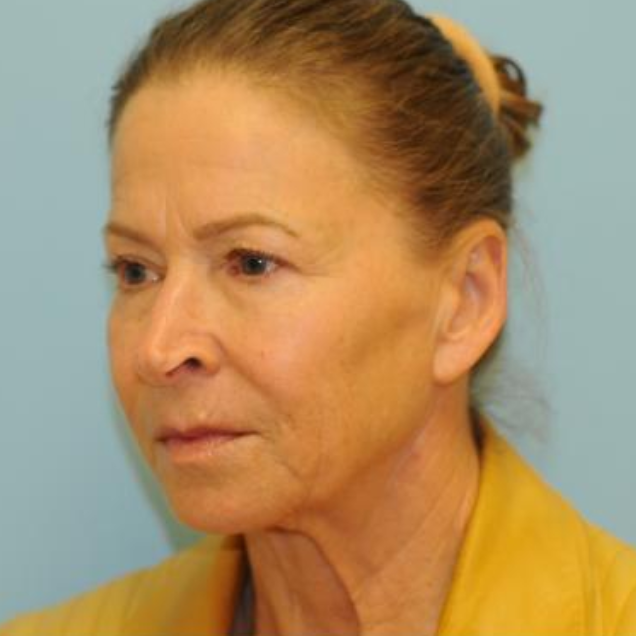
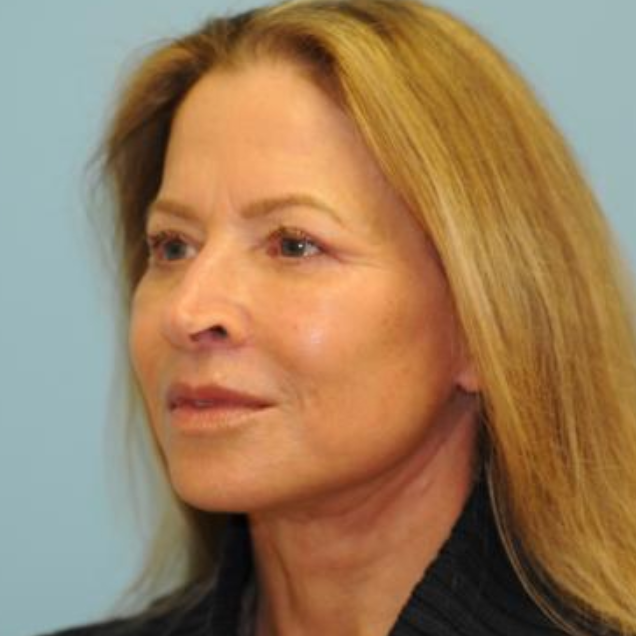
Kerry: Right. Right. Yeah. So, one thing that I think, again, is one of your specialties: how have facelifts changed through the years? Like, what did they used to be like? You know, with the Joan Rivers face. Like, tell me about, like, you know, now… I mean, you had this idea of what a facelift would look like back in the day, and the freaks that did that, and now it’s like, again, I mean, then you have the Kris Jenner, you know, all these people that look… it’s so much more natural. But so what’s changed?
Dr. Berlet: Well, you know, the techniques have evolved, and there’s some really creative people out there. Once again, you’re standing on their shoulders, and you take it to the next level, and you take your little talent, and so you can customize it. I can tell you that I don’t think there’s a single surgery that I do the way I was taught.
Kerry: Okay.
Dr. Berlet: Yeah, they’ve all evolved a lot. A lot.
Kerry: And is that learning on the job, or, like…
Dr. Berlet: Okay, I could say it, but it doesn’t sound encouraging. But if the job’s been for 30-plus years, you learn a lot, right? Yeah. And you just, yeah, you’re just trying… the big thing with anything we do is, like, sort of that balance between blood supply and beauty, and you are limited. So you have to know what those limitations are, and then when you know, and you feel safe about knowing the anatomy, and you’re comfortable where the nerves are, you’re comfortable where the vasculature comes from, then you can venture and tweak something a little bit one way or another.
Kerry: Mhm.
Dr. Berlet: And you say, “Well, I like the way that created that,” or “I like the way that created that.” And then you extend your dissection a little further, maybe a little closer to the nerve, and you’re a little more confident about it, because you know the anatomy a little better. And then you get a little bit better pull. You do the deep plane, you know, facelifts. That’s, you know, once again, that’s one of those procedures that was initially discussed 40 years ago, maybe more. And it was okay. Hey, it wasn’t a great result, but then it’s been modified. So then you sort of combine it with all those other things. And as you modify, once again, you’re standing on the shoulders of giants. These guys created the concept, then you can take it to the next level. Then, once again, knowledge, knowledge of the anatomy, knowledge of blood supply.
Kerry: Mhm.
Dr. Berlet: Super important.
Kerry: And now I hear from a lot of patients something that they like, is that you prescribe supplements for them to take before surgery. And so, we’re… and I know you’re a big supplement guy. But so, does it vary based on the person, based on the procedure? Do you just have, like, a standard protocol? Like, how do you…
Dr. Berlet: I believe that most of our problems come from deficiencies.
Kerry: Okay.
Dr. Berlet: So we’re deficient in this, deficient in that. Then you have to see what medications they’re on. Some of them thin the blood, some will do whatever, clot the blood. So you’ve got to be careful of all those different things. But one thing you can do is basically give the basic needs to everybody. You know, we all need a certain amount of protein. Sometimes that comes across as, you know, essential amino acids. You need essential fatty acids, you need the basic trace minerals. You get all that basic stuff done. Then you can do other things that make you feel good.
Kerry: Yeah. But so is this, like, pre-procedure, what you’re prescribing? Do you think that that helps with recovery?
Dr. Berlet: Well… oh, it definitely does.
Kerry: So, like, basically you ask what they’re already taking, and then if they’re not taking…
Dr. Berlet: Well, we actually take them off everything they’re on, and we put them on our own supplement, or vitamin, program that will optimize them, specifically for the surgery, for all kinds of things.
Kerry: Right. Right.
Dr. Berlet: And they’re getting more and more sophisticated. You know, I’m so intrigued with all the supplement, functional medicine things. Longevity, it is the way of the future. If you can feel good on the inside and look good on the outside, right? Perfect mix.
Kerry: Right. Right. Right. And I think, like, I mean, in this area, it’s now, I mean, I feel like it’s very common for people to at least be getting Botox. I mean, I don’t know. Do you think it’s become more common as the years have gone by? Like, did it used to be… I mean, and I don’t know if it’s just related to your practice, but it just seems like so many people are at least open to that.
Dr. Berlet: When I started, they didn’t have Botox.
Kerry: Oh, right. Well, I’m not saying Botox in particular.
Dr. Berlet: They didn’t have fillers. They didn’t have any of that stuff. So, like, it was all kinds of things. So there’s just more stuff we can do these days. Yeah. We were doing fat grafting, you know, 30 years ago, but fat grafting was…
Kerry: How were you doing it then?
Dr. Berlet: It was much coarser. You know, you would take a needle and put it someplace and suck it out, and then you injected it with a sharp needle. There were so many different ways, and it’s just gotten so much more refined. And then you can break it down. You can grade the different sizes. Then, if you’re really emulsifying, you can actually break it down into stem cells and exosomes, and then you’re getting the benefit of all those things to the skin, and even the underlying structures, that can help you heal. It’s all amazing.
Kerry: Interesting. And what would you say is your favorite surgery you’ve ever done?
Dr. Berlet: Favorite surgery?
Kerry: Like, I mean, I know you’ve done so many. Like, could you, like, think of one person who, like… and it could be reconstructive, cosmetic, like, one that you’re just so proud of.
Dr. Berlet: Well, I always say my best case is my last case.
Kerry: Right.
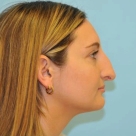
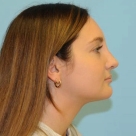
Dr. Berlet: So it’s the one that’s got all the culmination of all the years of experience, and I know everything I want to do to it, and I get excited. I’m excited about every surgery anyway, because the transformations can be totally crazy, right? You know, noses, I always had an early love for them, because they’re very structural, and they can affect your appearance more than anything else, because it’s very three-dimensional. You know, it’s like, it’s a three-dimensional thing. You get this big honker that’s pulling the whole face down. All of a sudden, you’re bringing it up like this, maybe adding a chin implant. So, now you’ve recreated a three-dimensional view of the face, and it can be so transformative and so amazing.
Kerry: Mhm.
Dr. Berlet: And not just transformative physically, but transformative mentally, right?
Kerry: Okay. Yeah. So amazing. Well, you didn’t give me anyone. Is it, maybe you can’t say who they are, but it’s, like, just in general, that procedure?
Dr. Berlet: That’s a very… well, I guess it’s a hip… never mind. I love rhinoplasty, and I just love doing them, because they are very transformative. And, once again, that’s a technique that has just been refined to the point where, you know, okay, I think many plastic surgeons are very fearful of noses, because, you know, you really need a few under your belt to get good at it. Okay. So sometimes they don’t get through that few without doing some damage. And then, you know, eyelid surgery can be the same. You pull on it a little, that can tug. You have to learn sort of how to manage these things as they go. It’s like tending a garden, like anything else. But it is super exciting, just the transformation. And I’m watching these ladies, I mean, every facelift now is just, holy cow. You just stand back. Is that possible? I just did that.
Kerry: Right. So good. What’s the oldest a person’s been who got a facelift?
Dr. Berlet: So, I had an 89-year-old lady, and she was dating a 60-some-year-old guy, and…
Kerry: Before or after the facelift?
Dr. Berlet: No, before the facelift.
Kerry: Wow.
Dr. Berlet: And then he found out that she was 89, and she was like, “Ooh, that can’t happen again.” So, she wanted that facelift, you know.
Kerry: And so, I mean… I was going to say, did she get the facelift and then want an upgrade and go younger?
Dr. Berlet: I don’t know where it went from there, but I can tell you she’s still alive.
Kerry: Okay.
Dr. Berlet: She’s like 97 right now.
Kerry: Wow. Well, that was money. She got her money’s worth.
Dr. Berlet: She’s smoking up, you know, Palm Beach or something like that. And she is loving her life. Yeah, she’s great.
Kerry: So, does she now lie about her age?
Dr. Berlet: I’m sure she does. It might have been an issue there when she was dating the 60-something.
Kerry: So, yeah. So, when he found out her age, was it, she was dating him, and he broke up with her when he found out the age, or…
Dr. Berlet: That’s what I heard.
Kerry: Oh, got it. Okay. All right.
Dr. Berlet: I think she wanted to go back into that pool.
Kerry: So, right. And what’s the youngest? And I know you don’t, I mean, just that you…
Dr. Berlet: I’m not a big believer in doing young facelifts. Typically, if I do a facelift on someone, they’re around 50, because that tends to be the point where you start losing ligamentous support and things start falling, never mind, you know, hollowing. So, you lose volume, and then you start losing ligamentous support around 50.
Kerry: Mhm.
Dr. Berlet: Some people handle 50 beautifully, and they look amazing. But that’s typically the, you know… I do a fair amount in their late 40s, maybe.
Kerry: Okay.
Dr. Berlet: Rarely do before that. The youngest I ever did was 34.
Kerry: Oh, wow.
Dr. Berlet: But that wasn’t for aging.
Kerry: Was it a weight loss thing, or…
Dr. Berlet: Well, she had, like, chipmunk cheeks, and she just wanted to change the shape of her face.
Kerry: Oh, I…
Dr. Berlet: And so that was all about, you know, just moving the stuff up into position. So it was more… sitting higher gave her more of a heart-shaped face than a chipmunk.
Kerry: Okay.
Dr. Berlet: So it was purely something different. And she fought with me for that for a year, right? And she broke me down. Finally, I was allowed to do such a thing.
Kerry: So now, in terms of seasons and procedures, of when to do them, and I’m sure, I know, obviously, technically it shouldn’t matter, but is there a best time of year, you know, for facelift versus tummy tuck versus, you know, breast reduction?
Dr. Berlet: No. Yeah, that’s a common question. You know, I operate, obviously, 52 weeks a year, right? Doesn’t change, and my consistency is pretty much the same.
Kerry: Okay.
Dr. Berlet: I mean, everybody has different plans. Some people are going to Florida, they’re doing this, they want to do that. Some people are teachers, they want to do it during the summer. So, you have to be careful of the sun. You can’t be, you know, if you’re going to bask in the sun, you probably should never get anything done. But if you need to do that at a specific time, you’re not going to do it during that time. Okay? But if you give yourself a few months to recover, you can do anything you want. And everybody’s different, but it’s not debilitating to the point where you can’t do it any time of the year, right? So, I don’t think there’s really a specific time. And the sooner you do it, the sooner you get to enjoy it.
Kerry: Got it. And speaking of the sun, what do you think, just in life, is the worst factor that ages someone?
Dr. Berlet: Well, I think that’s pretty commonly smoking. I think the worst: smoking, alcohol. We all do it, but it is horrendous. You know, it really ages you.
Kerry: Smoking. Do you think someone who doesn’t drink, like, you can see a difference in how they age versus a person who drinks?
Dr. Berlet: No question.
Kerry: Okay. Wow.
Dr. Berlet: No question.
Kerry: Interesting.
Dr. Berlet: Maybe that’s why. If your body is spending all its time, you know, trying to recover from alcohol, it doesn’t have time to really regenerate the things you need to keep you looking…
Kerry: Okay. Spry. Interesting. And then, in terms of weddings, what do you think, like, in terms of the wedding party… I mean, a lot of people, I know that’s when people go into crazy mode, right? And it’s all about preparing for the wedding. Like, who in the wedding party do you think comes in the most frequently? Because I know you often have patients coming in that are planning for specific events, like they want to look good for this specific event, for the pictures for that event.
Dr. Berlet: Well, as you know, I’ve been invited to a few weddings where basically I have done, you know, the bride, the mother of the bride, the mother of the groom, half the bridal party, if not all the bridal party. And, you know, it’s insanity. But yeah, I think that, you know, there’s a little thing going on between the groom’s mother and the bride’s mother.
Kerry: Sure.
Dr. Berlet: They just want… they’re looking good for their wedding. They think about that way in advance, usually, you know, a year in advance, and they want to time it out and say, how close can I get, or, right, can I get in before I need to get it done? And it’s all a bunch of factors.
Kerry: So, and is it about, they want to look younger, skinnier, or, like, both?
Dr. Berlet: They want to be optimized. They want to be optimized. They want to be optimized. They don’t want to look bad next to, you know… the bride wants to fit in her dress, right? The bride’s mother wants to fit in a dress. You know, there’s a lot of that. So you’re doing a little liposuction here and there, blah blah blah. Right. You know, I had a woman who had had a facelift, but it looked terrible. It was a terrible result, and she had five weeks left to her marriage.
Kerry: Okay.
Dr. Berlet: And so I ended up…
Kerry: And it was not by you. It wasn’t you who did the facelift, right?
Dr. Berlet: Okay. Someone had given her a bad one. And so literally I did it on a Saturday. I mean, she just came in. All right, I’ll do it on a Saturday. She had five weeks before the wedding, and her wedding pictures were awesome. So, you know, it worked out.
Kerry: Okay. It worked out. I mean, that’s pushing it close, but it totally worked out for her.
Dr. Berlet: She was so happy.
Kerry: Okay. Then the last thing I want to talk about, like, the non-invasive, you know, procedures. Like, there’s constantly, you know, stuff coming out. Which ones do you think are worthy of spending the money, you know, on these, like, various, you know, lasers and things people are doing?
Dr. Berlet: That’s a hard call. You know, I think that there’s some really modest recoveries that are always great. Also, not too expensive. I don’t do laser resurfacing myself. I did it back in the day, but it’s just a lot involved, and you have to stay on top of it. So, I refer all that out. I let them decide.
Kerry: Yeah.
Dr. Berlet: But if that’s worth it to them, right? I think non-invasive, if you include fillers… I’m not a huge fan of fillers. I love fat grafting. I think that’s a great substitute. I will use fillers here and there, especially maybe in the marionette lines, but short of that, I’m like, I just jump back a little bit. I don’t like fillers in the lips. I think they tend to look ridiculous half the time.
Kerry: And so for the lips, what do you prefer?
Dr. Berlet: Well, I mean, if you have your own tissue, you can use that. That’s great. During a facelift, I’ll take a thread of the deep tissue here, and I’ll thread it into the lips.
Kerry: What about if someone’s not having a facelift?
Dr. Berlet: I’ll do fat grafting. And then I think one of the greatest procedures, that I was not fond of early on, but as it got modified and you can bring it around the nostrils, was a lip lift.
Kerry: Okay?
Dr. Berlet: And it just rolls the lip up in such a nice way. And you can do that with a facelift, without a facelift, and…
Kerry: Okay.
Dr. Berlet: And that could be pretty amazing, because as we get older, the lip gets longer.
Kerry: Okay?
Dr. Berlet: And so sometimes when you do a facelift and you don’t do that, it’s like, “Wow, something’s missing.” You know, something’s wrong.
Kerry: Okay.
Dr. Berlet: But you have to measure where their teeth are. You know, some people have really long teeth, or they’re too gummy, and if you bring it up, it’s…
Kerry: What’s a sign that you need a lip lift? What’s a sign? Yeah. Like, how do you determine…
Dr. Berlet: As we age, you know, it gets longer and longer, and loses volume, and as it does that, it starts falling in. It’s a classic, you know… it’s a classic cartoon, you know. So the idea is to shorten it and roll it up and maybe give it some volume. The combination is really impressive.
Kerry: Okay. And what percentage of patients would you say are men?
Dr. Berlet: About 20%.
Kerry: 20%. Okay.
Dr. Berlet: About 20%.
Kerry: Okay. And talk about, I would love to get this guy on… talk about the guy who got the tummy tuck so he could do more construction work.
Dr. Berlet: It’s amazing. This guy comes in. He’s a Polish guy, you know, hardworking construction worker. Polish guy, you know, very broken, right, English, and one of the least suspecting people you’d ever have of even getting anything done.
Kerry: Uh-huh.
Dr. Berlet: And he had a little bit of the belly going. He had a roll at the bottom, you know. And so, like I said, it got in his way.
Kerry: Okay.
Dr. Berlet: And so he wanted a tummy tuck to just continue his work.
Kerry: So then could his insurance cover that, or is that like…
Dr. Berlet: It’s tough to get insurance to pay for anything, right?
Kerry: Right. Insurance. I mean, yeah, probably unlikely. So then did you see, like, I mean…
Dr. Berlet: Oh, he looked amazing.
Kerry: Oh, good.
Dr. Berlet: Yeah, he was great.
Kerry: Was he maybe just using that as an excuse, and he just really wanted a tummy tuck?
Dr. Berlet: Maybe he just did not have that, you know. He wasn’t one of these guys, you know, who goes out after work and…
Kerry: Right.
Dr. Berlet: It didn’t seem like he was a guy who goes home and has a few beers and whatever. But yeah.
Kerry: So, and so with the male tummy tuck, so is it any different than the female tummy tuck in terms of what you’re… well, male, and do you do a lot of those?
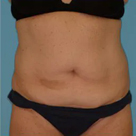
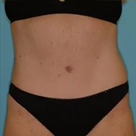
Dr. Berlet: No.
Kerry: Okay.
Dr. Berlet: No, not a lot. There are some, but…
Kerry: Okay.
Dr. Berlet: I just had a gentleman come in last week. And he had told me that… I didn’t recognize him, to be honest with you. And then it kind of came to me after he left, but he had had a whole body lift, and it looked great. I’m like, “Holy crap, I’m pretty good.”
Kerry: Well, you had done it.
Dr. Berlet: I did it. Yeah, I did it. And then he’s back for more, like, “Well, you know, now that I’ve gone through this, I went through that.” I’m like, “Hey, can I go?” And he’s like… “Whoa, easy, cowboy. You don’t need that much. You look pretty good,” right? But, right, you never know.
Kerry: And so with the men, do you still do the Berlet button?
Dr. Berlet: Yeah.
Kerry: Okay.
Dr. Berlet: Of course.
Kerry: Cool.
Dr. Berlet: You’ve got to get a hooded belly button.
Kerry: But is there any difference in terms of, like, the muscles?
Dr. Berlet: A lot of men have hair on their bodies, so it covers everything anyway. So…
Kerry: Oh, I see.
Dr. Berlet: You know, so it’s a little bit different.
Kerry: So less of an issue with scarring?
Dr. Berlet: Or, you repair the muscles on those who need it, you know, which is most people. But, you know, obviously women who’ve had babies, you know, we had that, right, gravid uterus pushing out for months and months. It rips the muscles apart, and they get attenuated, and they just never come back quite the same way.
Kerry: Mhm.
Dr. Berlet: So, you get those muscles tightened. It’s pretty impressive.
Kerry: Well, so I think I did enough grilling of my husband, Dr. Berlet. I hope you enjoyed this episode of Once Upon a Surgery. Got a little, you know, bit of information from the doctor, some stories about his history and patients, and I hope you found it educational and informative. And I just want to say cheers to you, Dr. Berlet, my husband, Tony.
Dr. Berlet: Thank you.
Kerry: You’re a super impressive person. And, you know, keep him in mind if you have any friends, or you yourself, you know, are considering work, and you’re in the, you know, tri-state area. But I also want to end this episode… if you know anything about Tony, he, you know, he likes his sweets. He tries not to eat them, but, you know, he’s constantly trying to eat the set, and I get so mad. But, so now that you’re the official guest on the show, you’re allowed to have a cookie this time.
Dr. Berlet: I’m taking it. Thank you very much.
Kerry: Thank you for tuning in. I hope you enjoyed this episode of Once Upon a Surgery. Don’t forget to click subscribe, write comments, and I’d love to hear about more stories that you’re interested in. See you next time.
Ready to start your own story?
Meet with Dr. Anthony Berlet to talk through your goals and options.
Request a Consultation (332) 232-5630