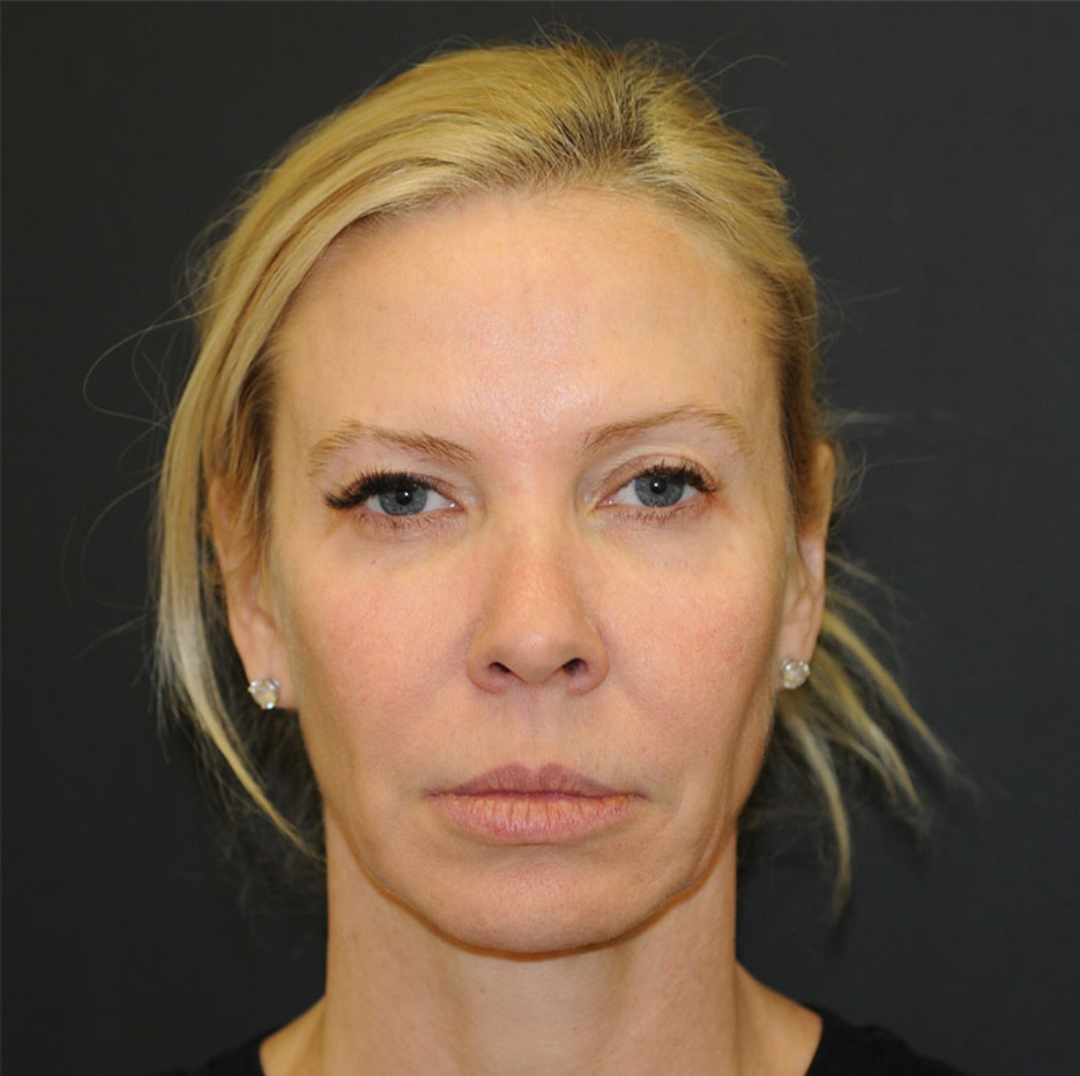
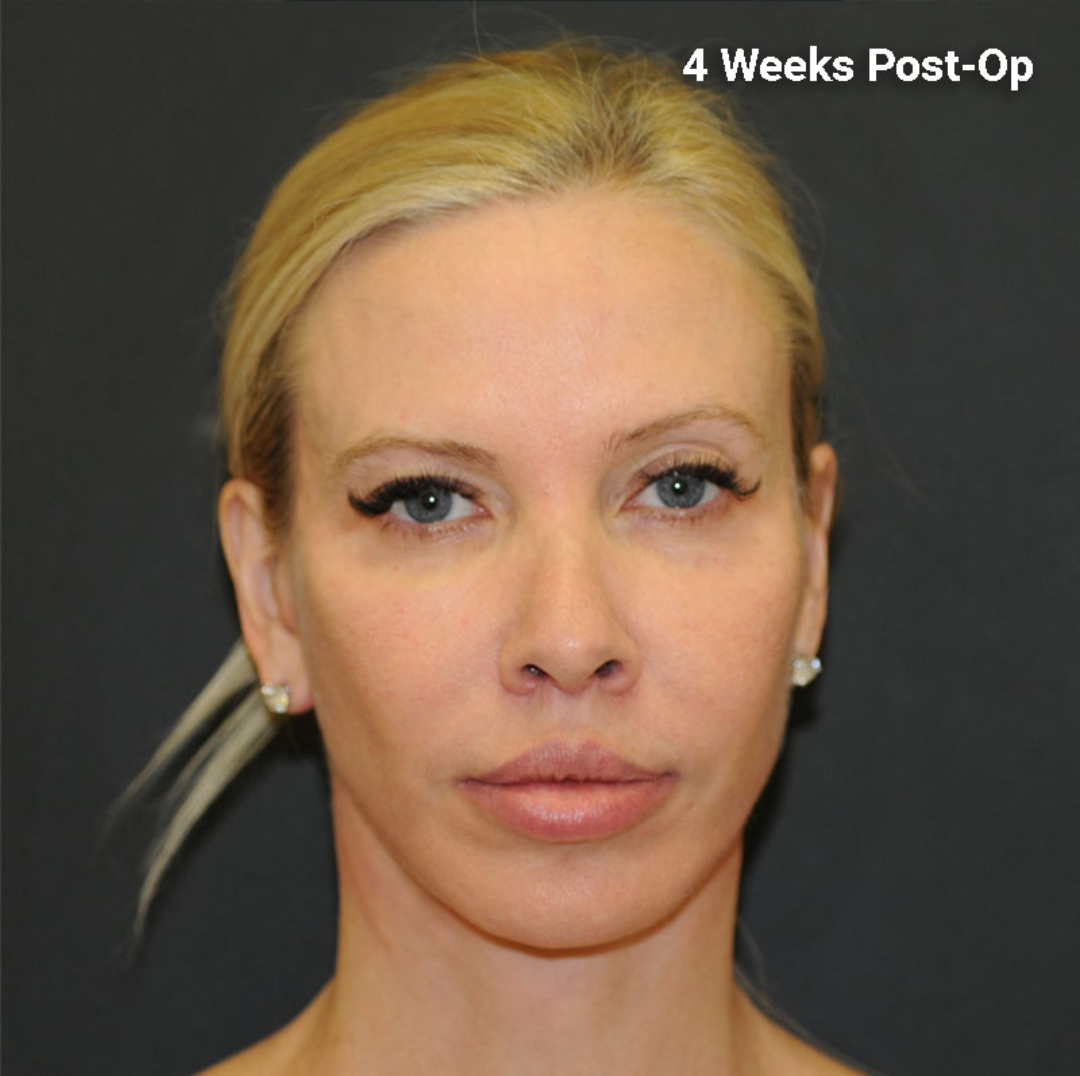
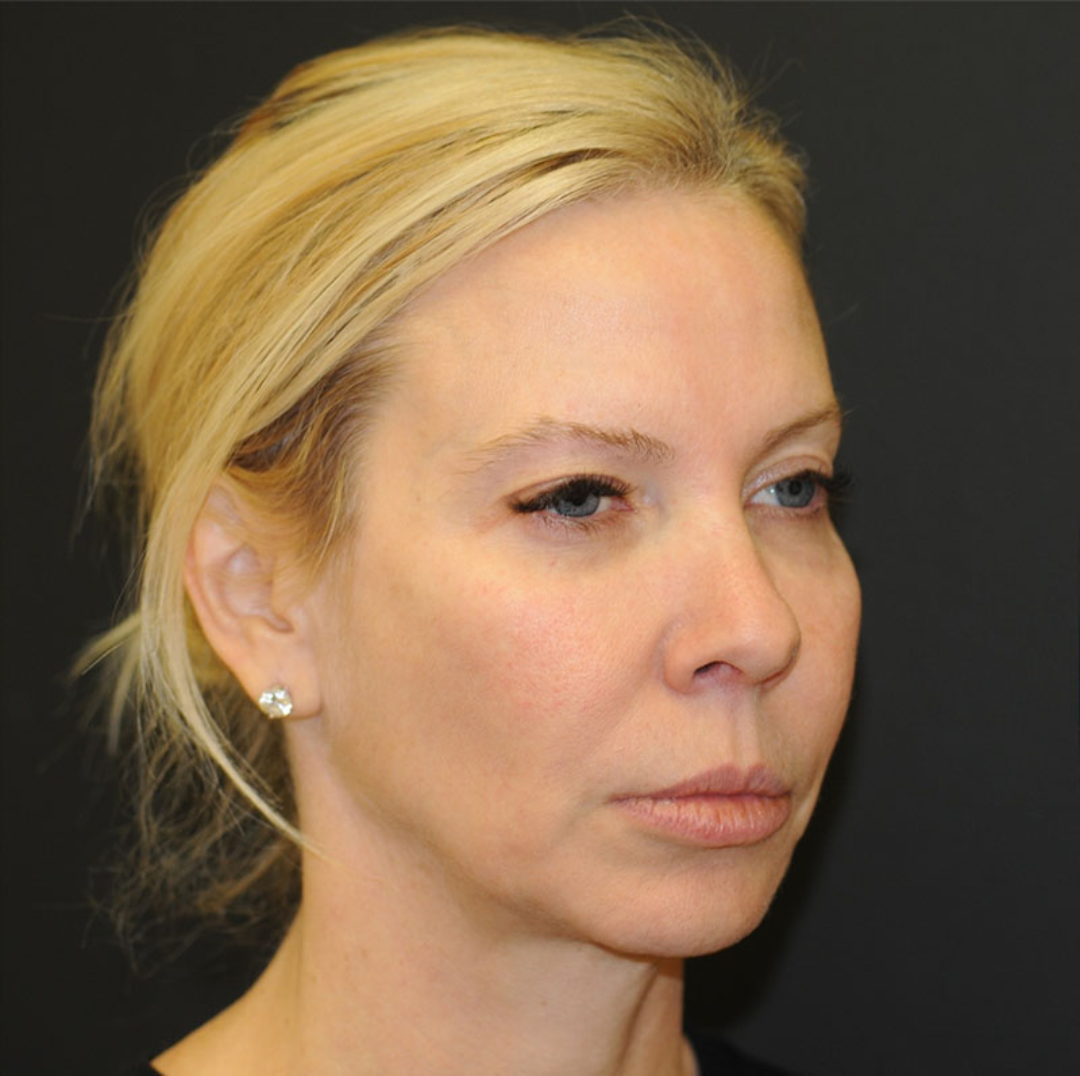
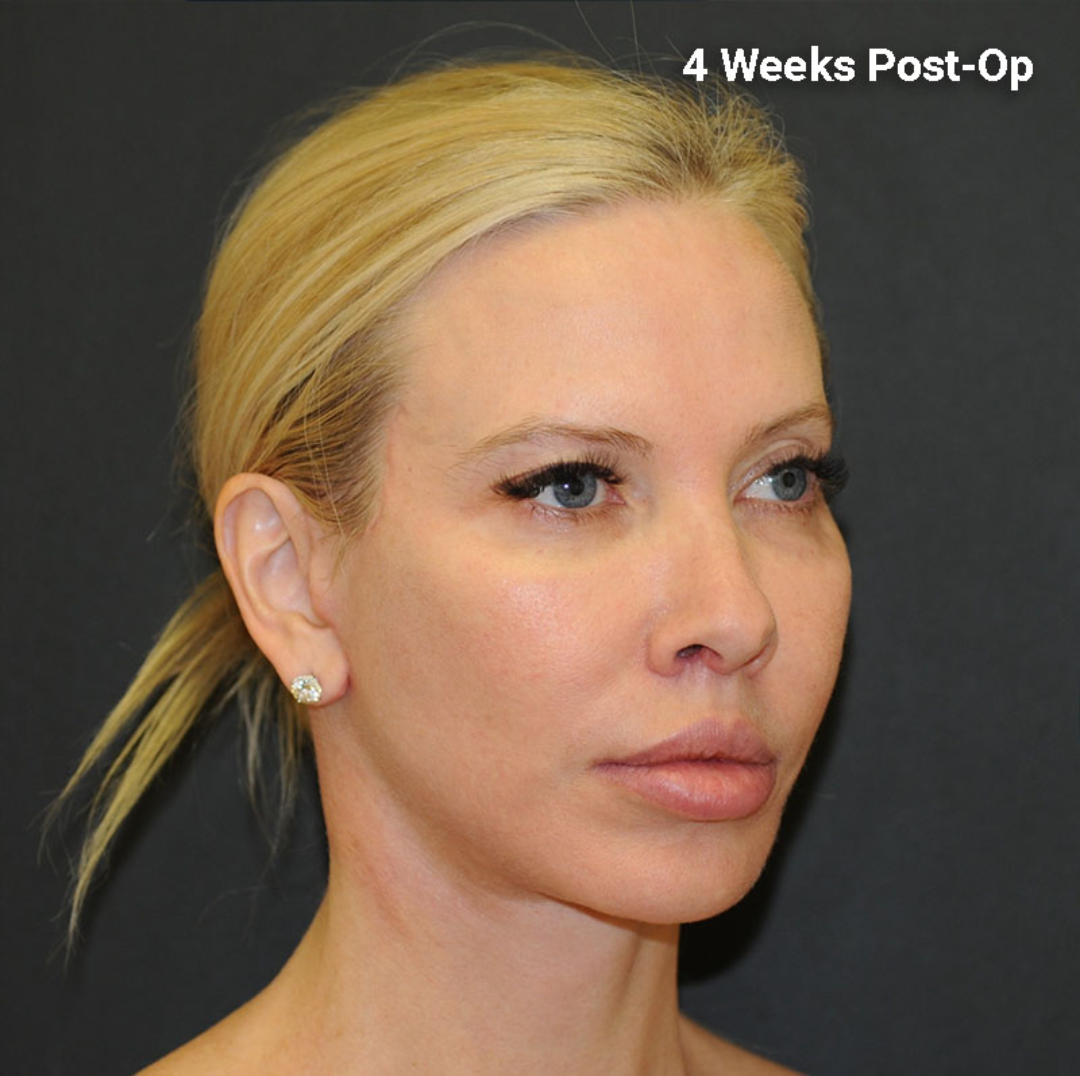


Deep Plane Facelift
Consultations offered at our three convenient locations in Manhattan, NY, Southampton, NY and Cedar Grove, NJ

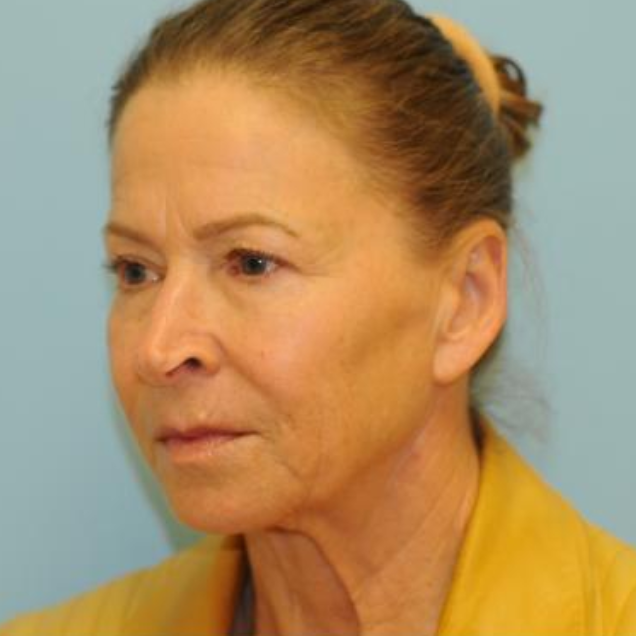
A deep plane facelift is an advanced facial rejuvenation procedure designed to elevate and reposition deep structural tissues of the face. Rather than relying on skin tension alone, this technique works beneath the superficial musculoaponeurotic system (SMAS) to lift descended tissues. By addressing aging at a foundational level, a deep plane facelift restores natural-looking definition to the cheeks, jawline, and lower face while preserving facial harmony.
At Berlet Plastic Surgery in Manhattan, New York, board-certified plastic surgeon Dr. Anthony Berlet performs a deep plane facelift for patients seeking to restore their youthful, natural appearance. With more than 30 years of experience, Dr. Berlet holds a reputation for his surgical excellence and compassionate care, tailoring every procedure to each individual’s unique anatomy to achieve youthful, harmonious, and natural-looking results.
To discover more about the benefits of a deep plane facelift, schedule your consultation online or call the office most convenient for you:
- Manhattan, New York: (332) 232-5630
- Cedar Grove, New Jersey: (973) 857-7757
Contents
About Deep Plane Facelift
The facelift is one of the most widely performed cosmetic procedures in the United States and continues to grow in popularity. The deep plane facelift, in particular, has gained significant attention for its advanced, modern approach. Rather than simply tightening the skin, this technique repositions the underlying muscle and fat layers as a single unit. By addressing structural changes at a deeper level, it corrects severe sagging and delivers youthful, natural-looking results without a tight or “windblown” appearance. (1)
How Facial Aging Affects Deeper Tissues
The face is often one of the first areas to show visible signs of aging because it is constantly exposed to the sun and other environmental stressors that break down collagen and elastin. While we see these changes on the skin’s surface, true aging actually begins beneath the surface, where muscles, fat, and bone support your face. (1) As we get older, this deeper structural support weakens and gradually descends due to gravity, taking soft tissue with it. This leads to concerns like jowls, a sagging neck, and a fading jawline.
To understand why the deep plane facelift is so effective, it helps to consider how facial skin relies on its underlying structures. Rather than treating only the surface skin, this technique repositions the deeper supporting layers. The key layers and their roles in aging include: (1)
- Skin (Outermost Layer): Although wrinkles and excess skin are the most visible signs of aging, they often reflect structural changes occurring beneath the skin’s surface. Because skin laxity is only one component of facial deflation and sagging, addressing only the top layer of skin cannot fully restore definition.
- SMAS & Platysma (Deep Support Layer): Beneath the skin and surface fat, the SMAS connects the facial muscles to surrounding soft tissues, while the platysma supports the neck. Together, they function like a tight, internal hammock supporting your cheeks, jawline, and neck. When this layer stretches and descends over time, it pulls the attached fat pads and skin with it, creating visible jowls and loose neck bands.
- Deeper Facial Structures: Beneath the SMAS layer lie deeper anatomical structures, consisting of deep fat compartments, retaining ligaments, and facial bones. These structures influence facial contour and shape and naturally shrink or weaken with age. As this deep foundational volume disappears and the retaining ligaments stretch, the overlying soft tissues lose their support and collapse inward and downward.
What Makes the Deep Plane Facelift Different from Traditional Approaches?
While various facelift techniques aim to improve similar aging concerns, they differ greatly in how they address the underlying support layer. Traditional facelifts typically pull the surface skin or lift the skin and muscle separately, which can create an artificial or windblown look.
In contrast, a deep plane facelift works underneath the face’s deep support layer, known as the SMAS, to mobilize and reposition the deeper tissues and skin so they move as one unified layer. Releasing the tight natural ligaments that hold these deep tissues down allows Dr. Berlet to freely lift them back to their youthful positions. This structural approach lets Dr. Berlet effectively elevate descended tissues while the skin rests naturally over newly restored contours. (2)
Benefits
A deep plane facelift performed by Dr. Berlet delivers numerous benefits, including: (3)
- Natural-Looking Results: Lifting the SMAS and tissue layers together as a single unit helps preserve natural facial expressions and avoid an artificial-looking result.
- Midface and Cheek Rejuvenation: Elevates and repositions descended cheek pads to naturally restore volume and a youthful midface appearance.
- Jowl Elimination and Defined Jawline: Dr. Berlet releases tight ligaments to lift sagging jowls smoothly and sculpt a sharp, clean jawline.
- Long-Lasting Results: Results can last more than a decade because the structural adjustments occur deep within the facial tissues.
- Minimal Scarring and Skin Tension: Shifting and lifting the deeper layers reduces skin tension, supporting cleaner healing and finer, less visible scars.
- Comprehensive Rejuvenation: The deep plane technique treats aging across the cheeks, jawline, and neck in one procedure for a balanced and harmonious outcome.
Candidates
Candidacy for a deep plane facelift depends on various factors, including the extent of aging, overall health, aesthetic goals, and lifestyle. This procedure can deliver long-lasting structural restoration for individuals with more pronounced facial laxity. You may be an ideal candidate if you:
- Feel bothered by visible signs of aging, including jowls, sagging skin, and deep facial folds.
- Seek comprehensive rejuvenation of the lower face and neck.
- Are in good overall health and do not smoke.
- Maintain realistic expectations about possible results and recovery.
Dr. Berlet will determine during a personal consultation whether you are an ideal candidate for a deep plane facelift.
Personal Consultation
During your personal consultation with Dr. Berlet, he will get to know you, and you will discuss your aesthetic goals and review your medical history together. He will then perform a comprehensive physical examination of your face to assess your jawline, neck, skin elasticity, and underlying facial bone structure. Based on this evaluation, Dr. Berlet will provide you with a personalized treatment plan with all the information you need for a successful procedure. To set realistic expectations, he will outline critical procedure details, including recovery timeframes, results, potential risks, and pricing, and address any questions or concerns you may have.
To learn more about whether a deep plane facelift is right for you, schedule a consultation online with Dr. Berlet or call the office most convenient for you:
- Manhattan, New York: (332) 232-5630
- Cedar Grove, New Jersey: (973) 857-7757
Preparation
Once you and Dr. Berlet finalize your treatment plan, he will provide clear, detailed preoperative instructions tailored to your health profile, which typically include:
- When medically appropriate, temporarily avoid taking medications with blood-thinning properties like aspirin or ibuprofen before surgery.
- Arrange for a trusted adult to drive you home from your procedure and assist you during early recovery.
- Avoid alcohol and stop using all nicotine products in the weeks leading up to your procedure and throughout your recovery.
- Prepare a comfortable recovery space at home with everything you need for smooth healing.
Following Dr. Berlet’s preoperative instructions closely will support the safety and success of your deep plane facelift.
Procedure
Dr. Berlet customizes each deep plane facelift to the patient’s specific facial anatomy, degree of aging, and aesthetic goals. During the procedure, he works beneath the SMAS to release and reposition deeper facial tissues, then redrapes the skin over the restored contours.
Accessing the Deep Plane
Dr. Berlet begins by making an incision hidden along the hairline and around the natural contours of the ears so the scar heals discreetly. He carefully lifts and separates a thin layer of skin from the underlying fat and muscle to expose the SMAS layer. He then makes a precise incision directly through the SMAS layer, typically from the cheekbone down toward the jaw. (2) This gives Dr. Berlet a strategic entry point beneath the SMAS into the “deep plane” space. Targeting the deep plane provides access to the structural attachments that influence facial tissue position and mobility.
Releasing and Repositioning the Facial Tissues
Once inside the deep plane, Dr. Berlet releases the dense, anchor-like ligaments that lock the facial tissues to the underlying bone. With those restrictive ligaments released, Dr. Berlet lifts the muscle, fat, and skin as one unit. This naturally restores youthful volume to deflated cheeks and smooths out the jawline without making the skin appear artificially pulled back. Finally, Dr. Berlet firmly anchors this deep support layer in its new, higher position. (3)
Redraping the Skin and Closing the Incisions
After Dr. Berlet repositions and secures the deeper tissues, he gently redrapes the skin over the new contours without excessive tension. Dr. Berlet can then conservatively remove any excess skin before carefully closing the incisions.
Recovery and Results
Every patient’s healing experience is unique, and recovery timelines vary depending on their age, skin elasticity, overall health, and the specific treatment approach. Following Dr. Berlet’s postoperative instructions during your recovery process is key to supporting proper healing and achieving the best possible facelift results.
During the initial healing phase, you will need to take time off from work, avoid strenuous activities like exercise, and attend your follow-up appointments as scheduled to ensure your facelift recovery is progressing as expected. Swelling, bruising, and discomfort typically peak during the first week of healing, but you can manage them with pain medication and proper care. You must keep your head elevated at a 30-to-45-degree angle to help ease discomfort and minimize swelling. With Dr. Berlet’s approval, most patients can expect to begin easing back into light routines around the two-week mark, although healing will continue beyond this initial recovery period. (2)
Early on, fluid retention and swelling mask the results of the deep lift. But over the following three to six months, the newly repositioned tissue layers will settle securely into place through a natural internal healing process called fibrosis. As the internal tissues soften and deep swelling resolves, the final, sharp definition of the jawline and cheeks will become increasingly visible. Once this internal healing is complete and the swelling fully dissipates, you will be able to see the sharp, natural-looking definition along the cheeks, jawline, and neck reveal itself.
Corresponding Procedures
To achieve more comprehensive results, Dr. Berlet offers several related procedures that he can perform with your deep plane facelift, such as:
- Blepharoplasty (Eyelid Lift): Removes and repositions excess skin and fat from the eyelids to diminish droopy lids or under-eye bags for a rejuvenated appearance.
- Brow Lift: Elevates sagging eyebrows and smooths the forehead to restore a youthful, natural balance to the upper face.
- Chin Implants: Adds projection to the chin to enhance jawline definition for individuals with a weak chin.
- Lip Lift: Shortens the space beneath the nose and rolls the upper lip upward to restore a fuller, more youthful-looking upper lip.
During your personal consultation, you can explore these options and receive Dr. Berlet’s expert recommendation.
Cost of Deep Plane Facelifts in Manhattan, New York
The total cost of your deep plane facelift will depend on several factors, including the time required to perform the procedure, the technique chosen, the anesthesia used, the scope of treatment, and more. During your consultation, Dr. Berlet will provide a comprehensive price quote that accurately reflects your treatment plan.
For questions about payment options, please contact us online or call us at the office most convenient for you:
- Manhattan, New York: (332) 232-5630
- Cedar Grove, New Jersey: (973) 857-7757
FAQ
Will I still look like myself after a deep plane facelift?
Yes, you will still look like yourself after a deep plane facelift. Instead of pulling skin horizontally, this procedure lifts the deeper fat and facial muscle layers vertically, restoring them to where they were when you were younger. Because Dr. Berlet repositions these underlying structures as a single unit, the skin rests softly and naturally over your refreshed contours without resulting in a tight or artificial look. Dr. Berlet’s goal is not to reinvent your face, but rather to refresh and refine your natural features.
What is the difference between a deep plane facelift and a traditional (SMAS) facelift?
A traditional SMAS facelift works closer to the skin’s surface by separating tissue and pulling the underlying muscle layer sideways. In contrast, a deep plane facelift releases key facial ligaments to reposition the underlying muscle, fat, and skin together as a single unit. It lifts and repositions these structural layers vertically, which can provide a better lift in the cheeks, a more natural look, and longer-lasting results than a SMAS lift. <a href=”#references”><sup>(2)</sup></a>
How long will the results of my deep plane facelift last?
The results of your deep plane facelift can last between 10 and 15 years. Repositioning and anchoring the deeper muscle and fat layers together without skin tension helps the results resist gravity longer than traditional lifts. However, how long results last depends on individual factors like genetics, skin quality, stable weight, and lifestyle habits such as smoking and sun exposure. Even as time passes, you will continue to age naturally from a significantly more youthful-looking baseline. <a href=”#references”><sup>(3)</sup></a>
References
- Swift A, Liew S, Weinkle S, Garcia JK, Silberberg MB. The Facial Aging Process from the “Inside Out.” Aesthetic Surgery Journal. 2020;41(10). doi:10.1093/asj/sjaa339
- Raggio BS, Patel BC. Deep Plane Facelift. PubMed. 2021. Accessed October 26, 2026. https://www.ncbi.nlm.nih.gov/books/NBK545277/
- Levin M, Frankel A. Thirty Years of Deep Plane Facelifts: Characterizing Outcomes and Longevity. Facial Plastic Surgery & Aesthetic Medicine. 2026;28(5):482-487. doi:10.1177/26893614261422044
About Dr. Anthony Berlet
Plastic Surgeon · Berlet Plastic Surgery
- Board certification
- NPI
- 1184691594
- Offices
- New York · Cedar Grove · Southampton